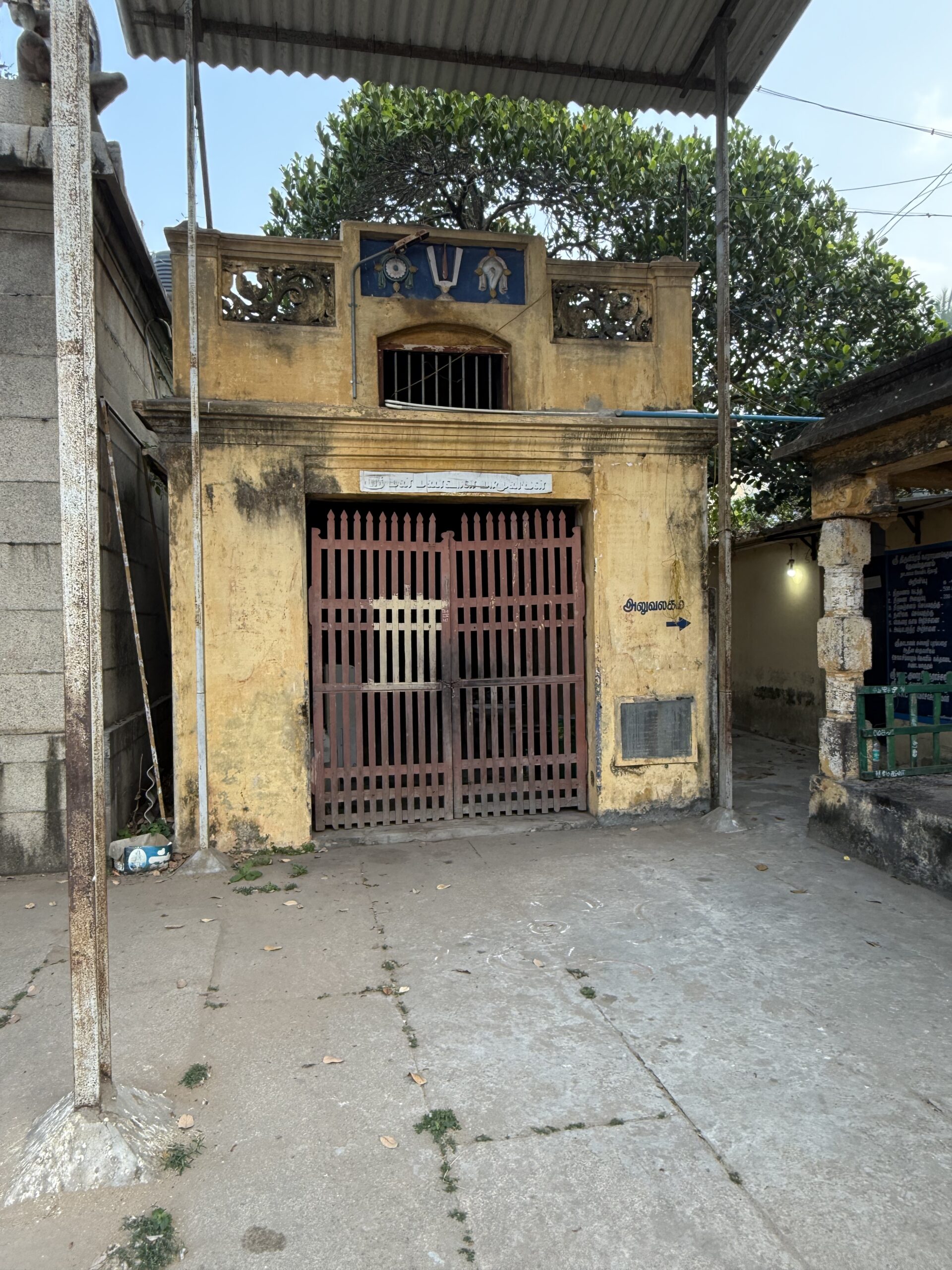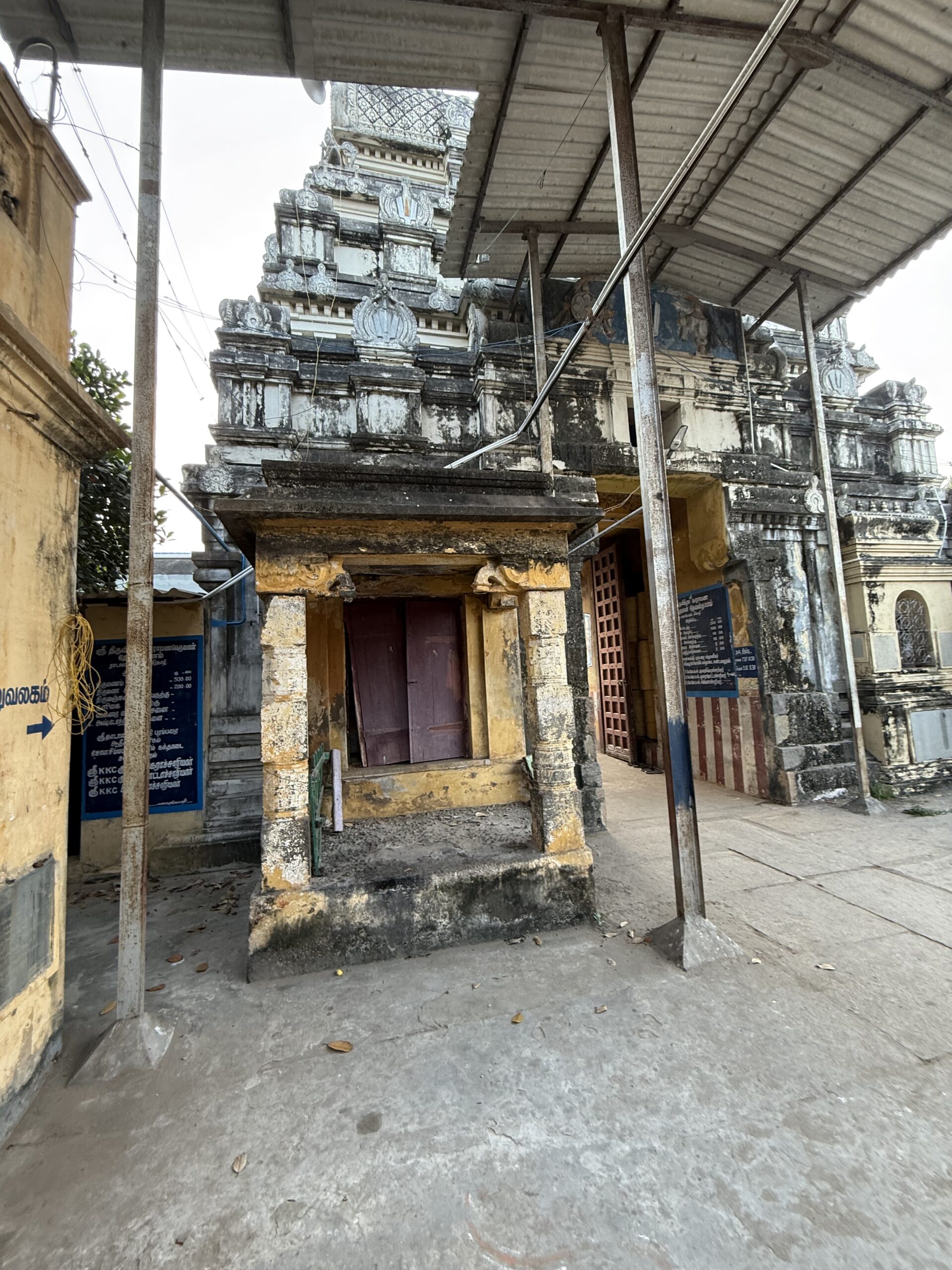
Preserving Sacred Heritage
Revitalize Kāzhīsīrama Viṇṇagaram
Join us in our mission to restore this sacred divyadesam, a cornerstone of Vaiṣṇava spiritual heritage, and ensure its legacy for future generations.
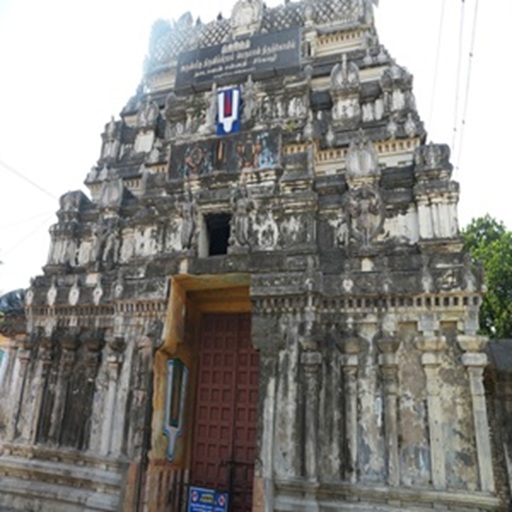
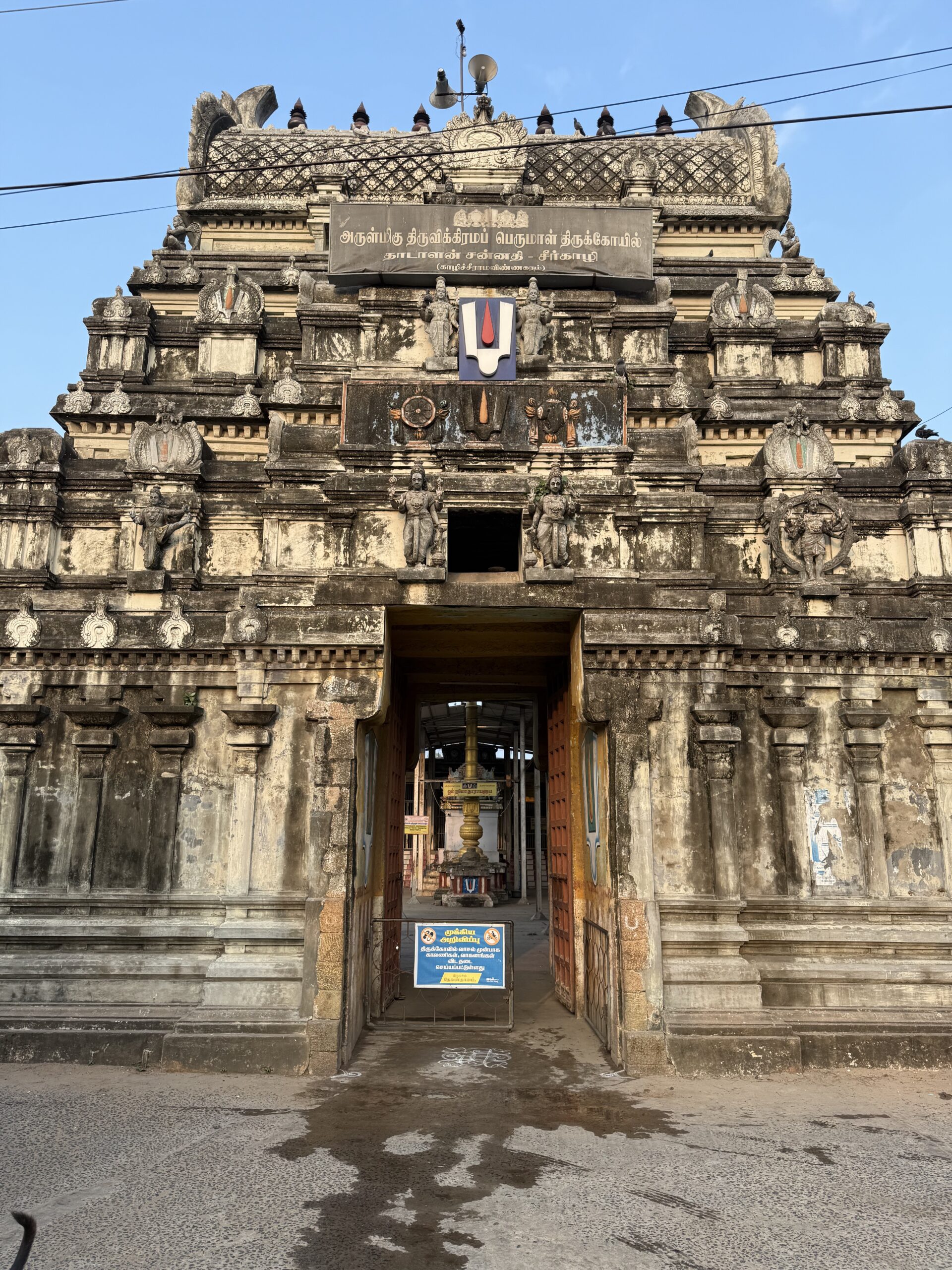
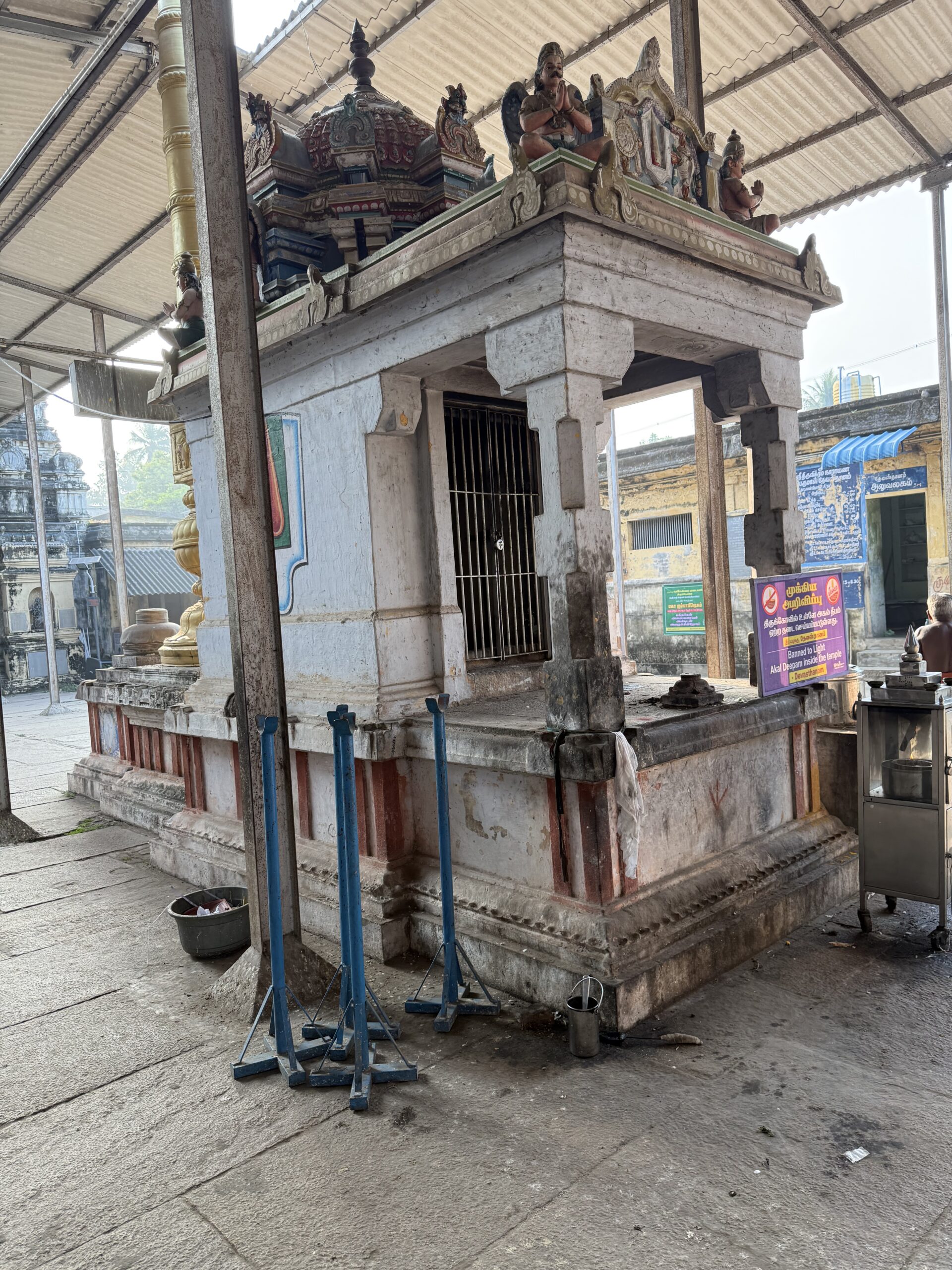
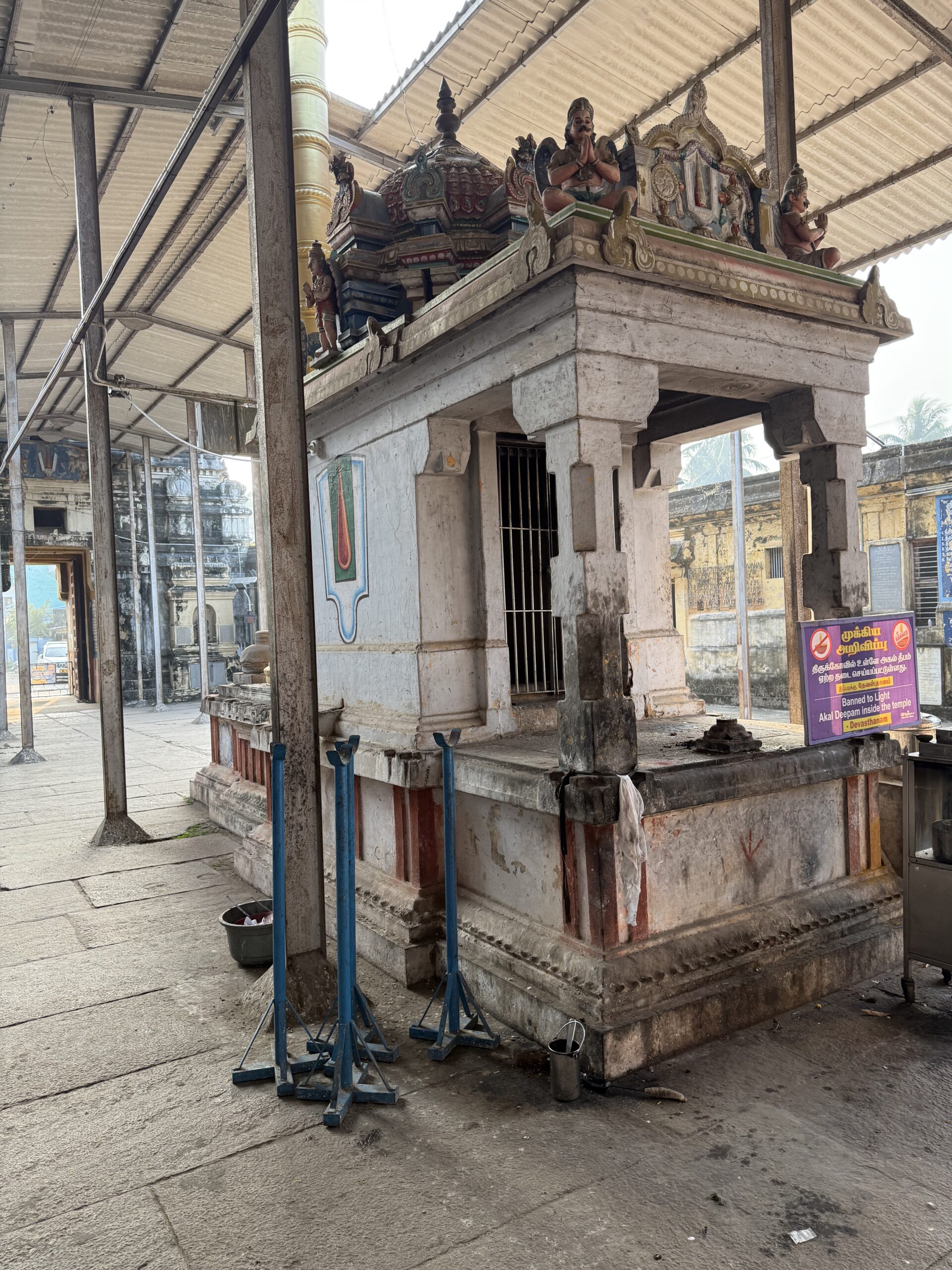
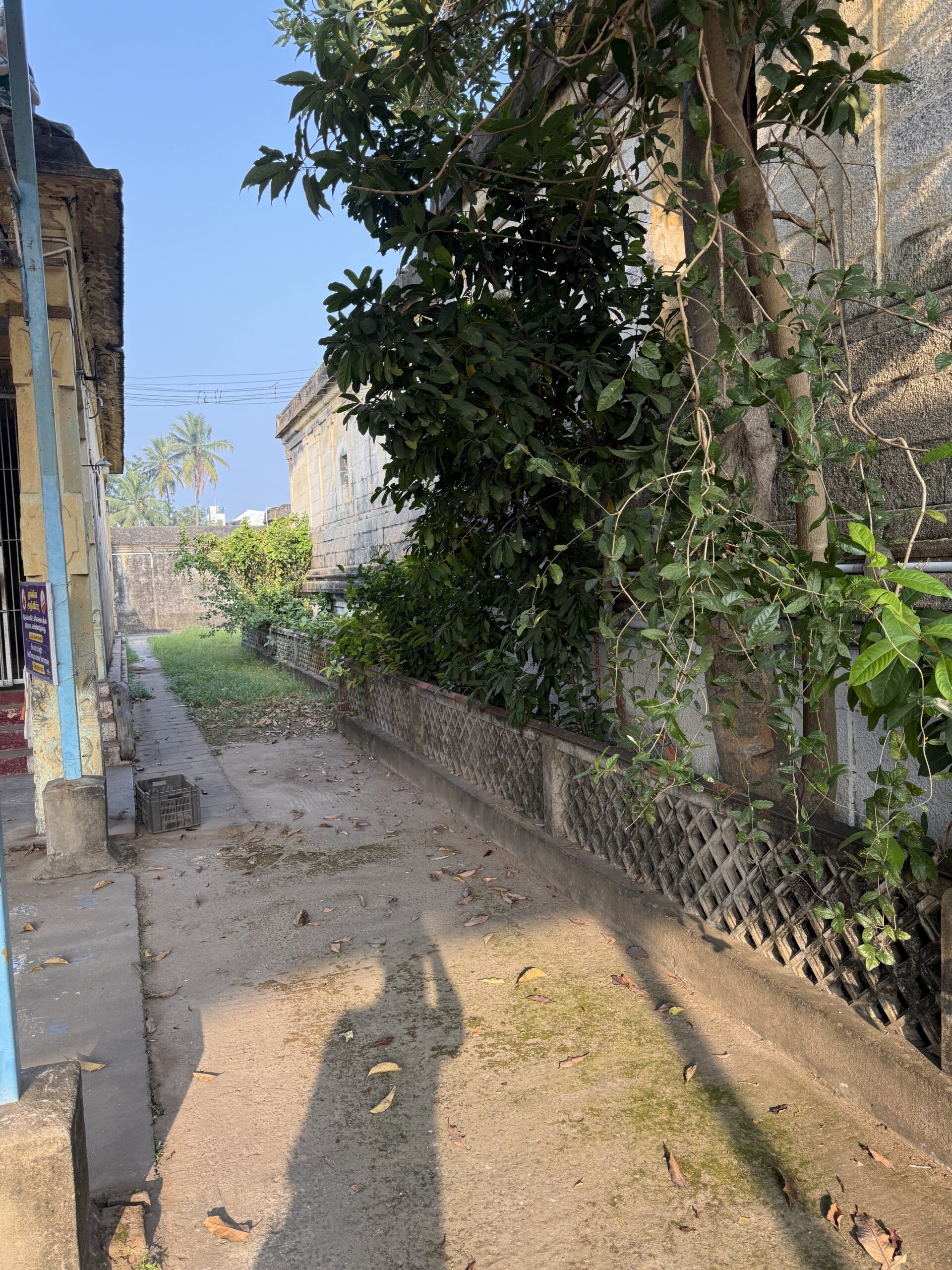
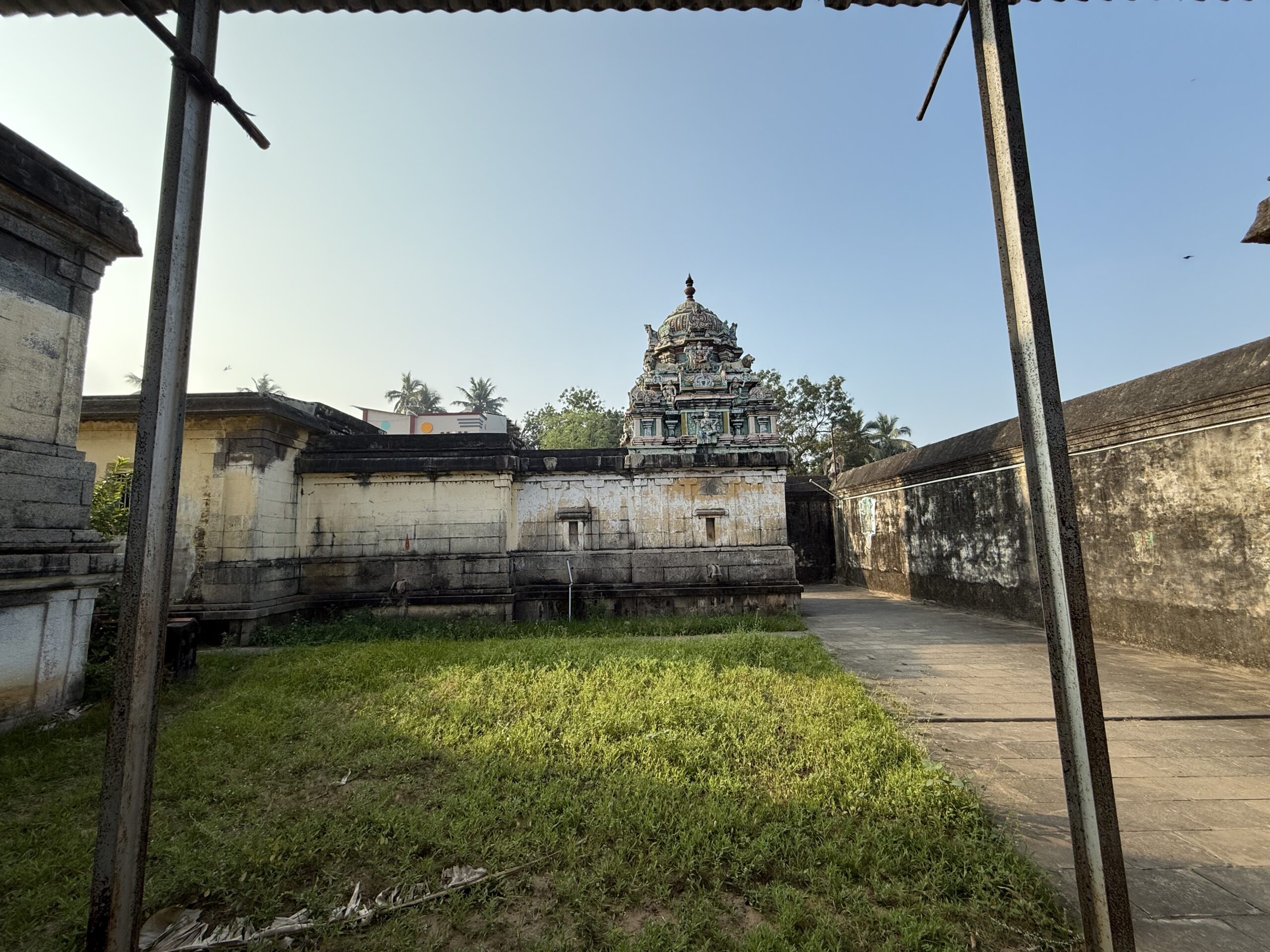
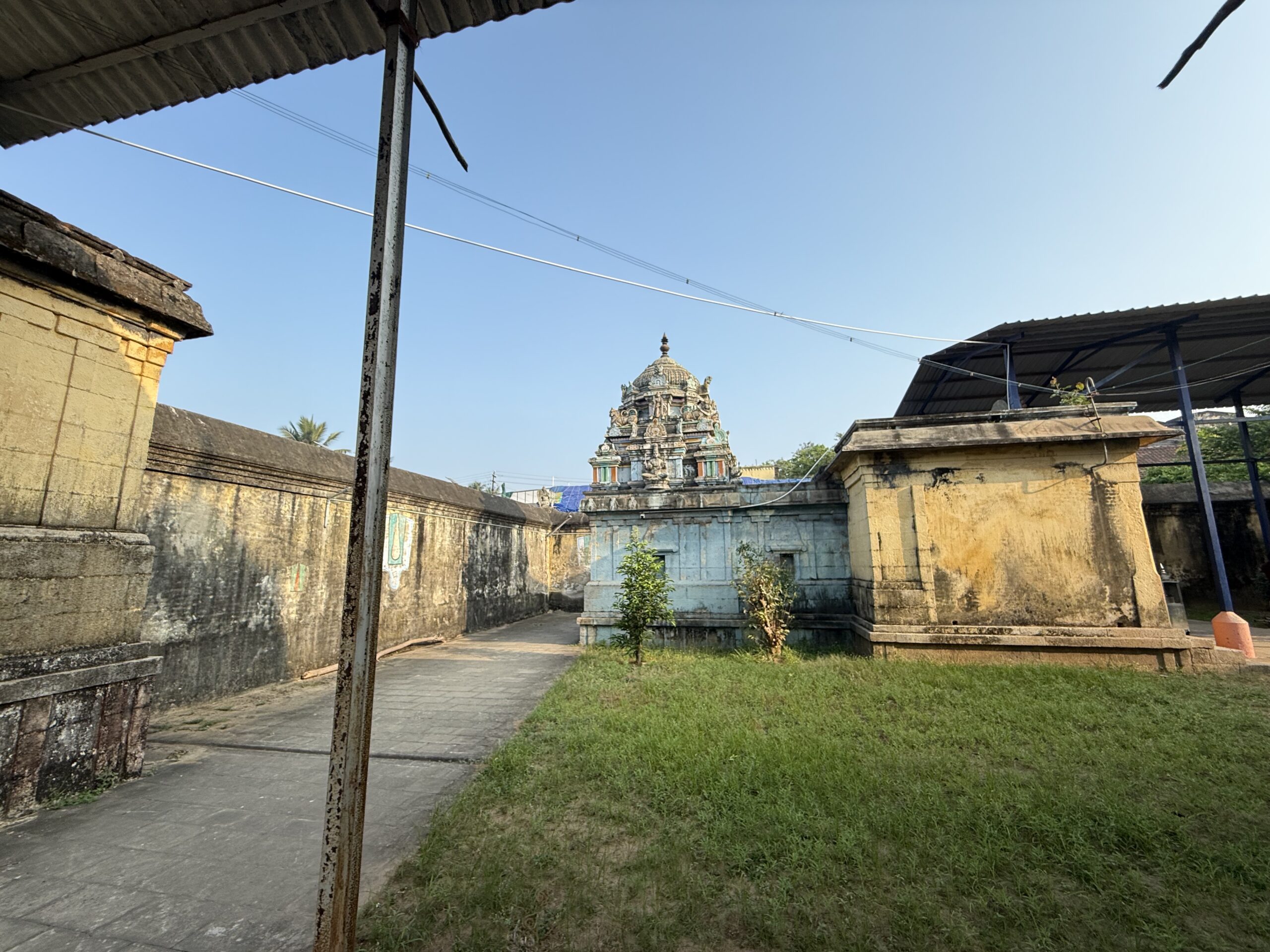
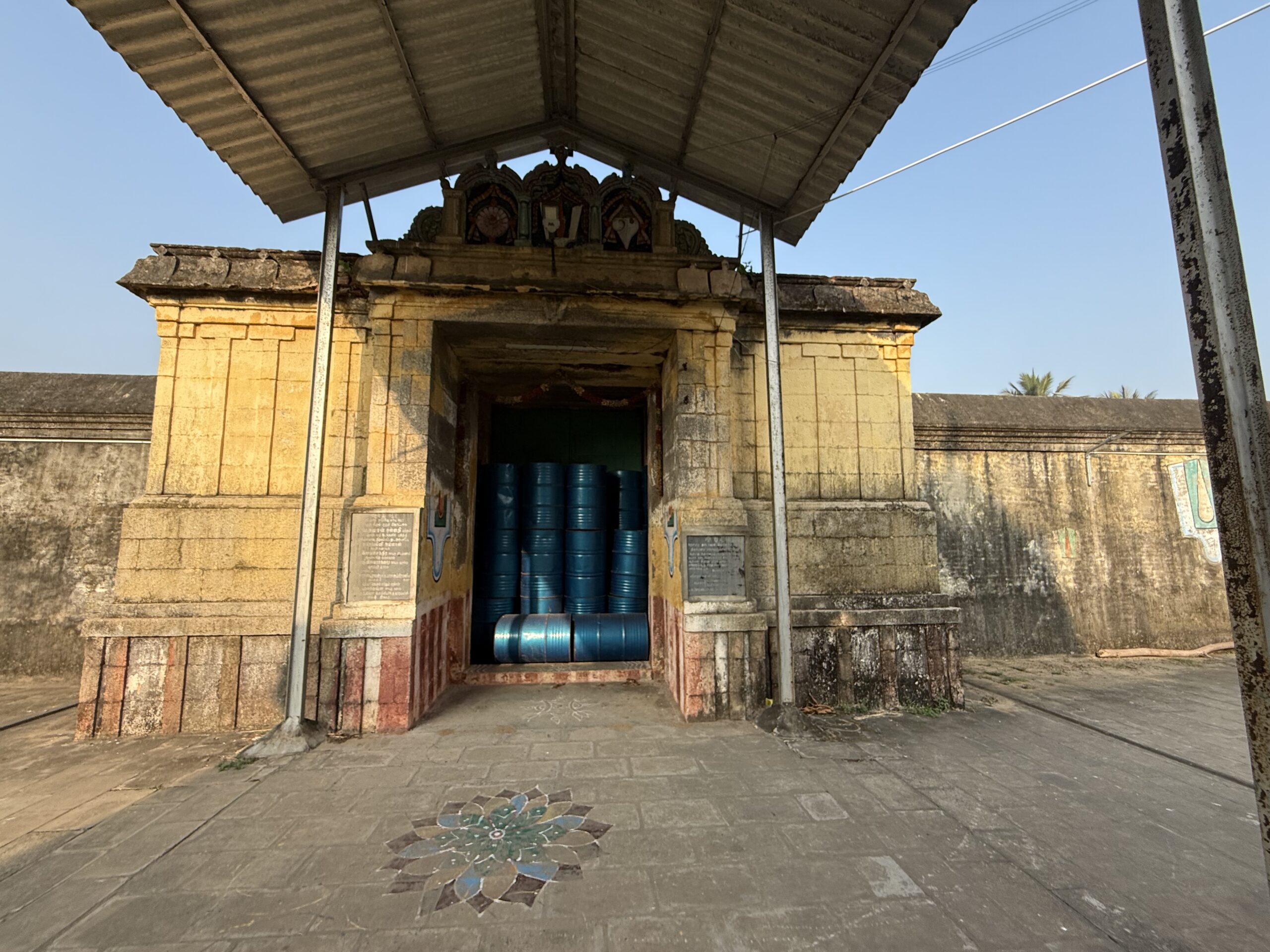
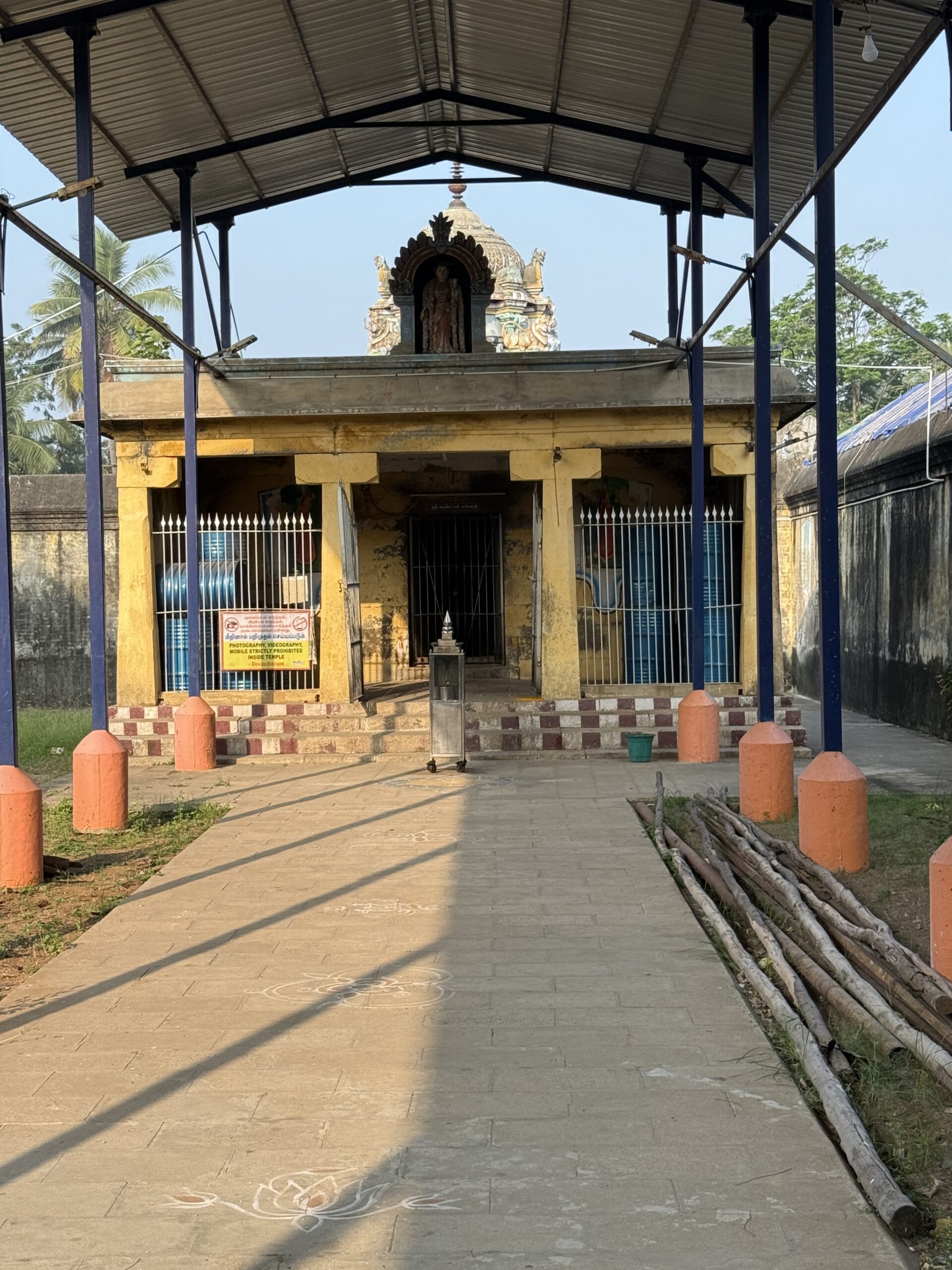
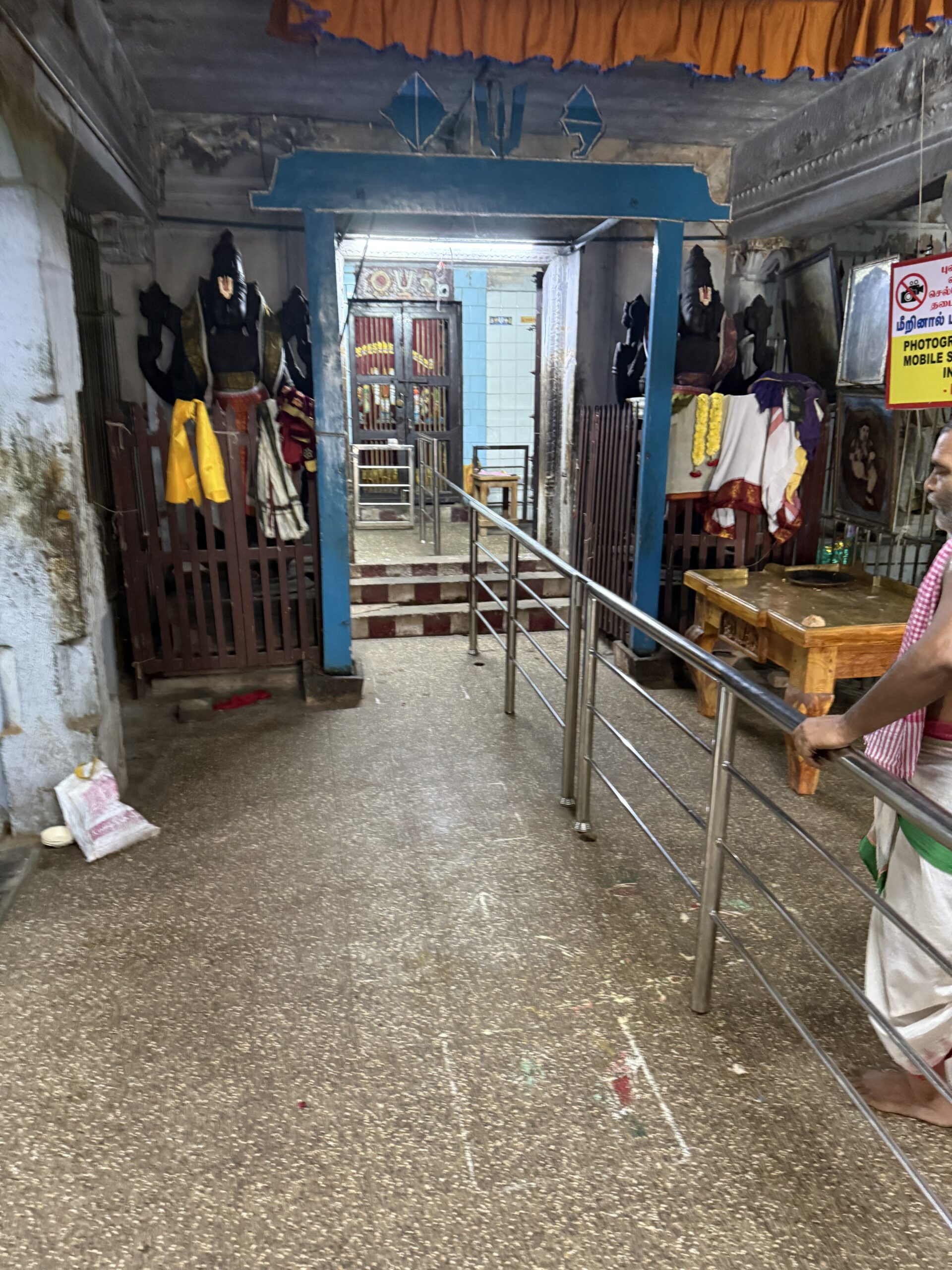
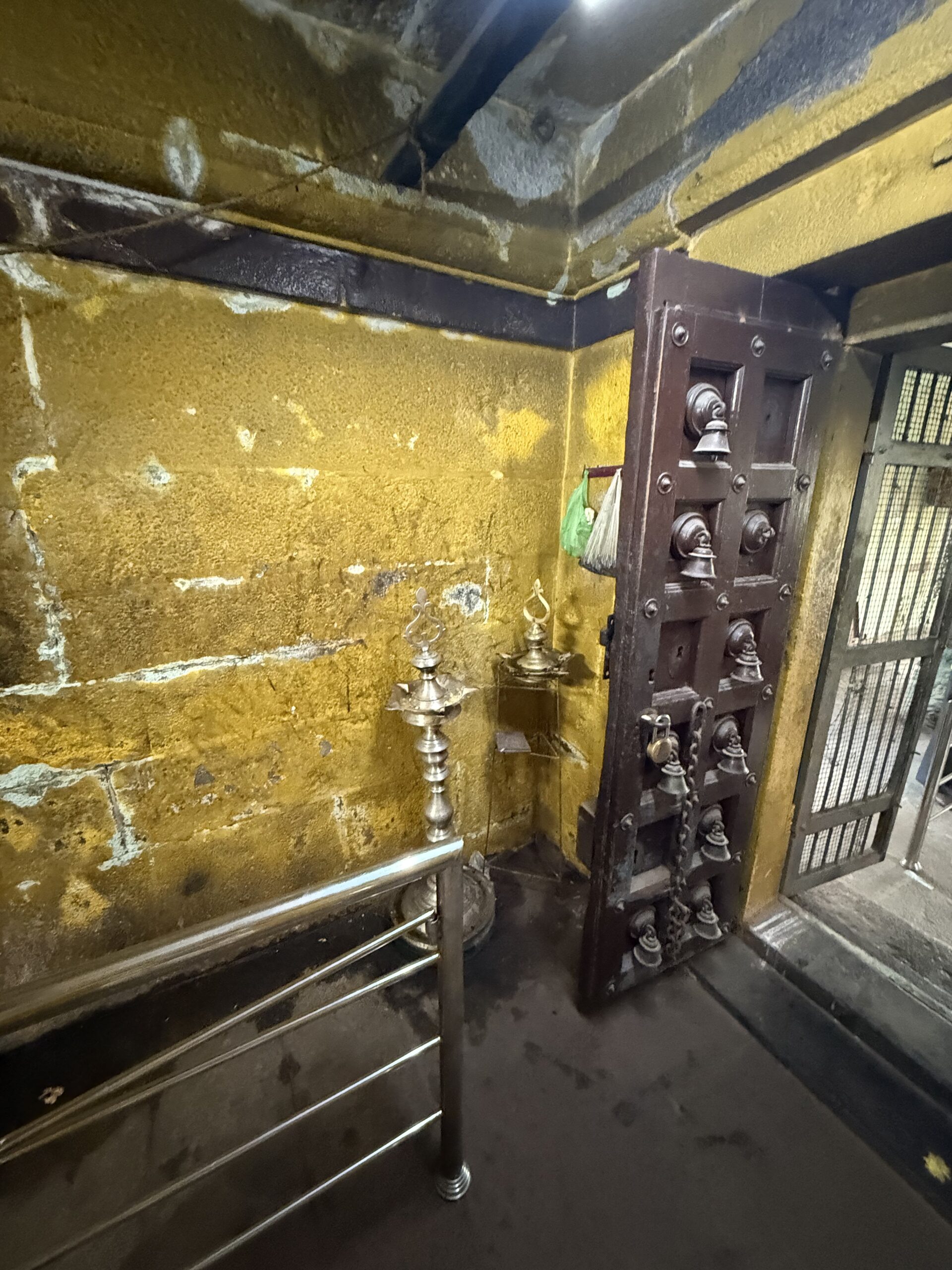
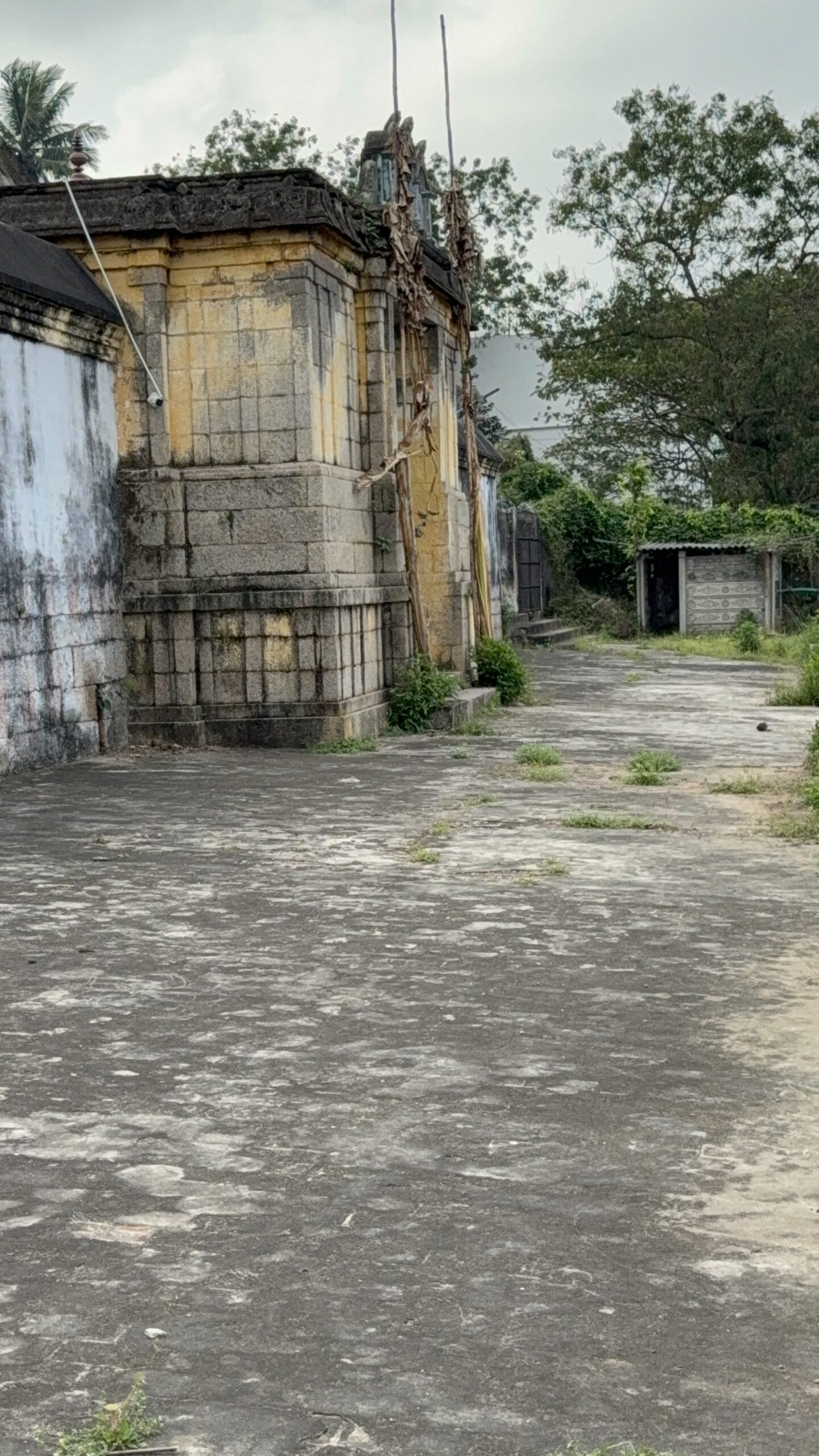
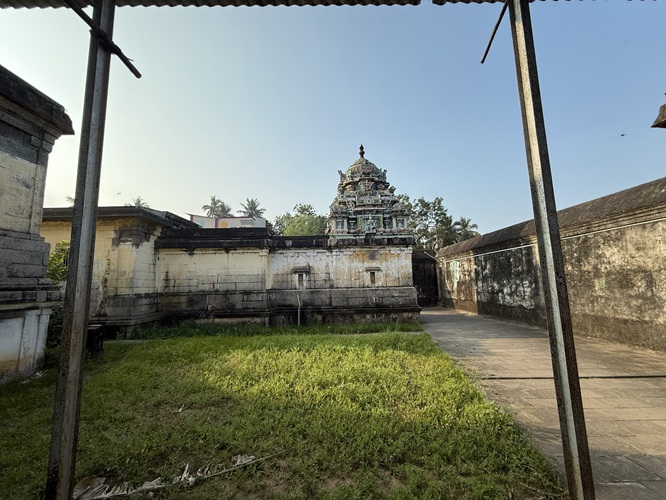
Our first project is to restore the Kāzhīsīrama Viṇṇagaram (also known as Tādālan Koil), a Divya Deśam of Trivikrama, in Śīrkāzhi, Tamil Nadu, India. The presiding deity is Viṣṇu in his Trivikrama form — left foot raised. His consort is Lokanāyaki (Śrī Lakṣmī).
We are conducting the renovation under aegis of Śrīmad Vedamārga Pratiṣṭhāpanācārya Ubhaya Vedānta Śrī Koil Kaṇḍādai Caṇḍamārutam Doḍḍāyācārya Svāmigaḷ, who oversees this divyadesam.
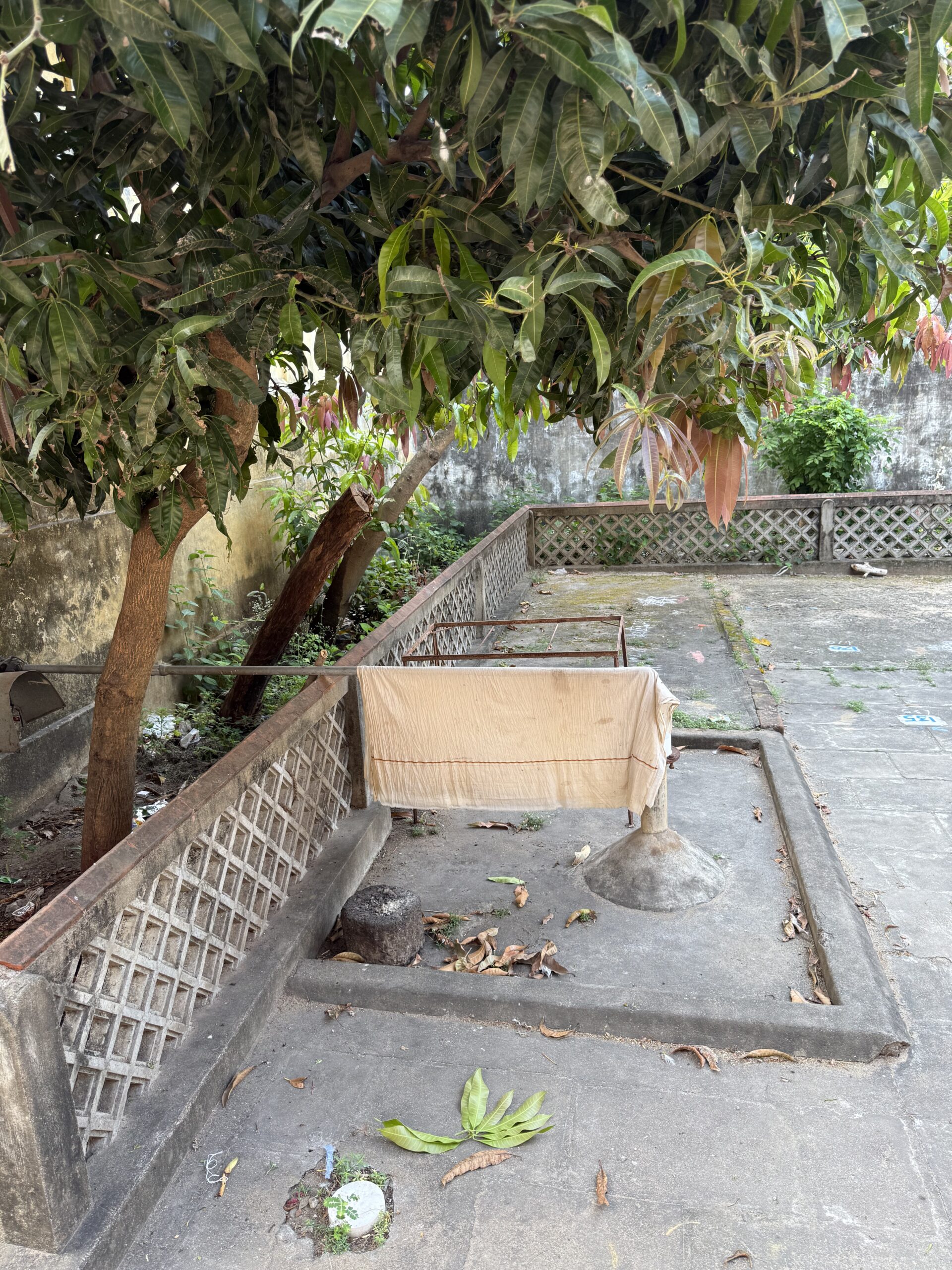
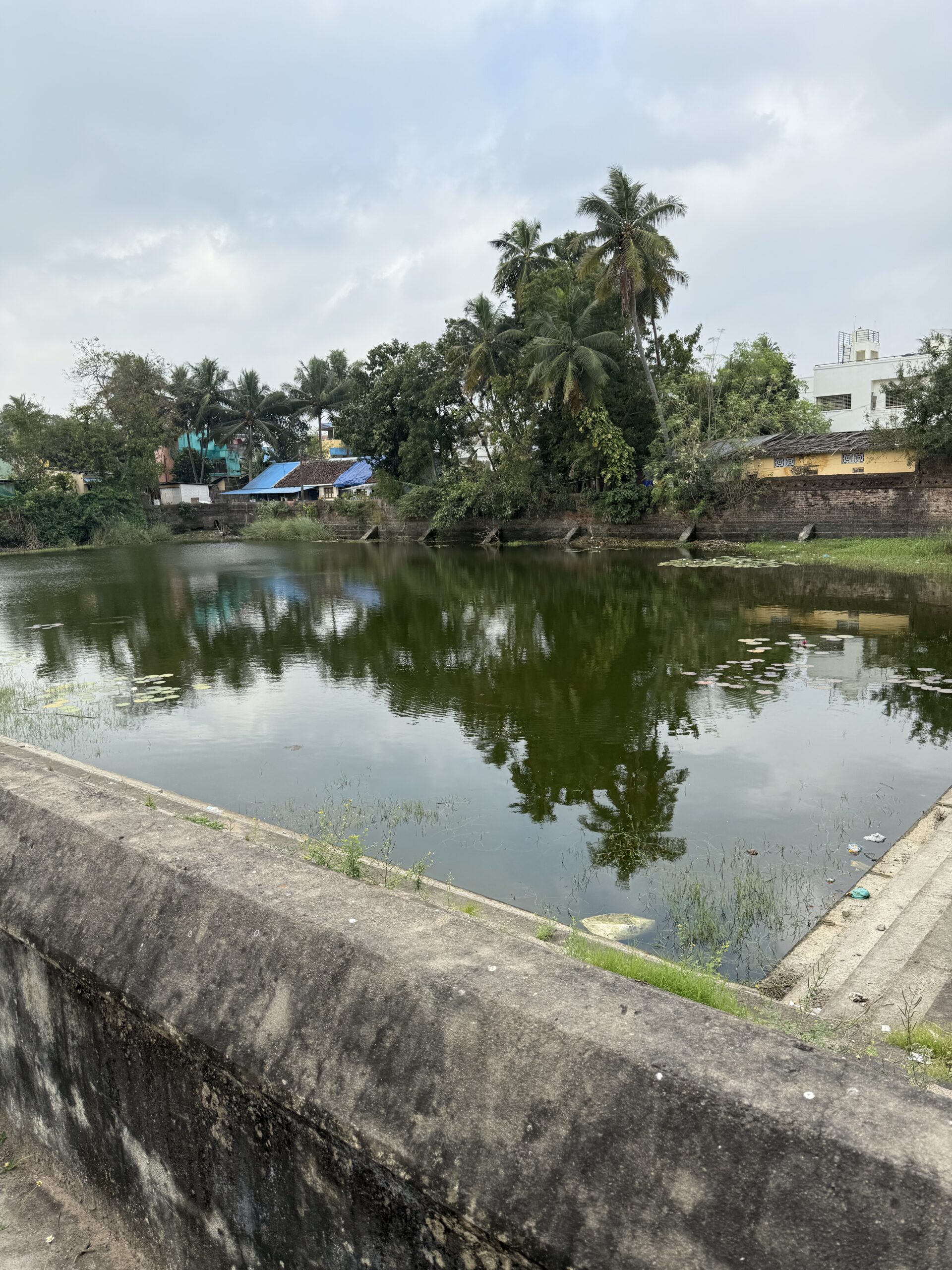
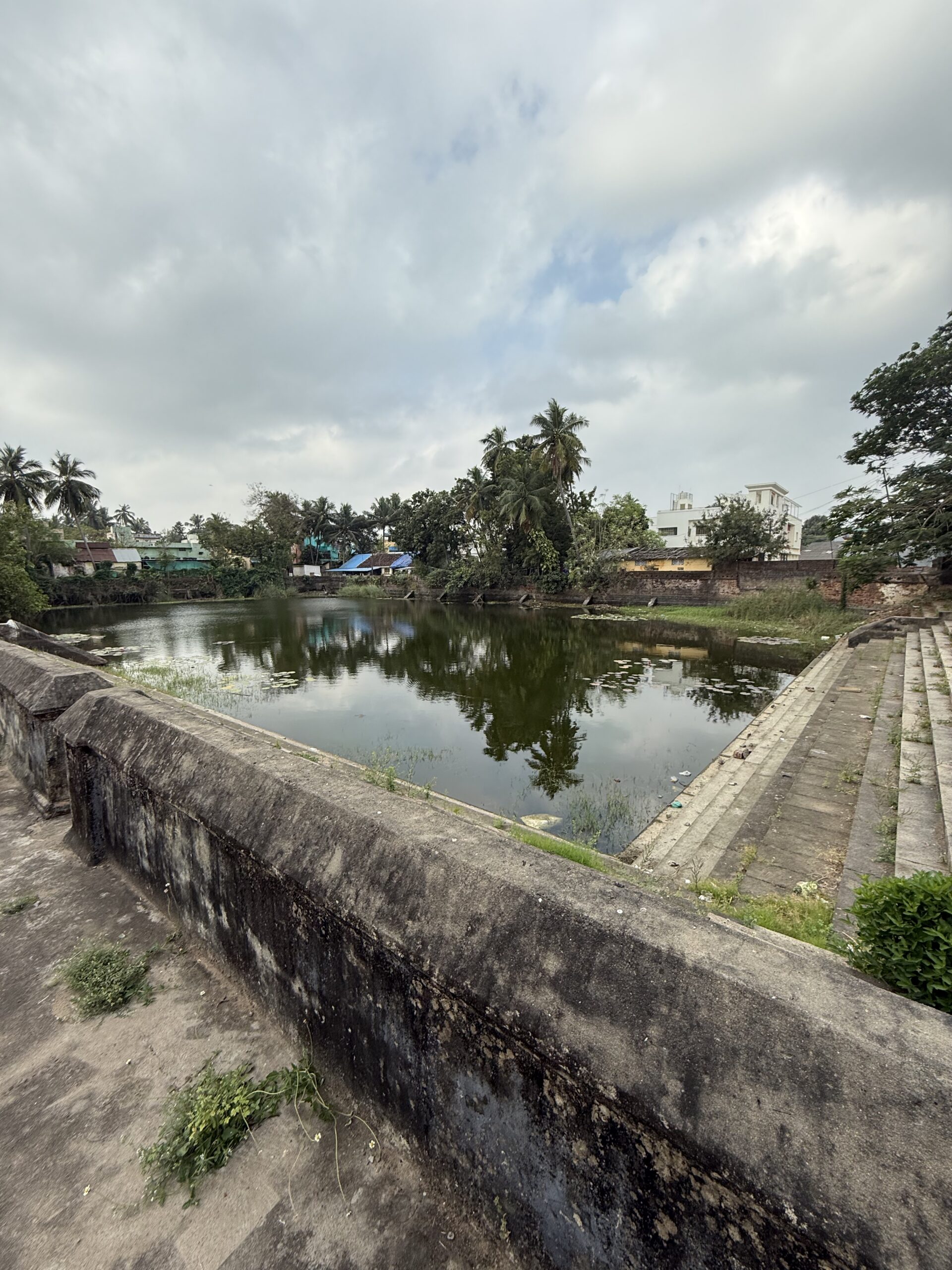
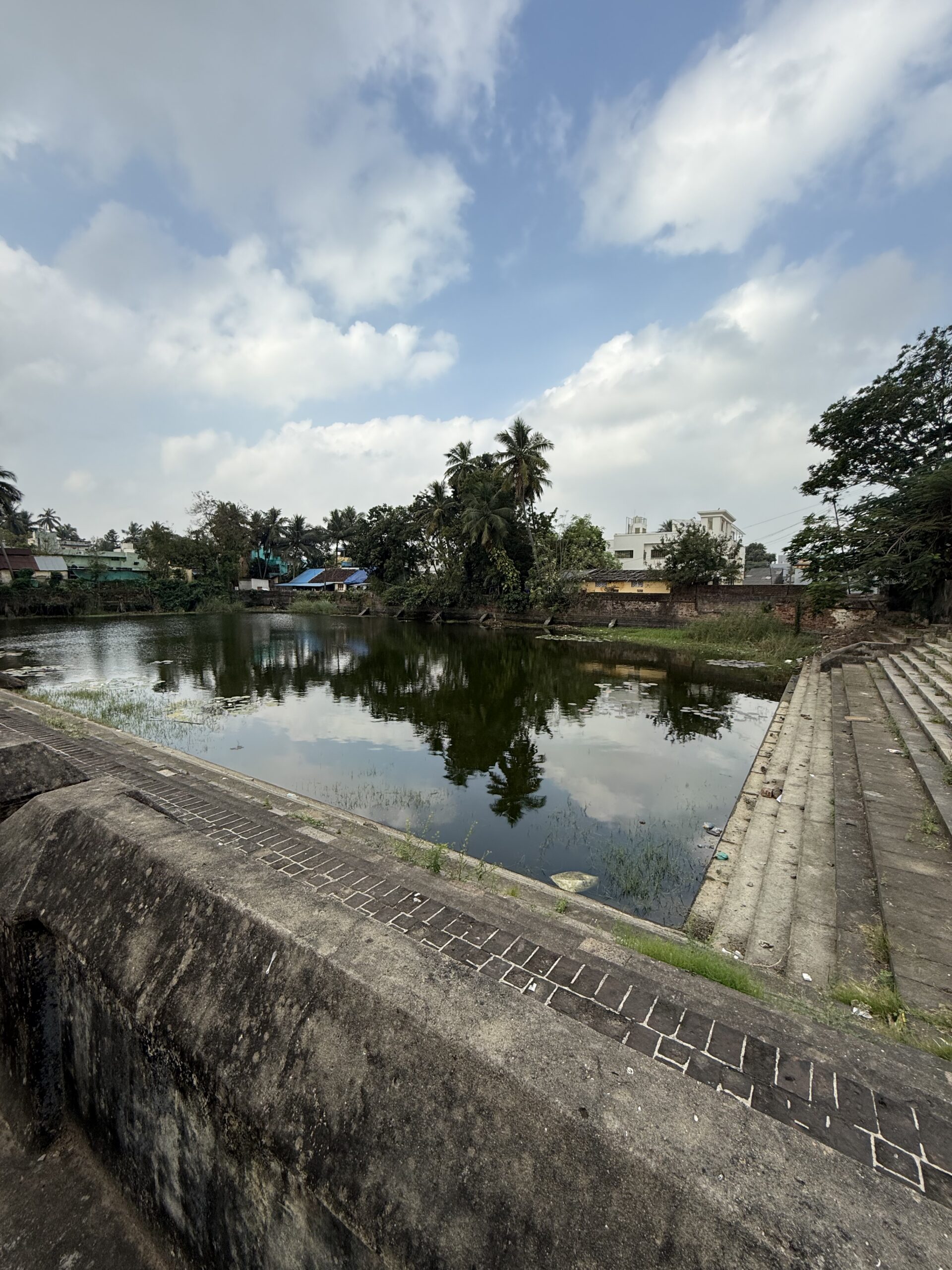
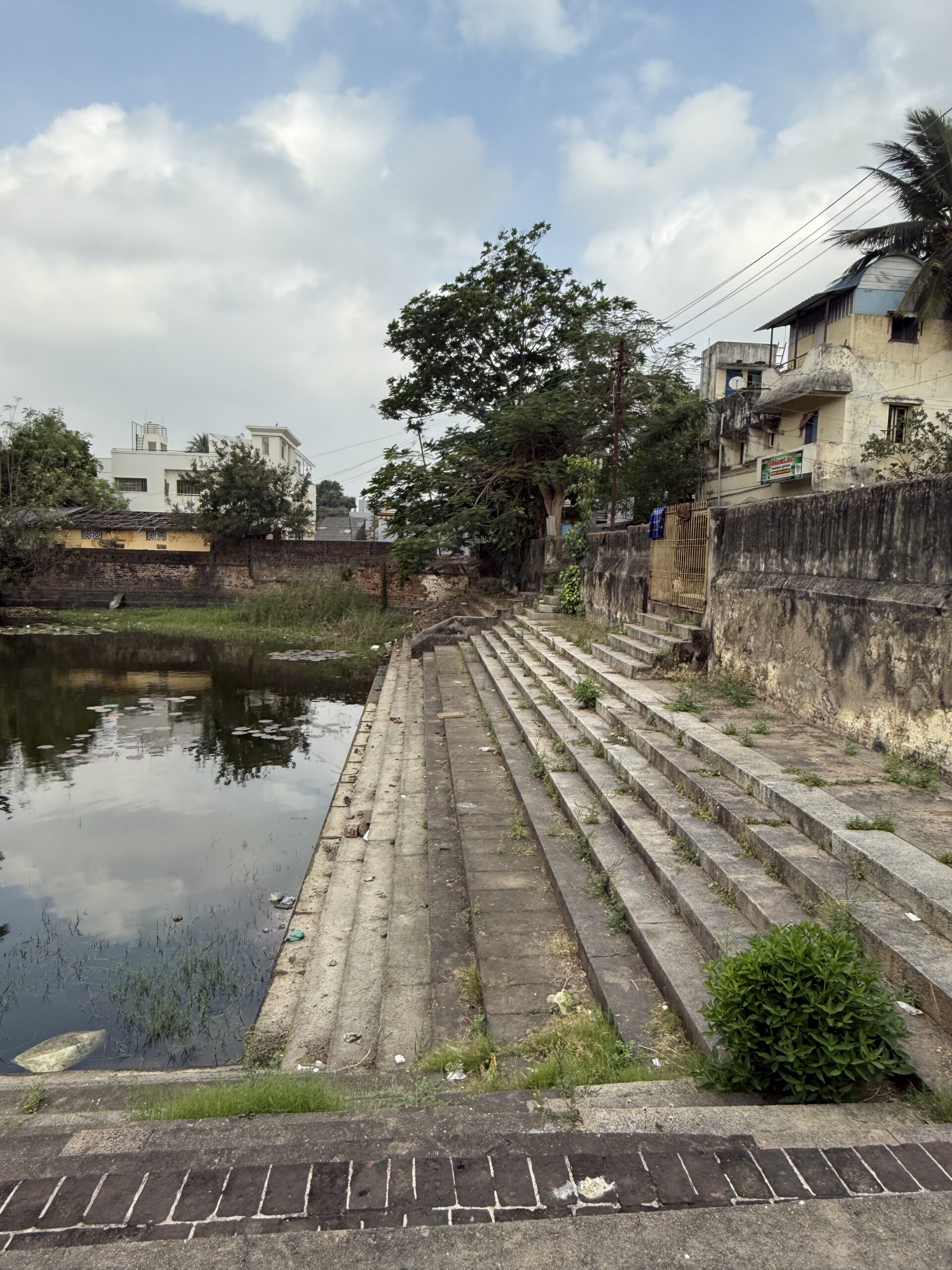
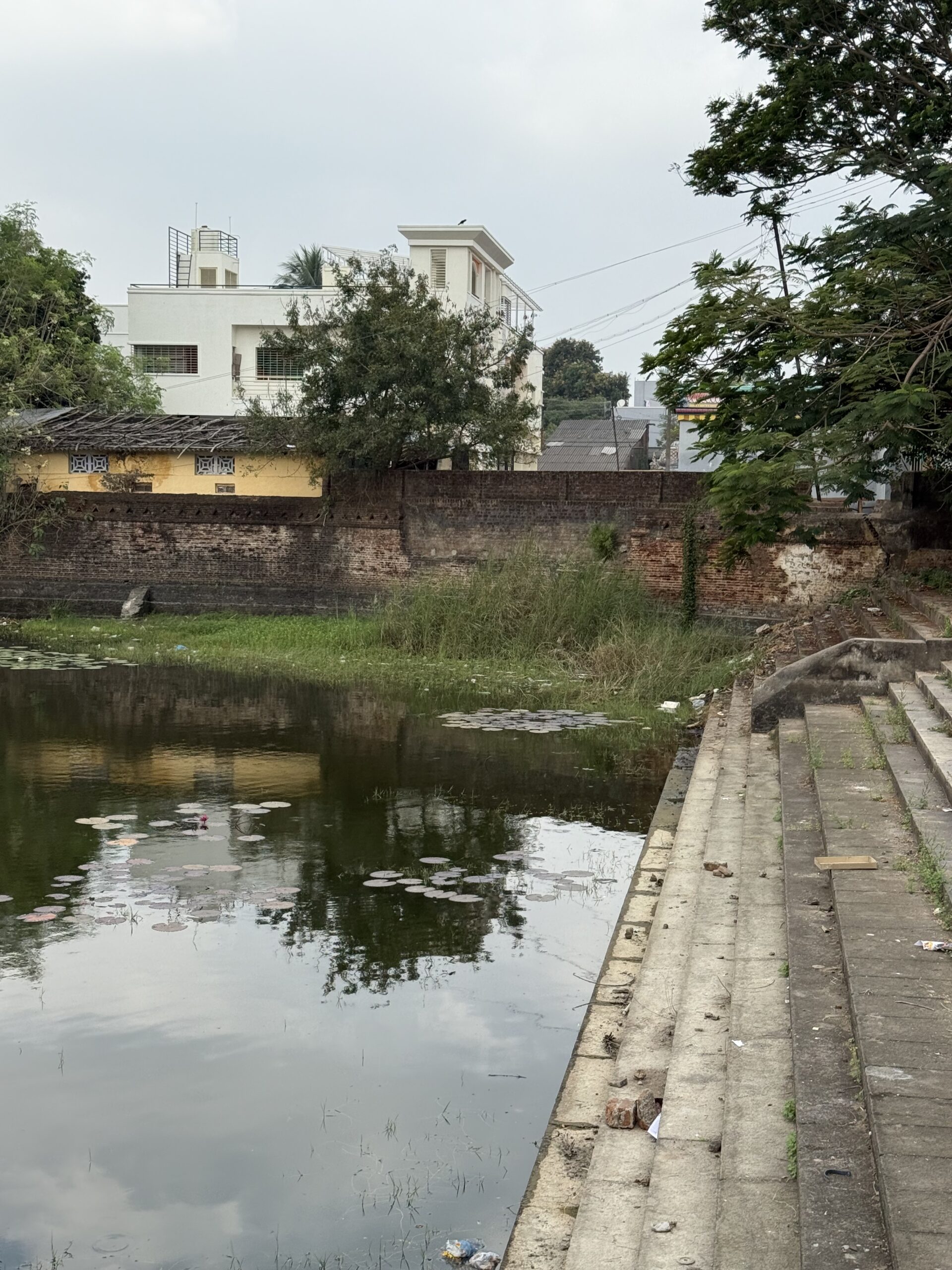
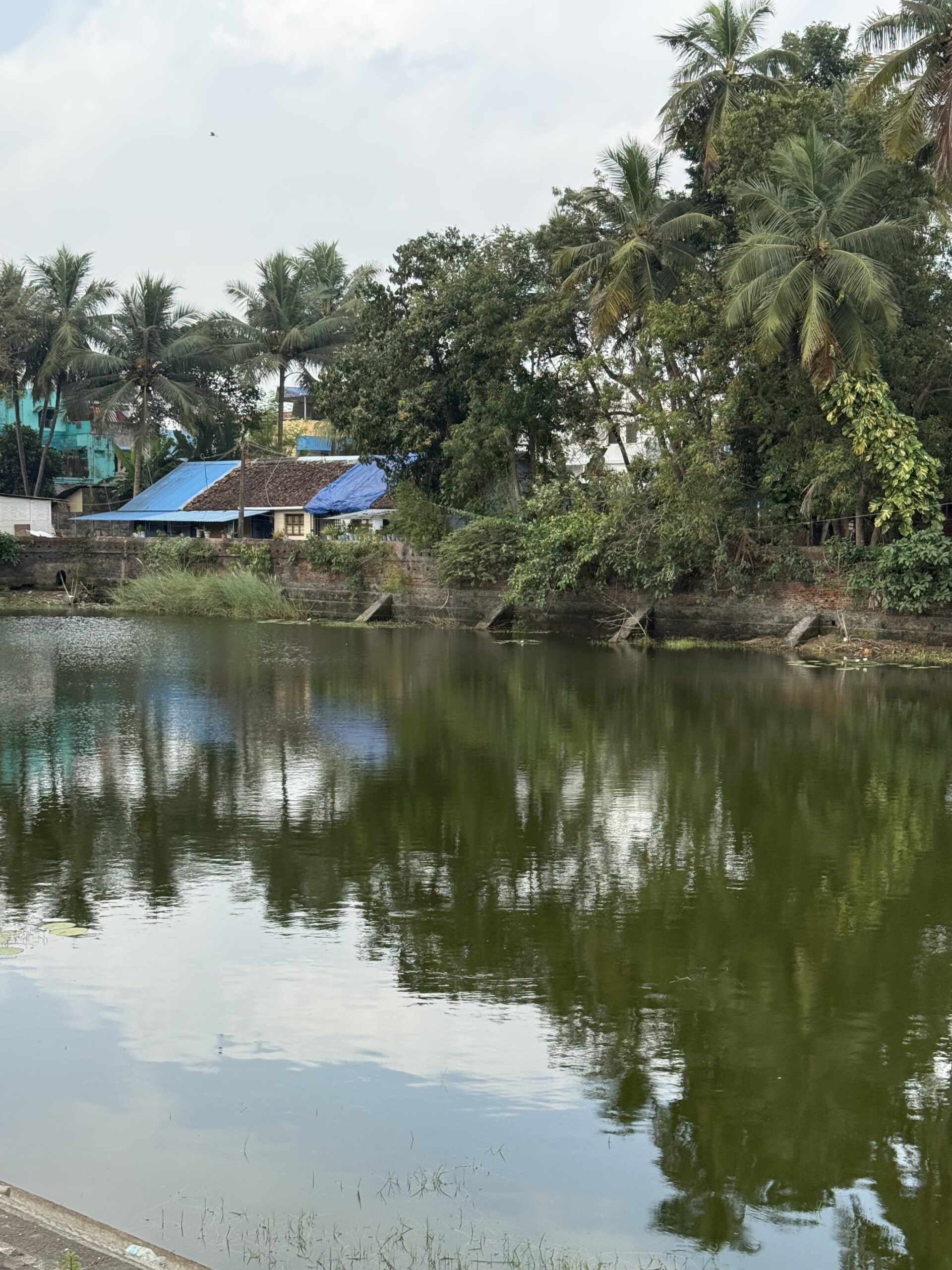
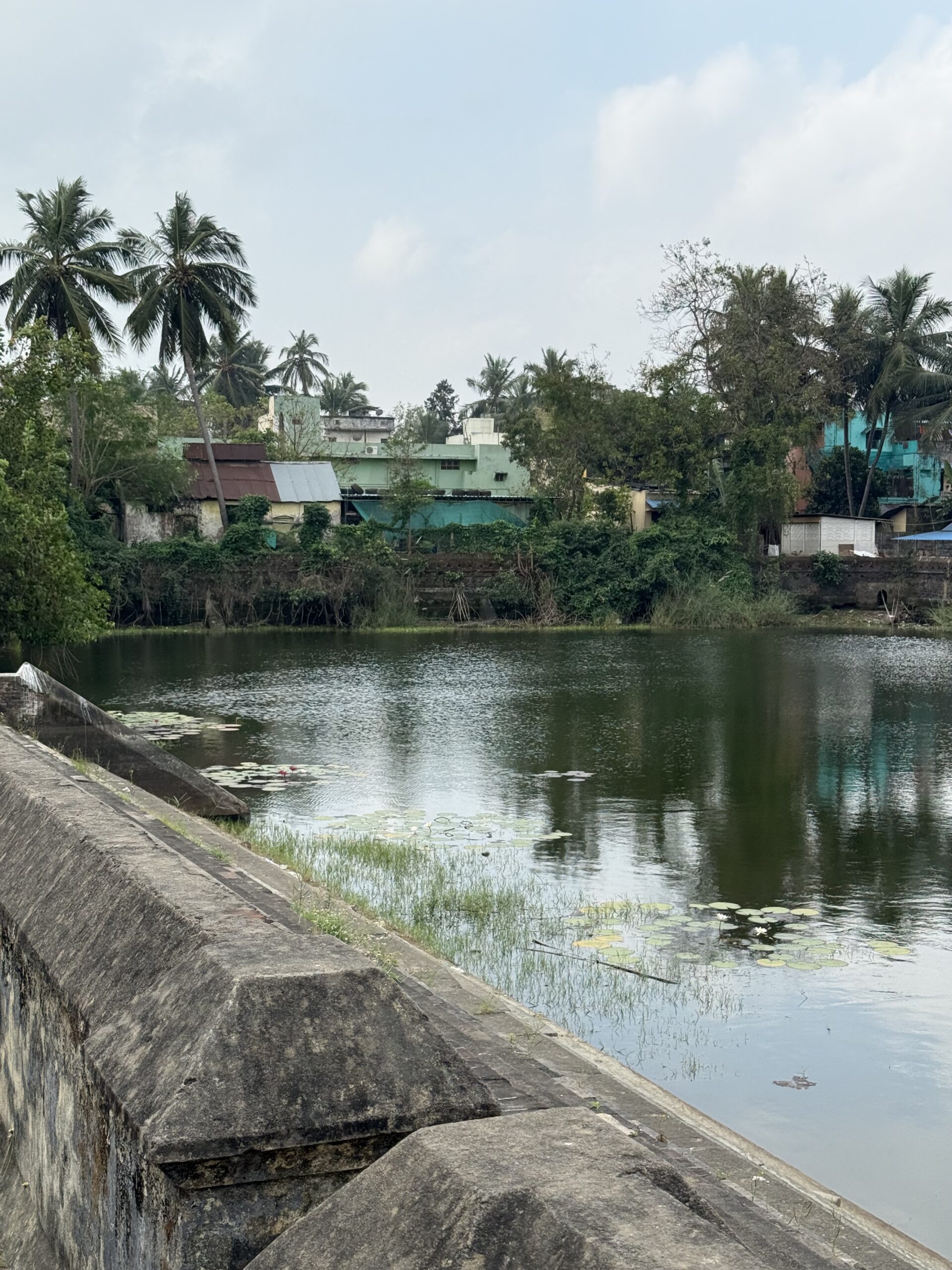
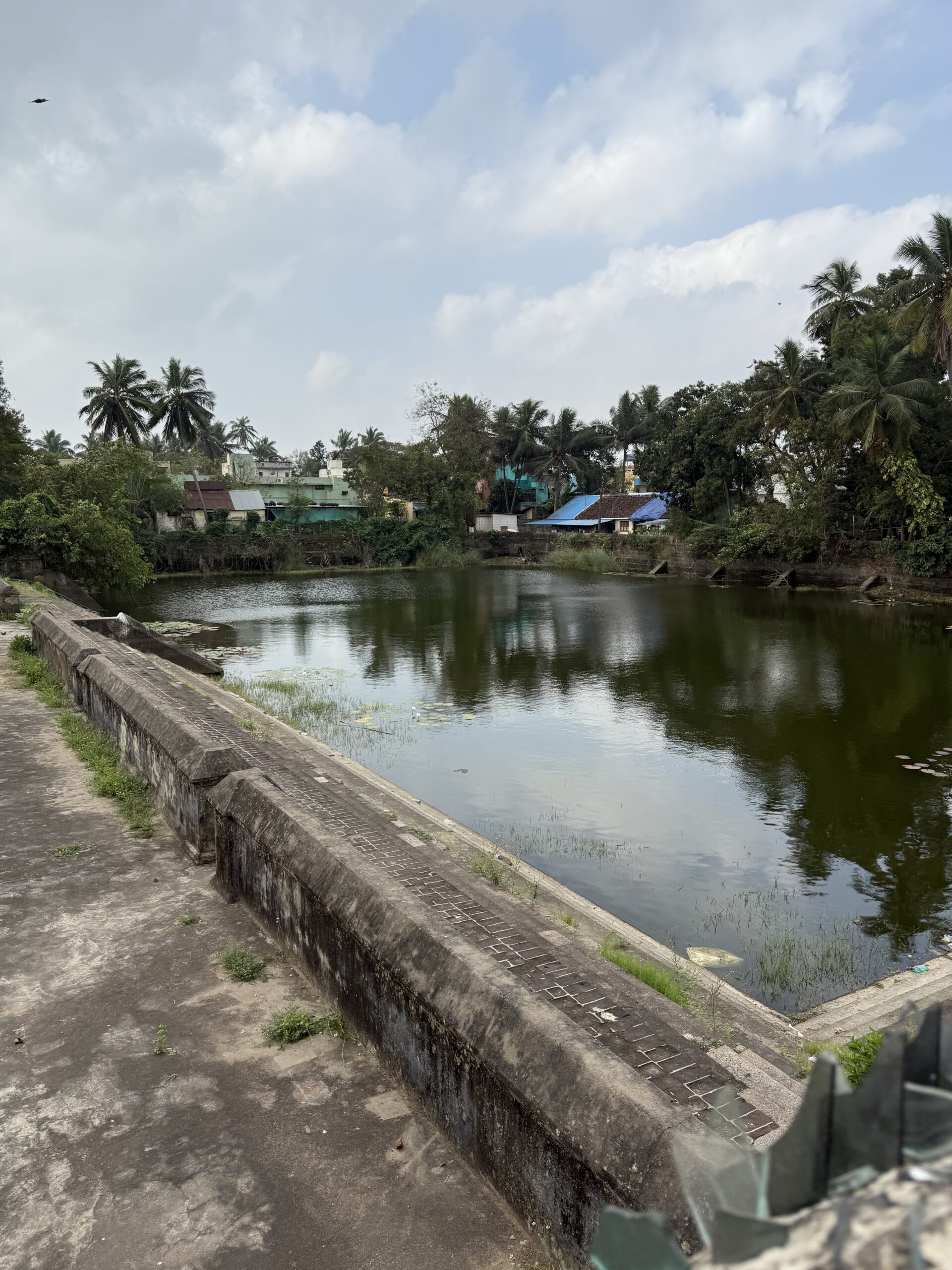
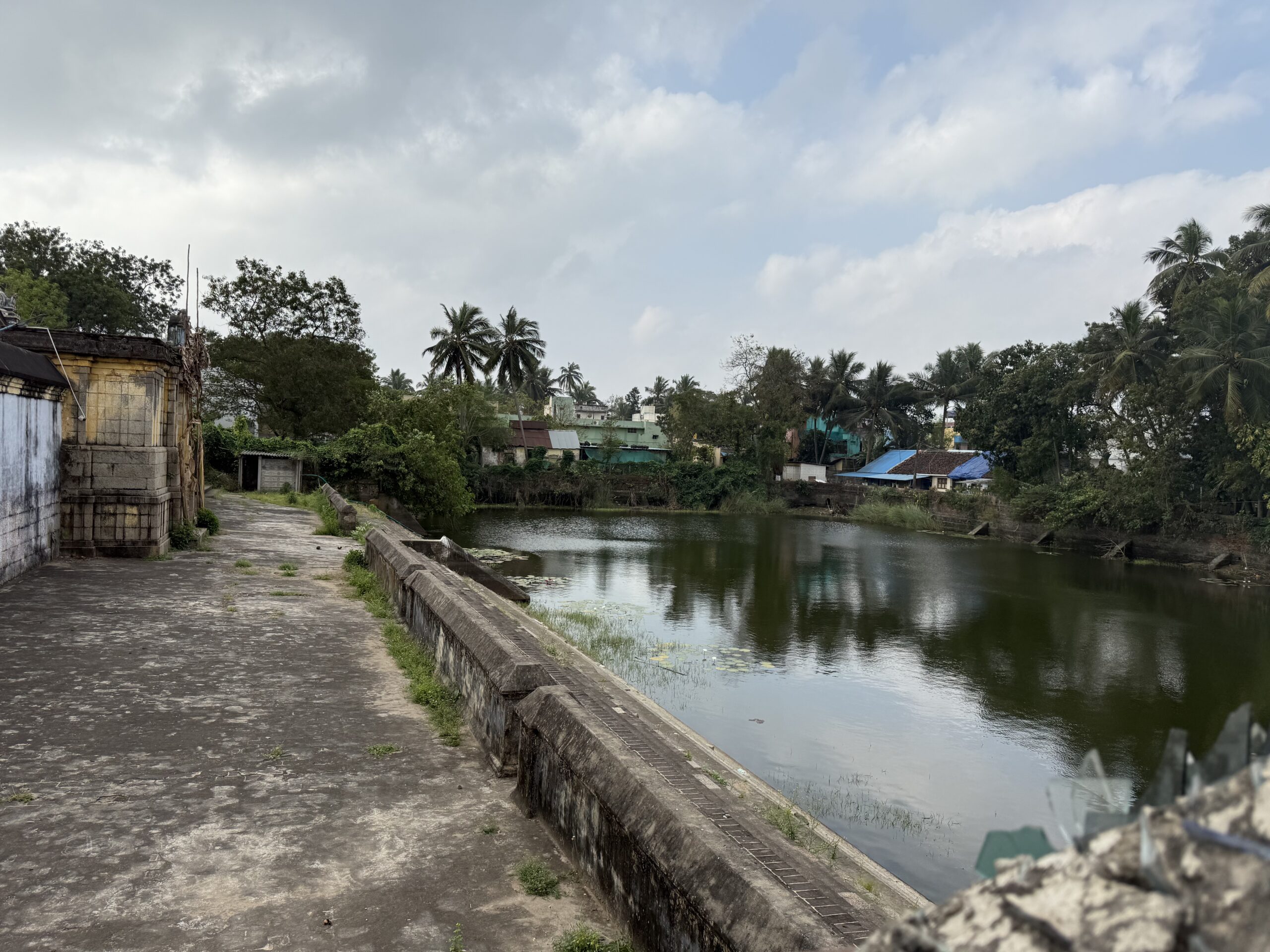
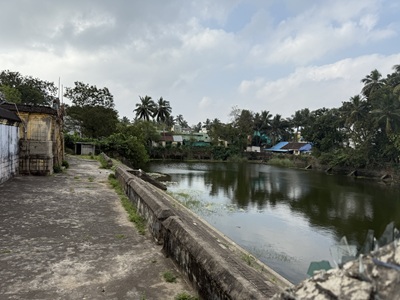
Sacred tank: The Saṅka Puṣkaraṇi (also called Cakra or Sakkara tīrtham) lies behind the temple.
The Significance Restoring Kāzhīsīrama Viṇṇagaram
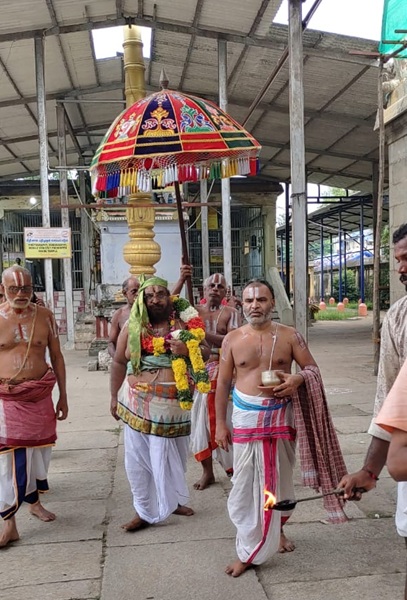
Kāzhīsīrama Viṇṇagaram stands as a beacon of Vaiṣṇava spiritual heritage, one of the revered 108 Divya Deśams. Its restoration is crucial to preserving the living tradition of devotion and temple culture. This temple not only serves as a spiritual center but also as a hub for cultural and community activities, fostering a sense of unity and service.
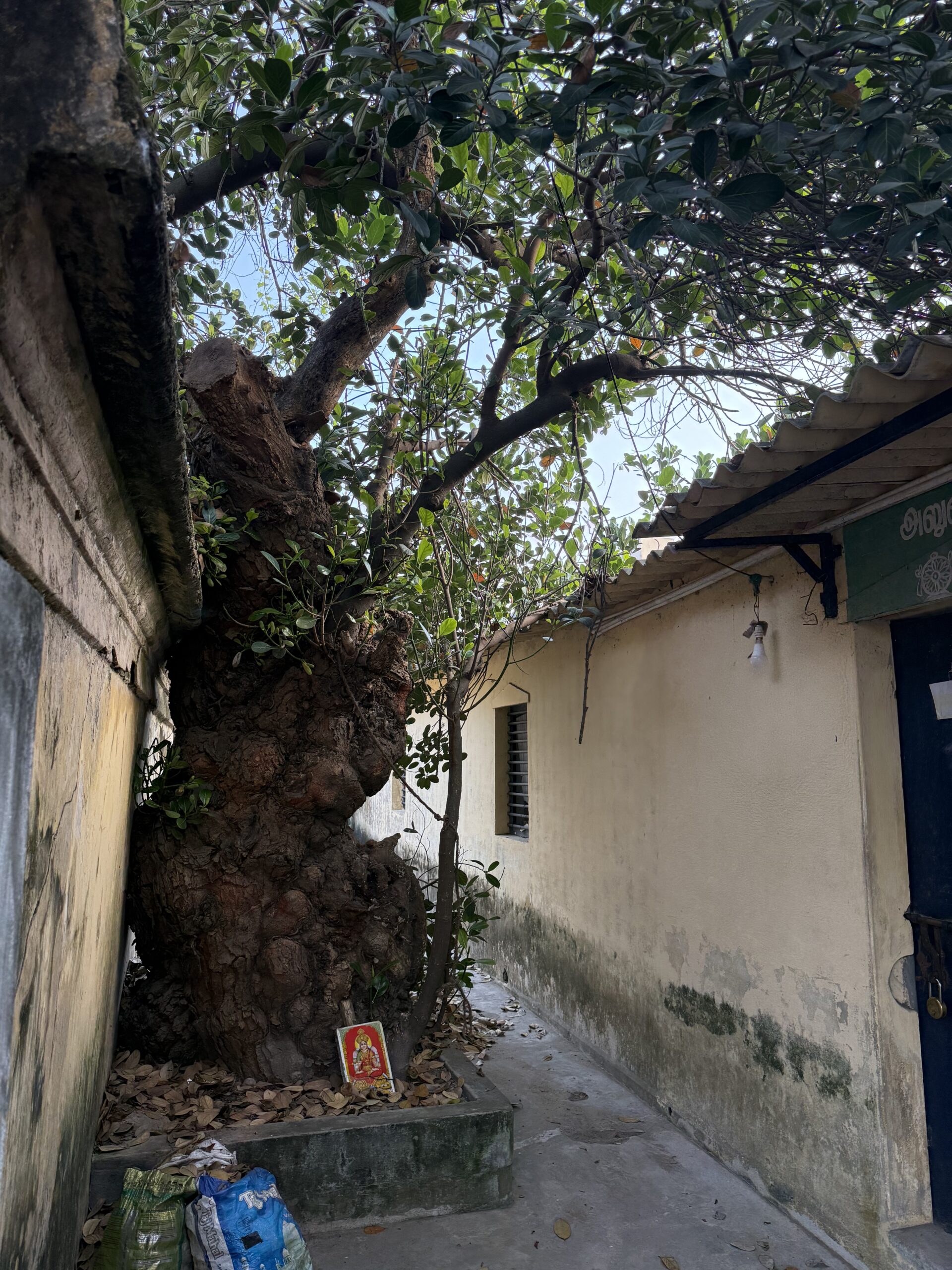
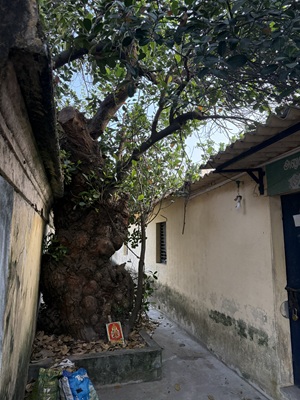
The temple’s historical roots trace back to the hymns of Tirumaṅgai Āḻvār (This places the sanctified status of the shrine to at least the 7th–8th century CE), with contributions from the Cōḻa dynasty and Vijayanagara empire. A jackfruit tree from his time is still present in the northeast corner of the grounds. Its preservation is a testament to our commitment to maintaining a rich spiritual and cultural legacy.
A restored temple becomes a focal point for upliftment of the local region, support for literature, arts & culture, and service to all beings — aligning perfectly with our mission.
Restoration
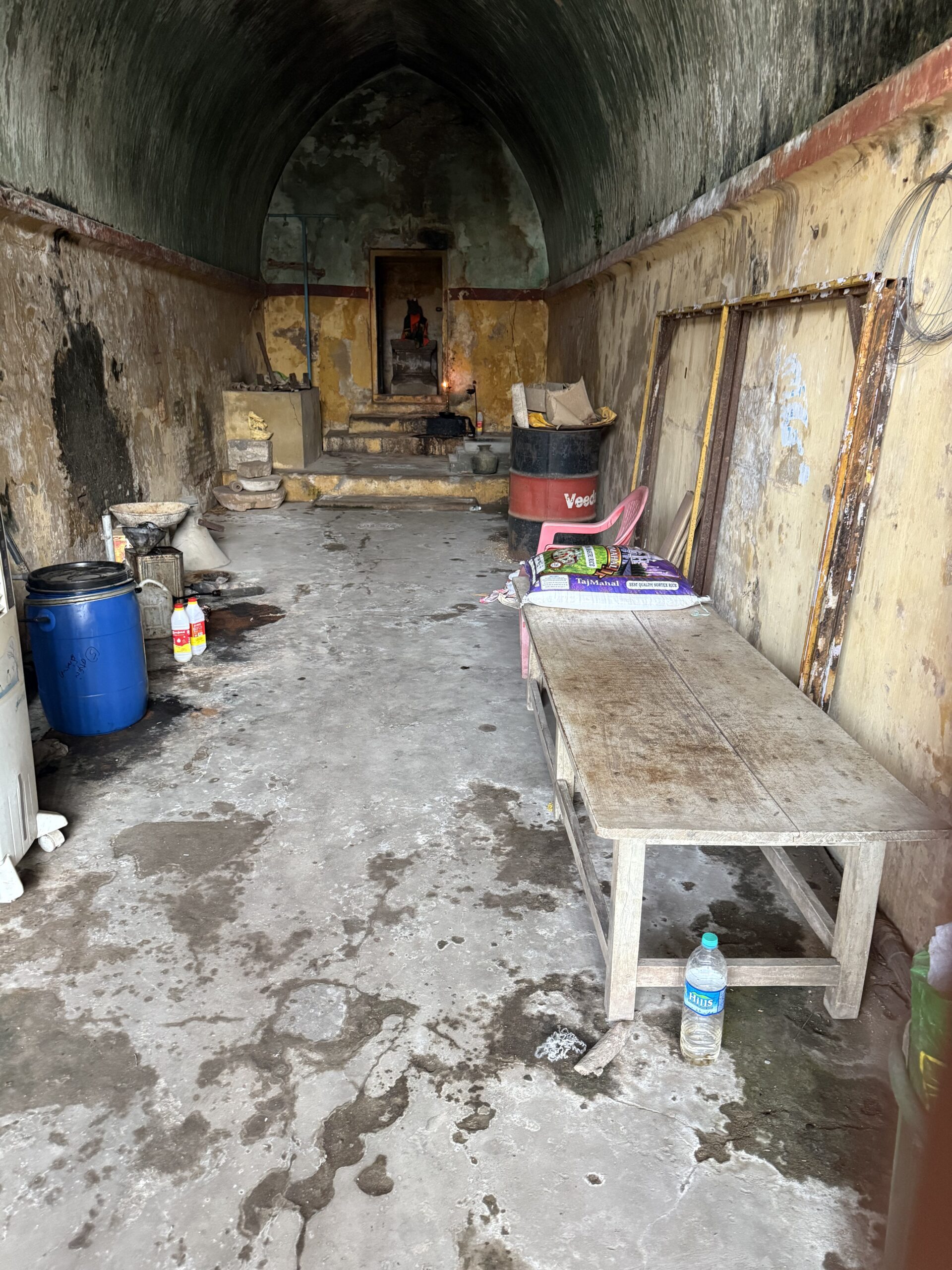
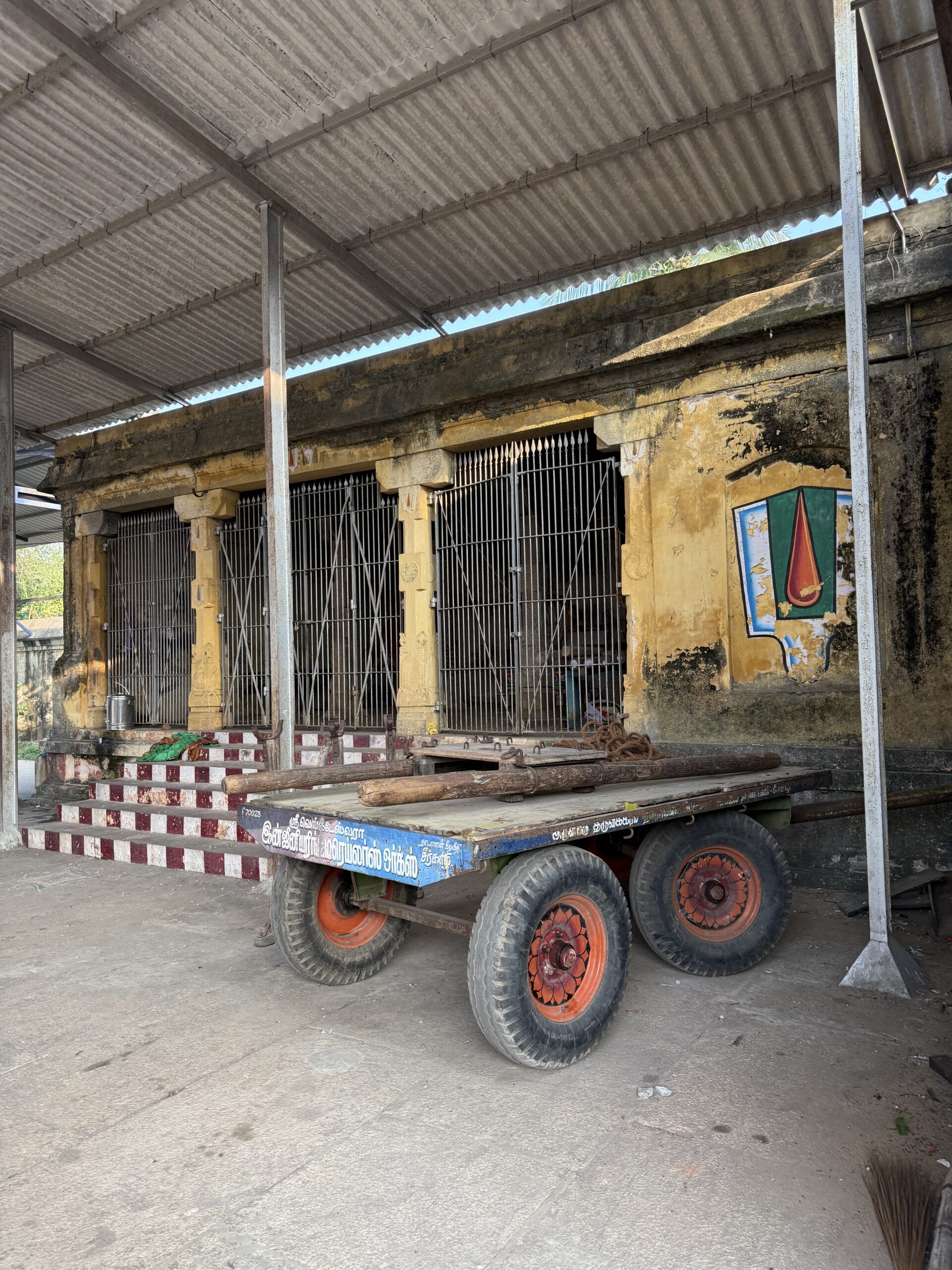
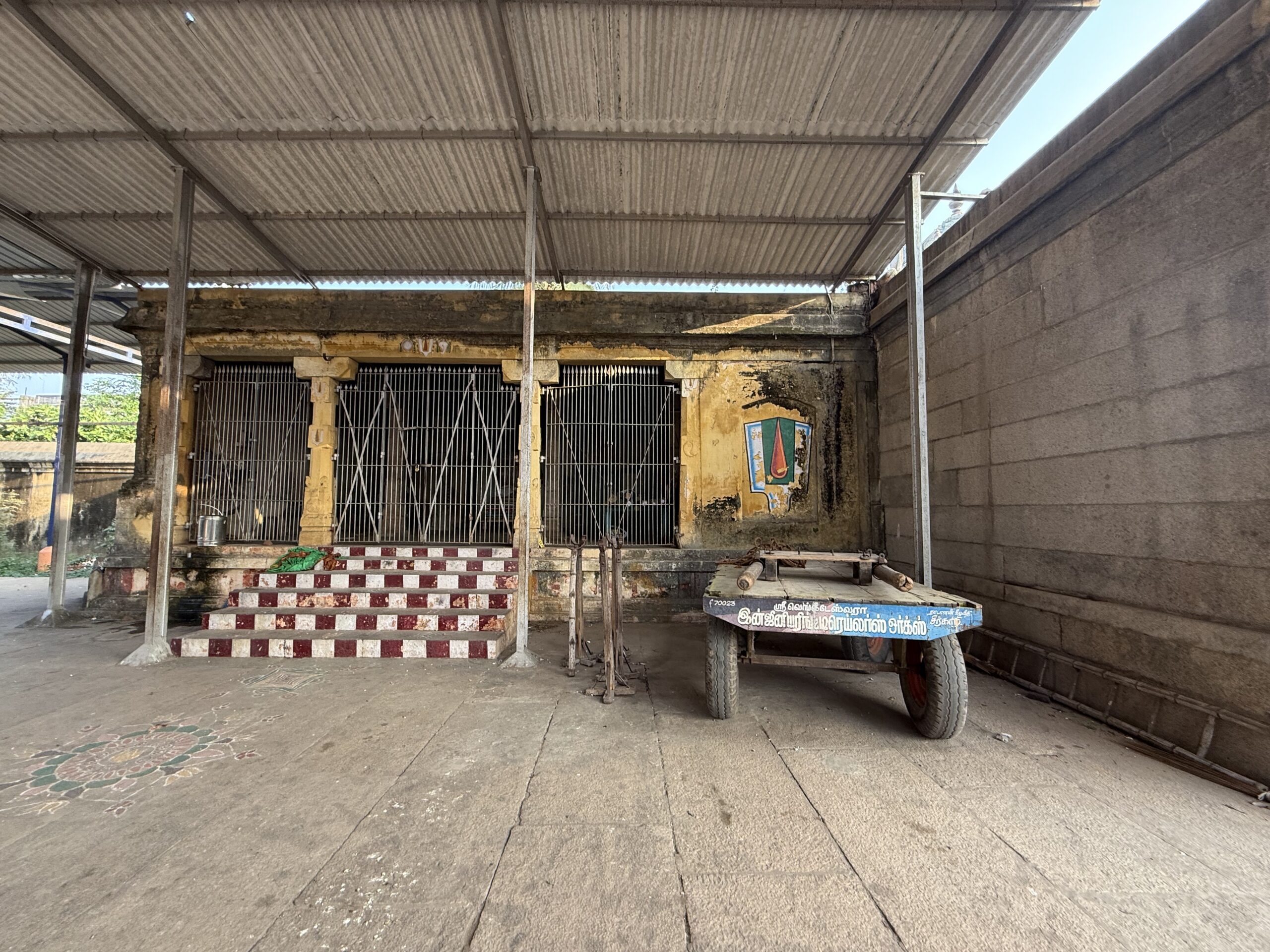
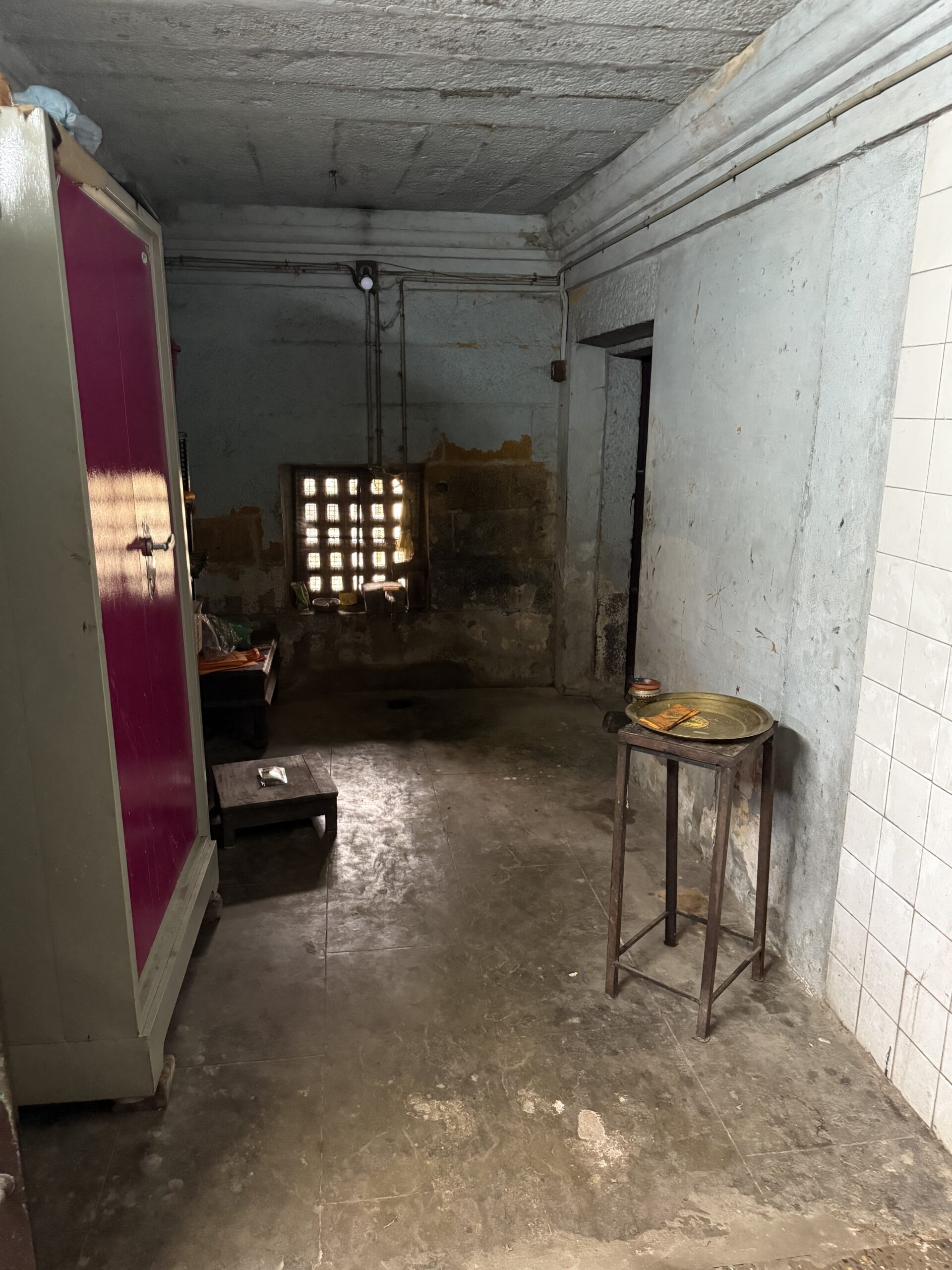
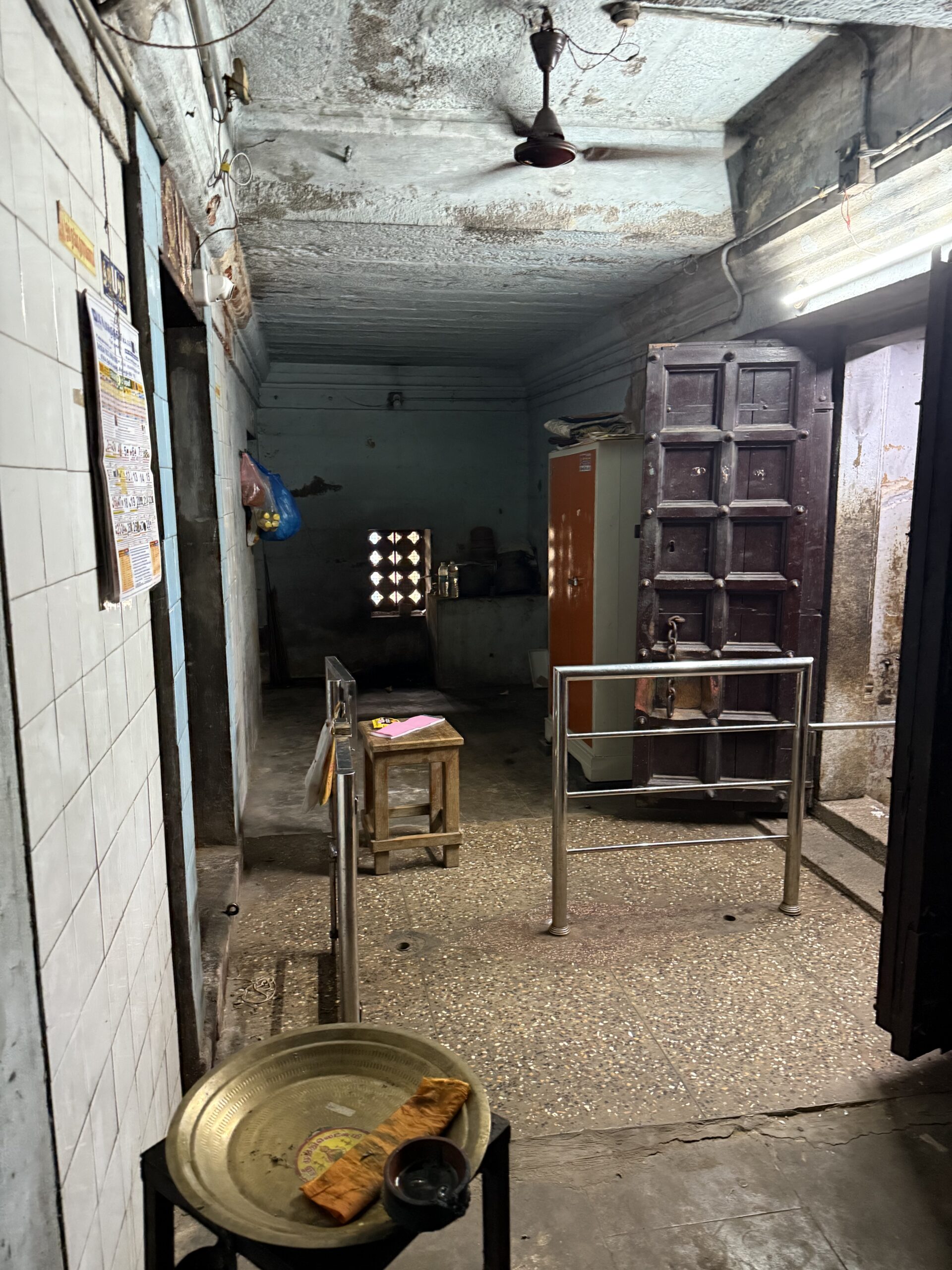
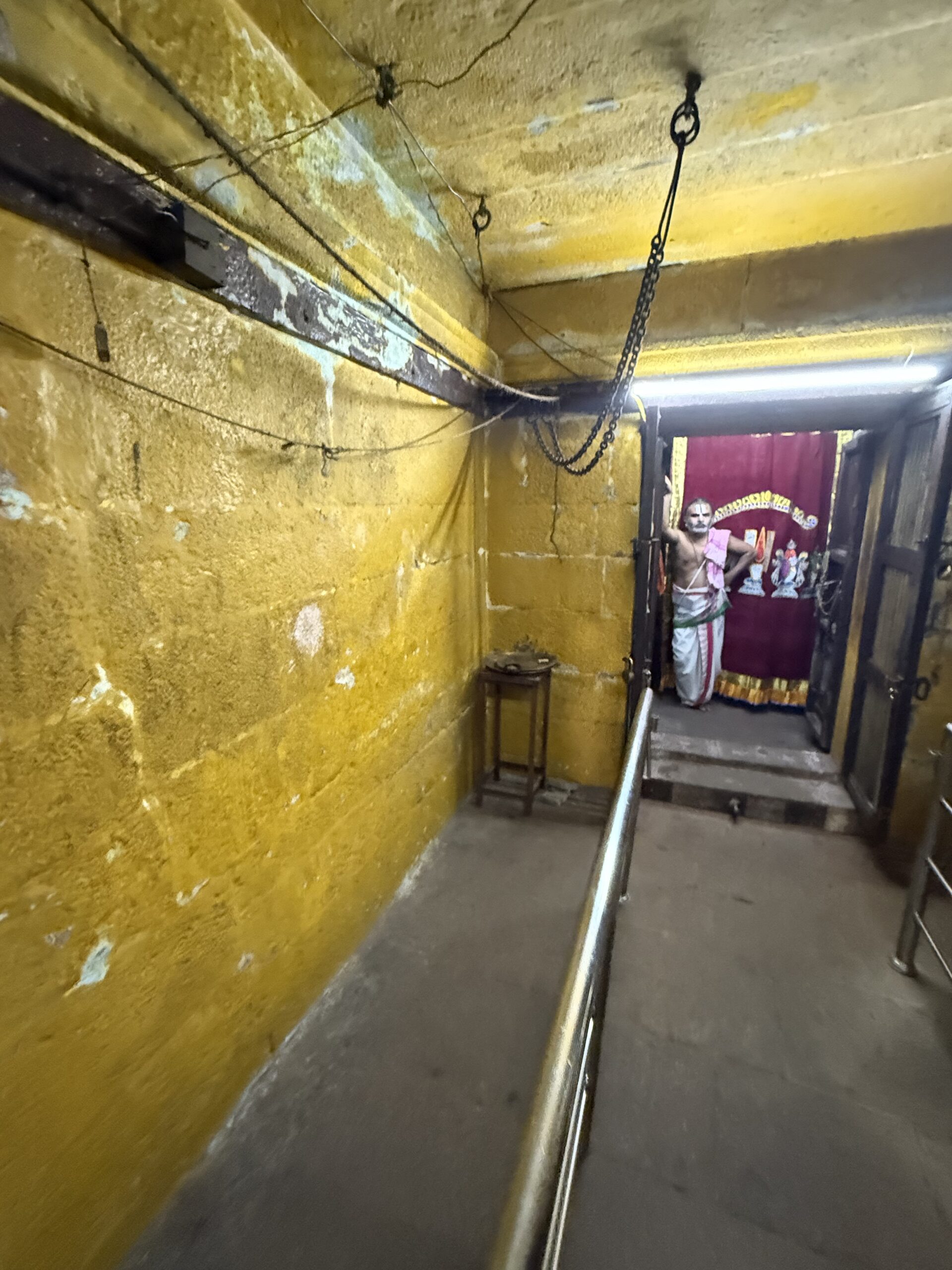
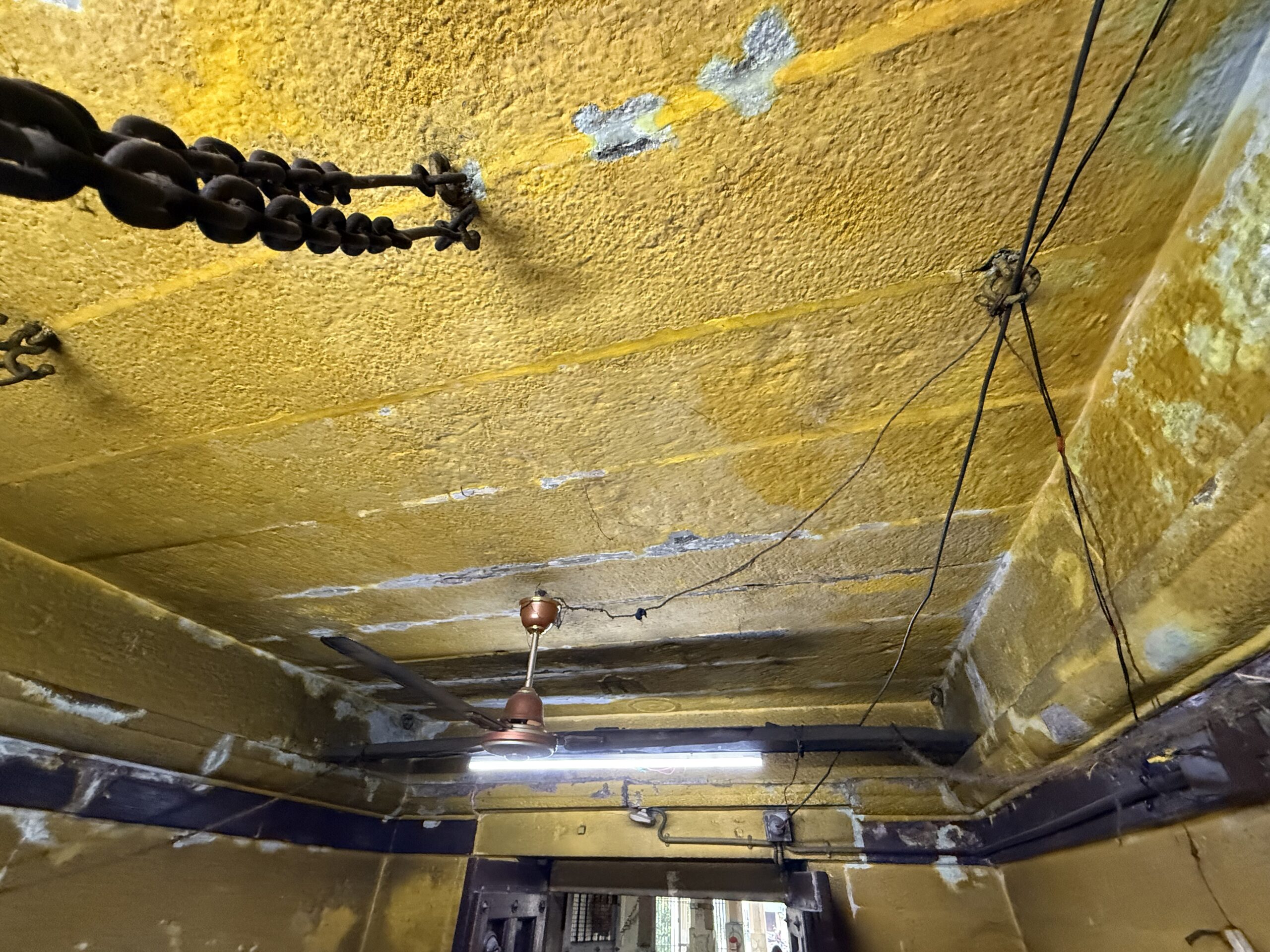
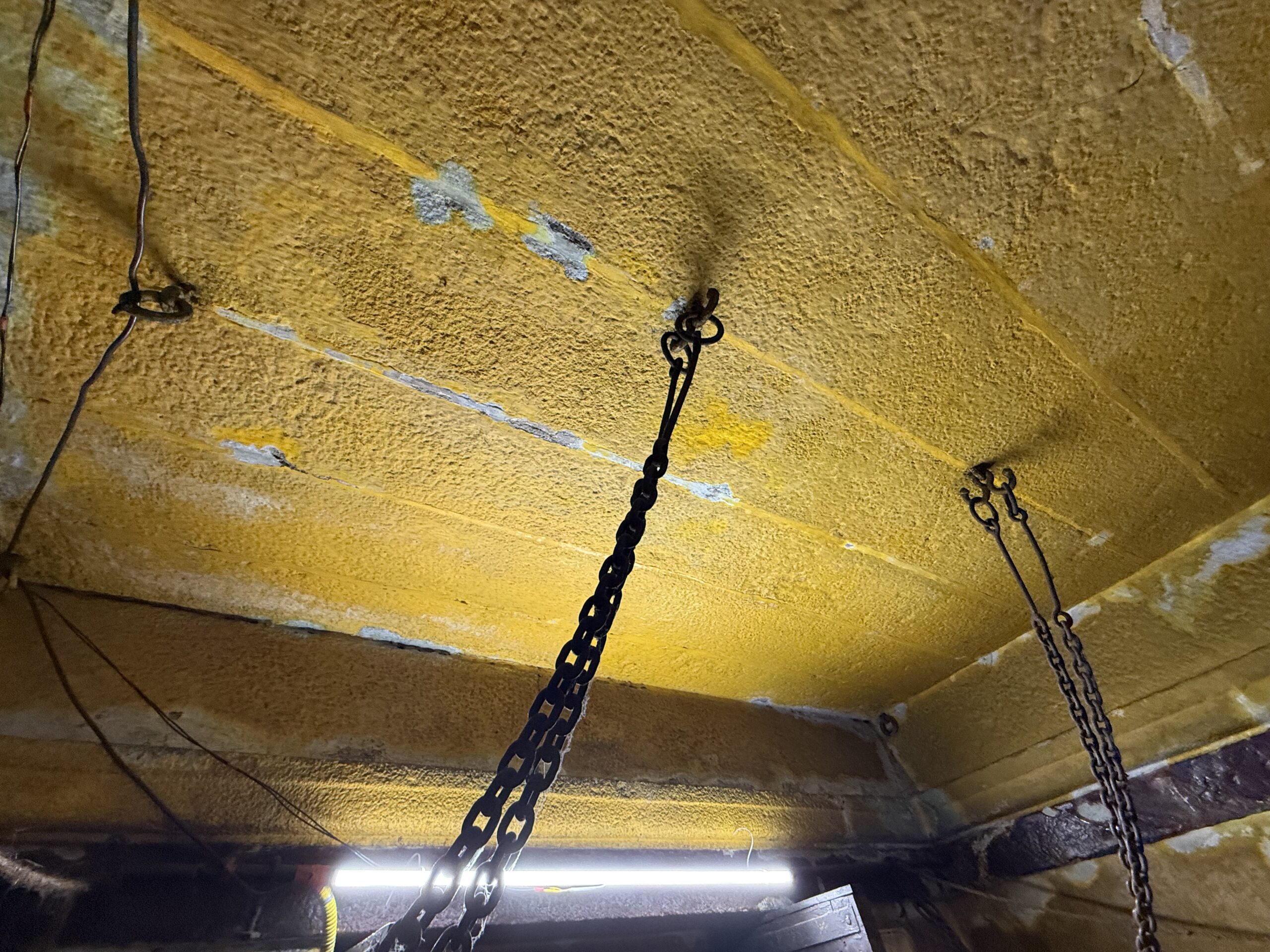
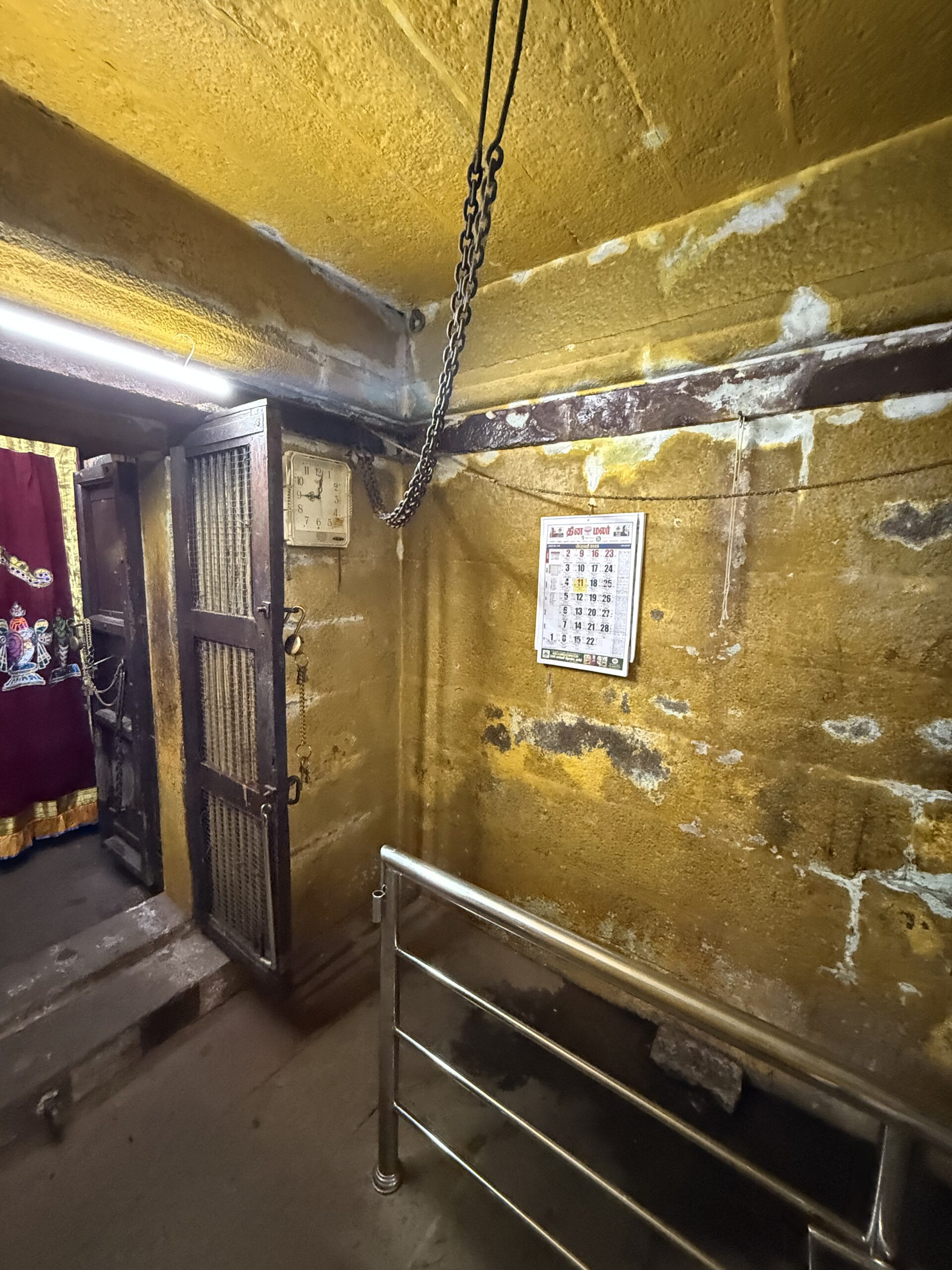
Our dedicated restoration efforts for Kāzhīsīrama Viṇṇagaram aim to preserve its rich spiritual heritage and architectural grandeur.
Structural Revitalization
We focus on reinforcing the temple’s structure, ensuring its stability for future generations.
Cultural Preservation
Our initiatives include preserving the temple’s cultural and historical significance through various spiritual and cultural programs.
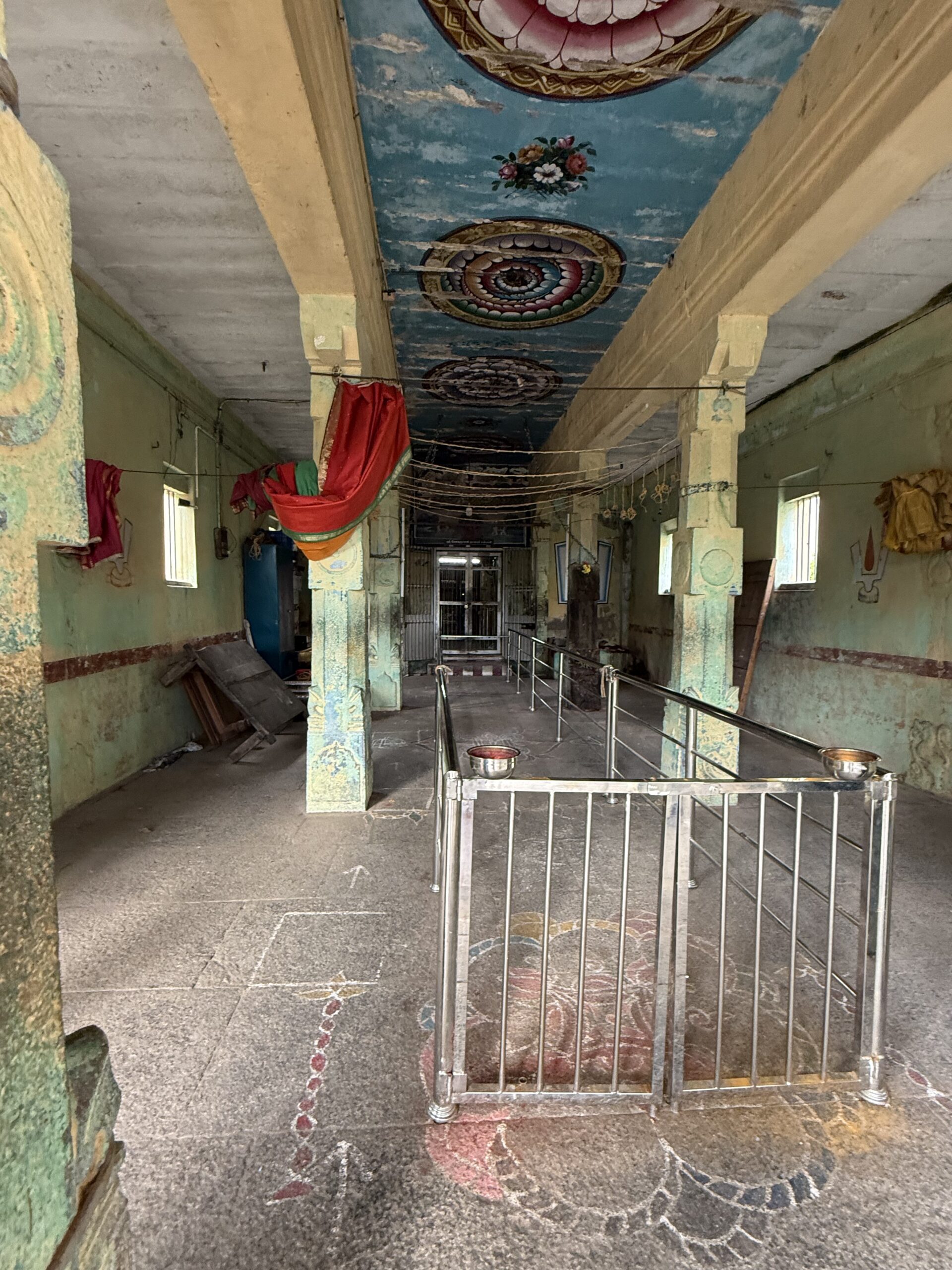
Artistic Preservation
Our projects focus on restoring the intricate architecture and art that adorn these sacred spaces, utilizing traditional techniques and practices.
Spiritual Renewal
By revitalizing these temples, we nurture their spiritual essence, ensuring they continue to inspire devotion and unity among all beings.
Community Engagement
Engaging the local community in restoration activities to foster a sense of ownership and pride.
Sustainability Measures
Implementing sustainable practices to maintain the temple’s environment and resources efficiently.
Sacred Shrines
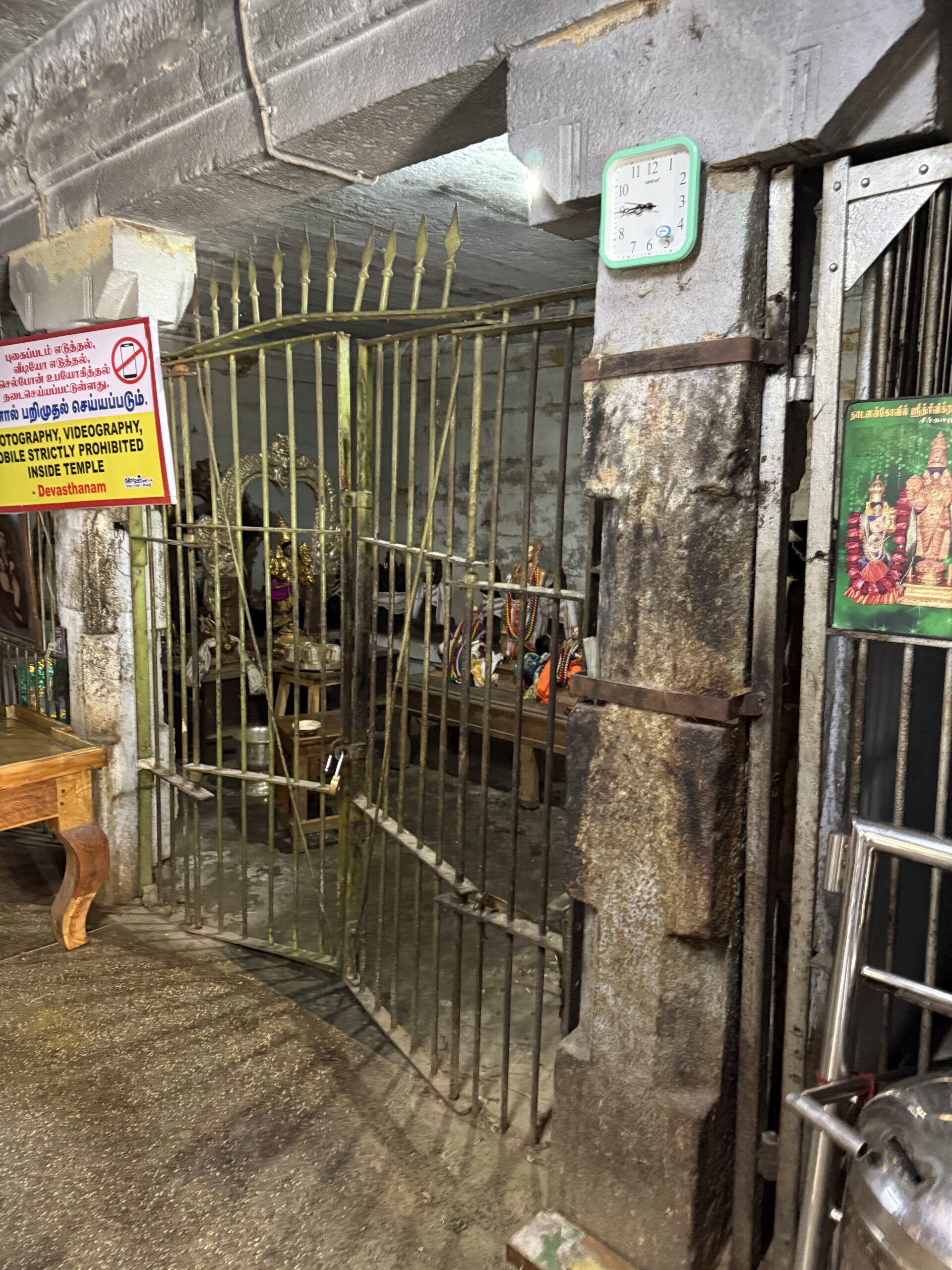
The temple houses several sacred sannidhis, each dedicated to a revered deity, offering a unique spiritual experience.
Mūlavar Sannidhi – Trivikrama Nārāyaṇa Perumāḷ
Viṣṇu as Trivikrama standing with left leg raised to the sky, facing east. The Main sanctum.
Utsava mūrti (processional) known as Tādālan. Only the left foot of the Main deity is visible most of the year; the right foot is revealed to devotees on the day of Vaikuṇṭa Ekādaśī.
Tāyār Sannidhi – Loganāyaki (Lokanāyaki) Tāyār
Śrī Mahalakṣmī as Loganāyaki.
In the south-western corner of the first prakāram, around the main sanctum.
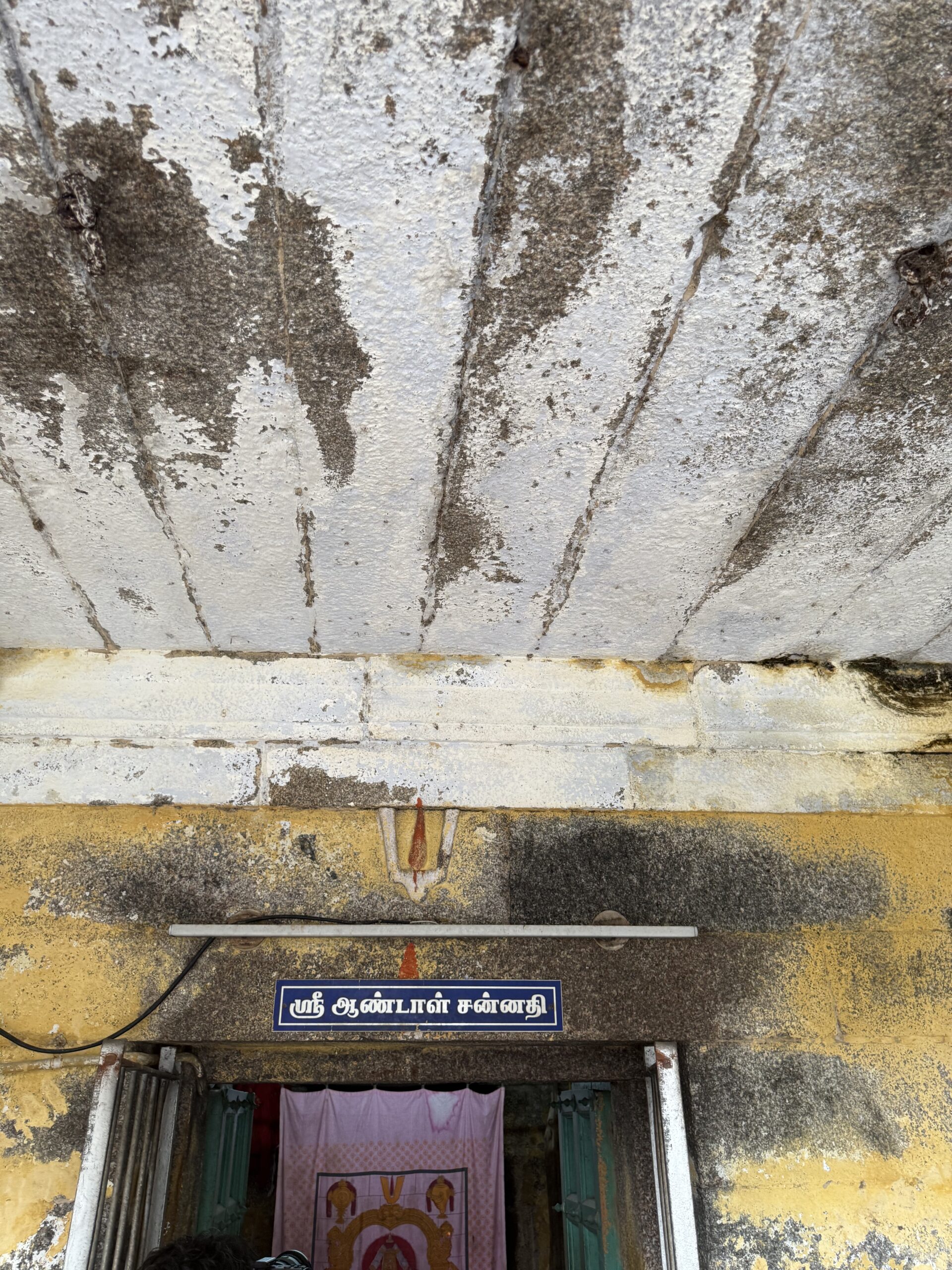
Āṇḍāl Sannidhi
Śrī Āṇḍāl (Gōdā Devī)/Bhū Devī.
In the North-western corner inner prakāram.
Garuḍa Sannidhi
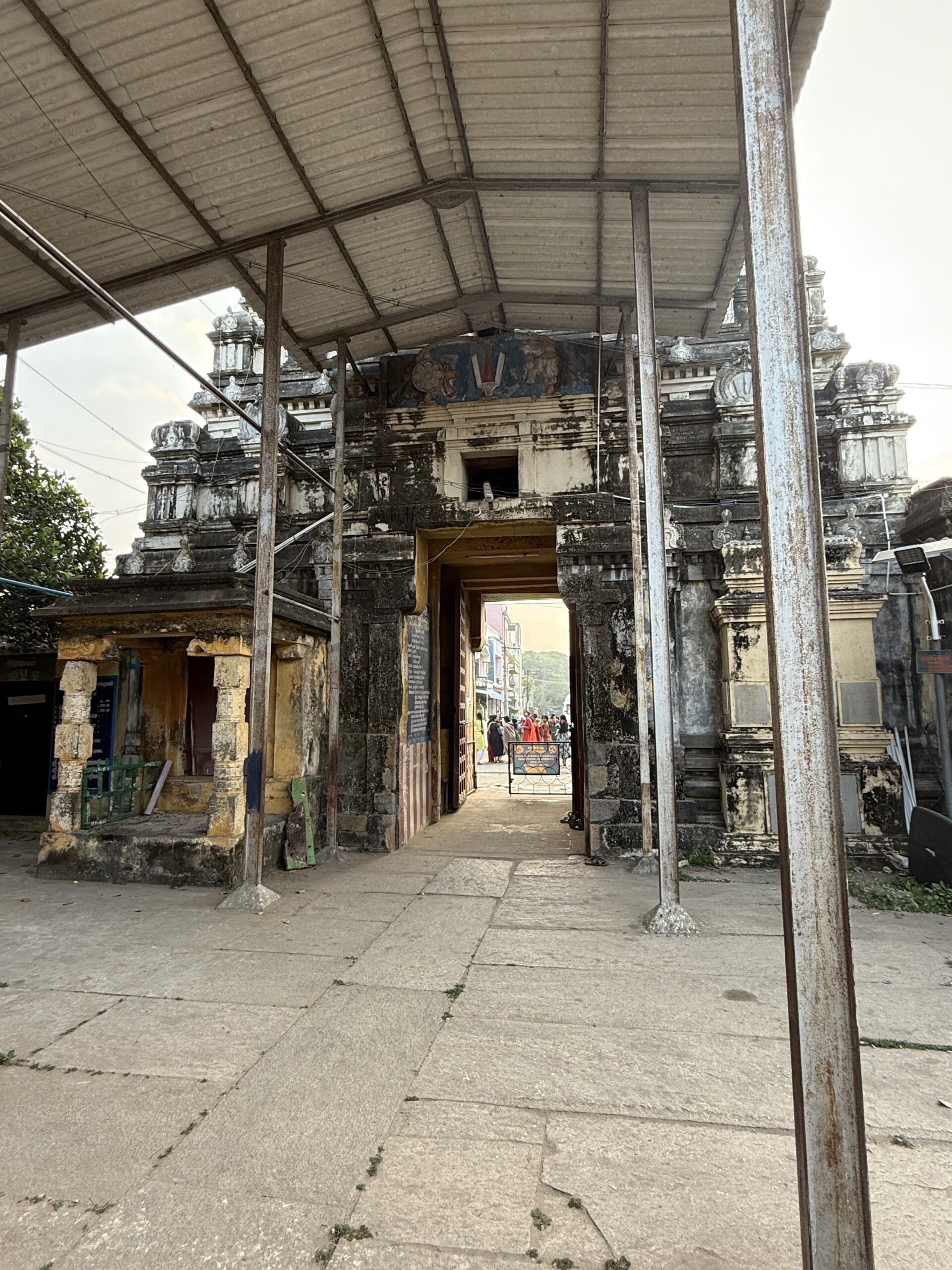
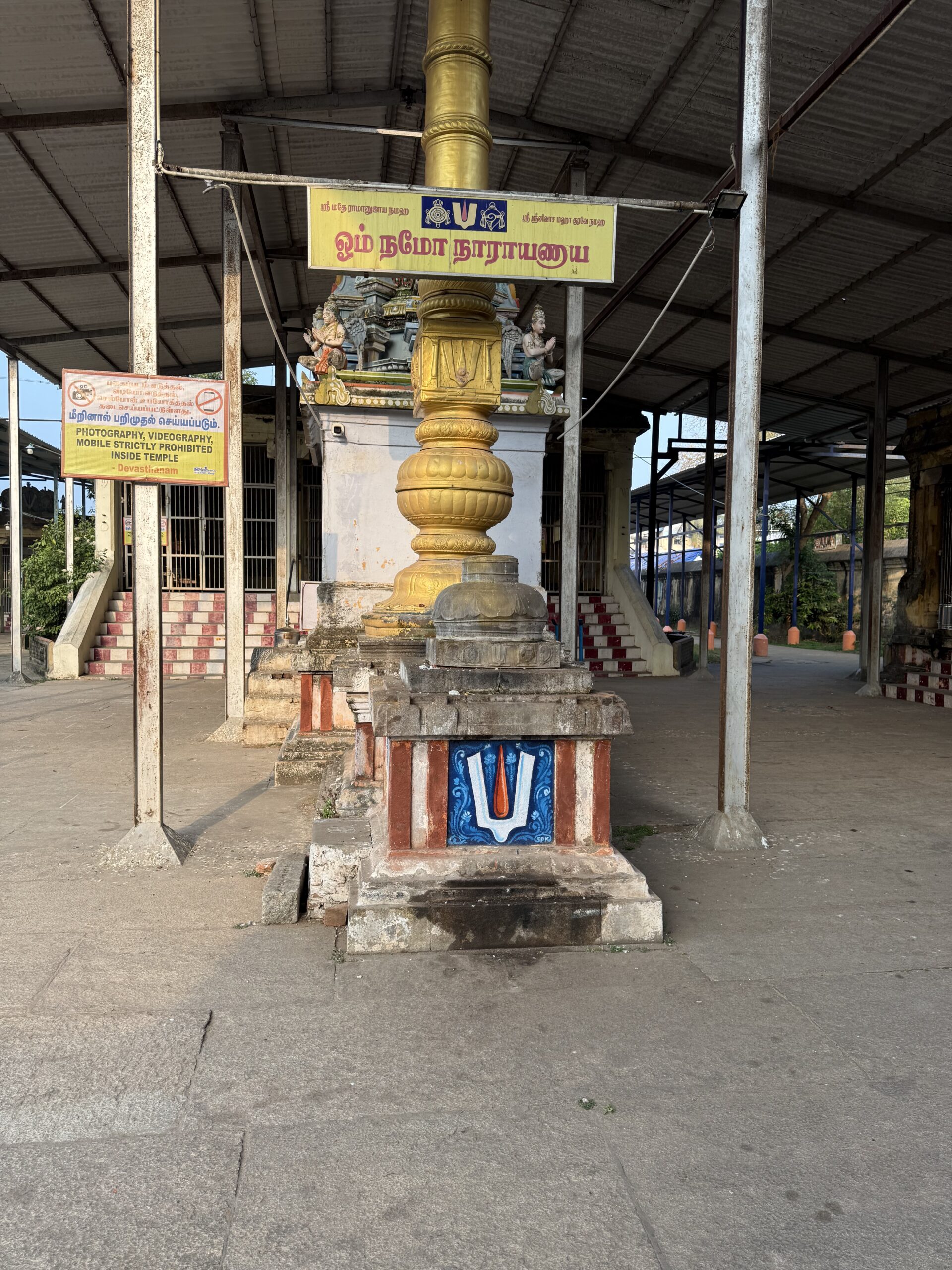
Śrī Garuḍa (Periya Tiruvadi), vehicle of Viṣṇu. On axis soon after entering the rājagopuram, in front of the dvaja-stambha and bali-pīḍam, under a covered maṇḍapam.
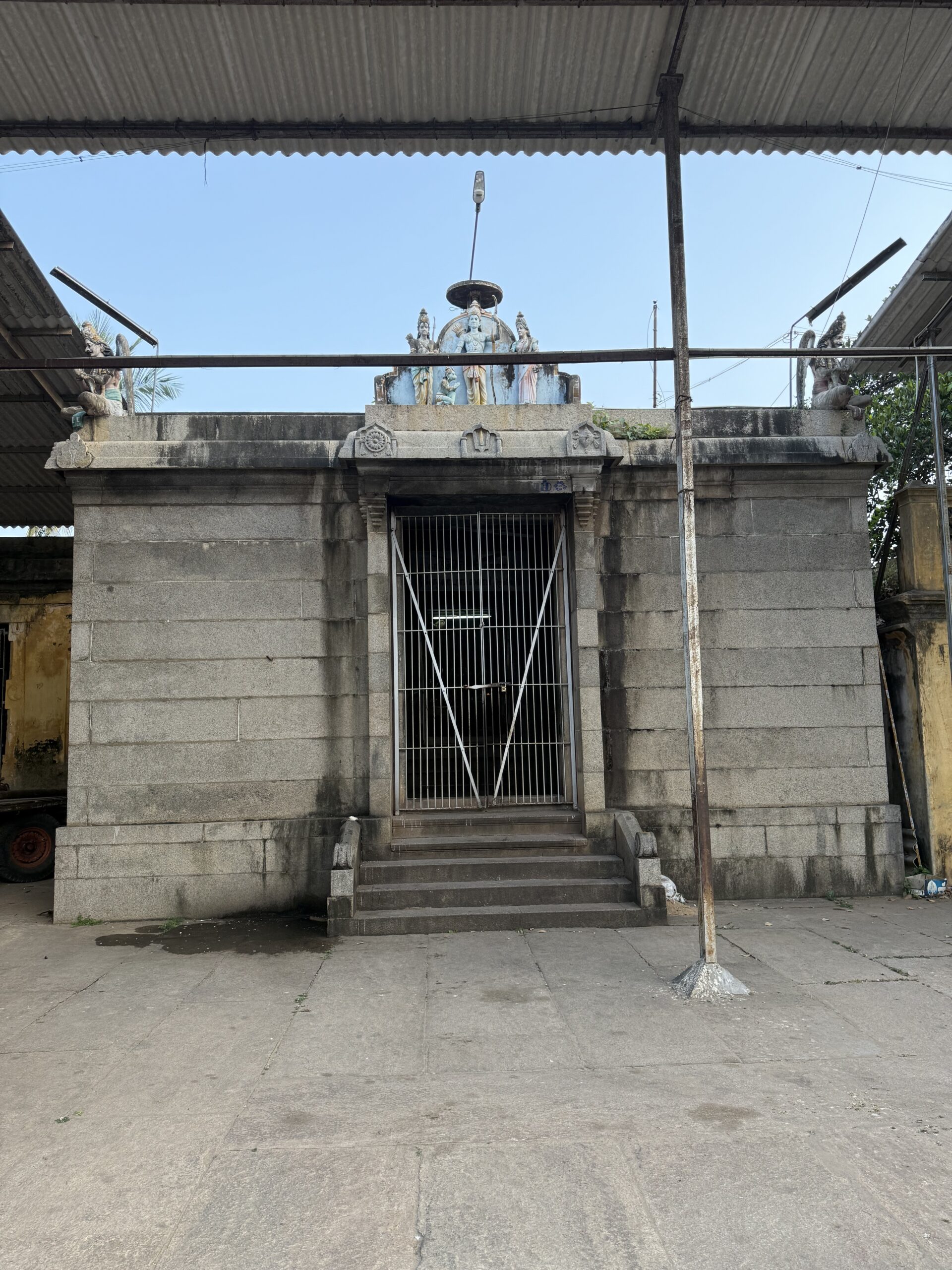
Śrī Rāma / Kodaṇḍa Rāma Sannidhi
: Śrī Rāma (often described as or Koṭṭaṇḍa Rāma, bow-bearing form). In north part of the grounds in the prakāram.
Maṇavāḷa Māmuṉigaḷ Sannidhi
Śrī Maṇavāḷa Māmuṉigaḷ, pre-eminent Śrī Vaiṣṇava ācārya of the Tenkalai tradition. In the northeast part of the prakāram.
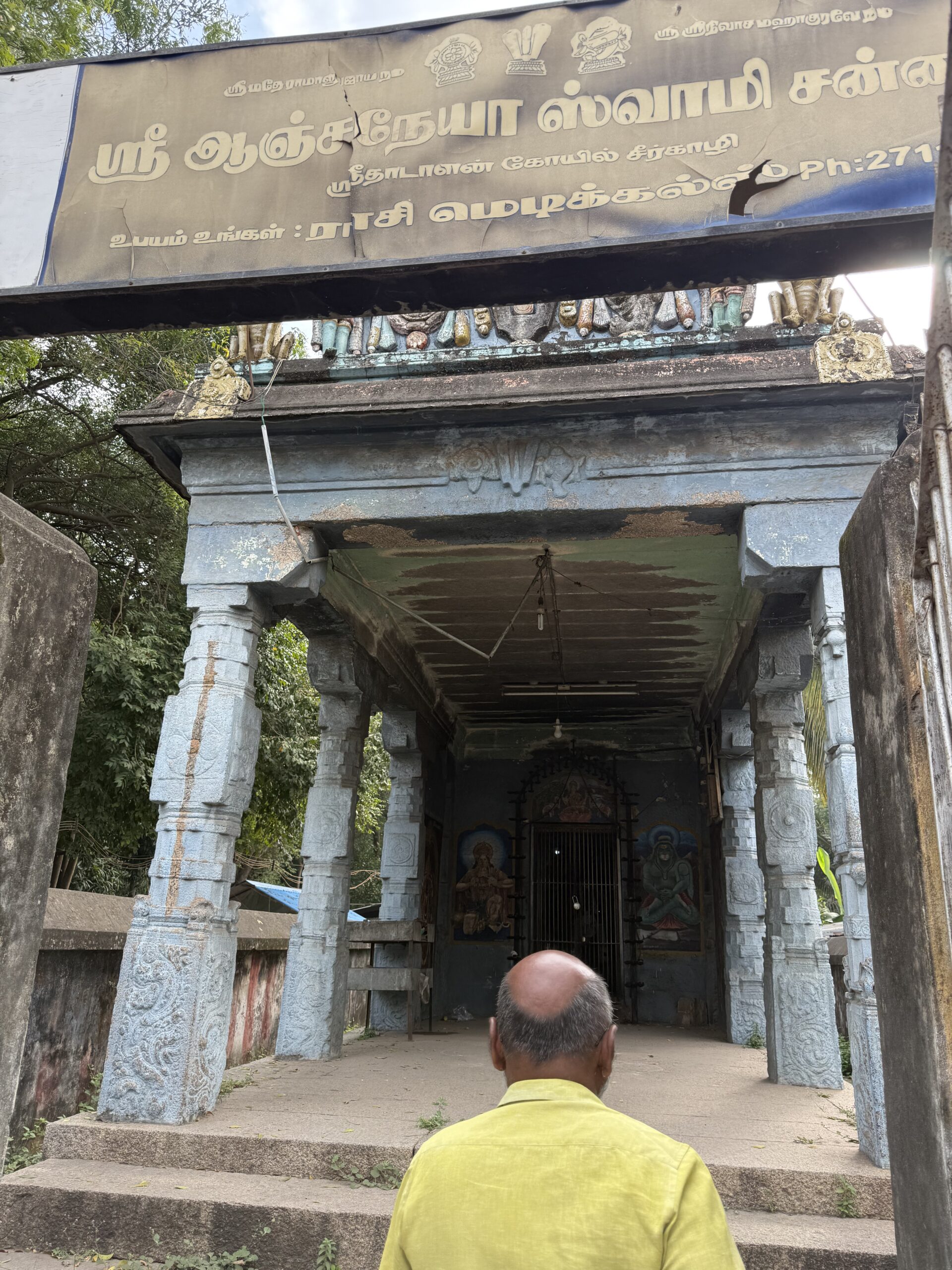
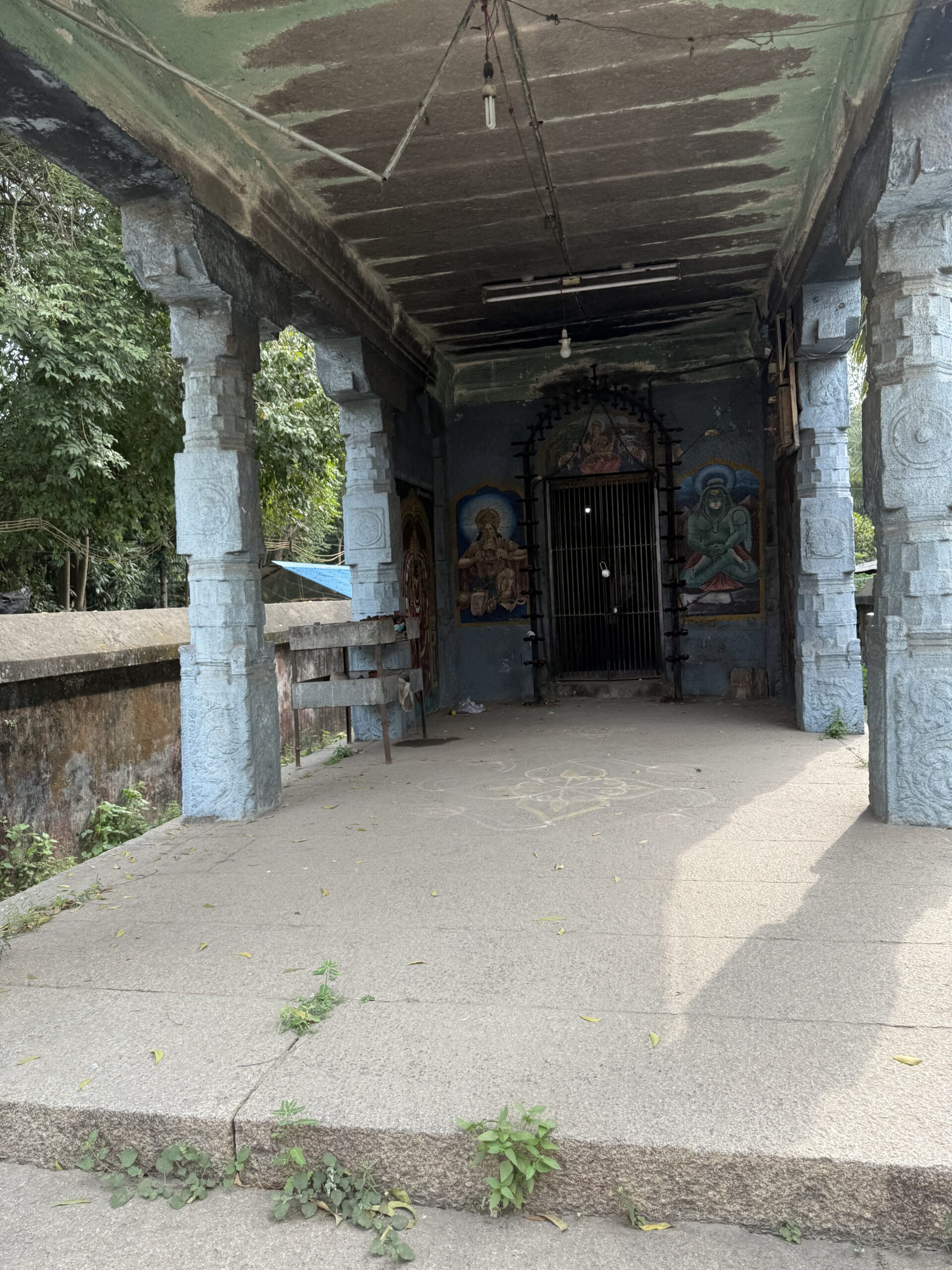
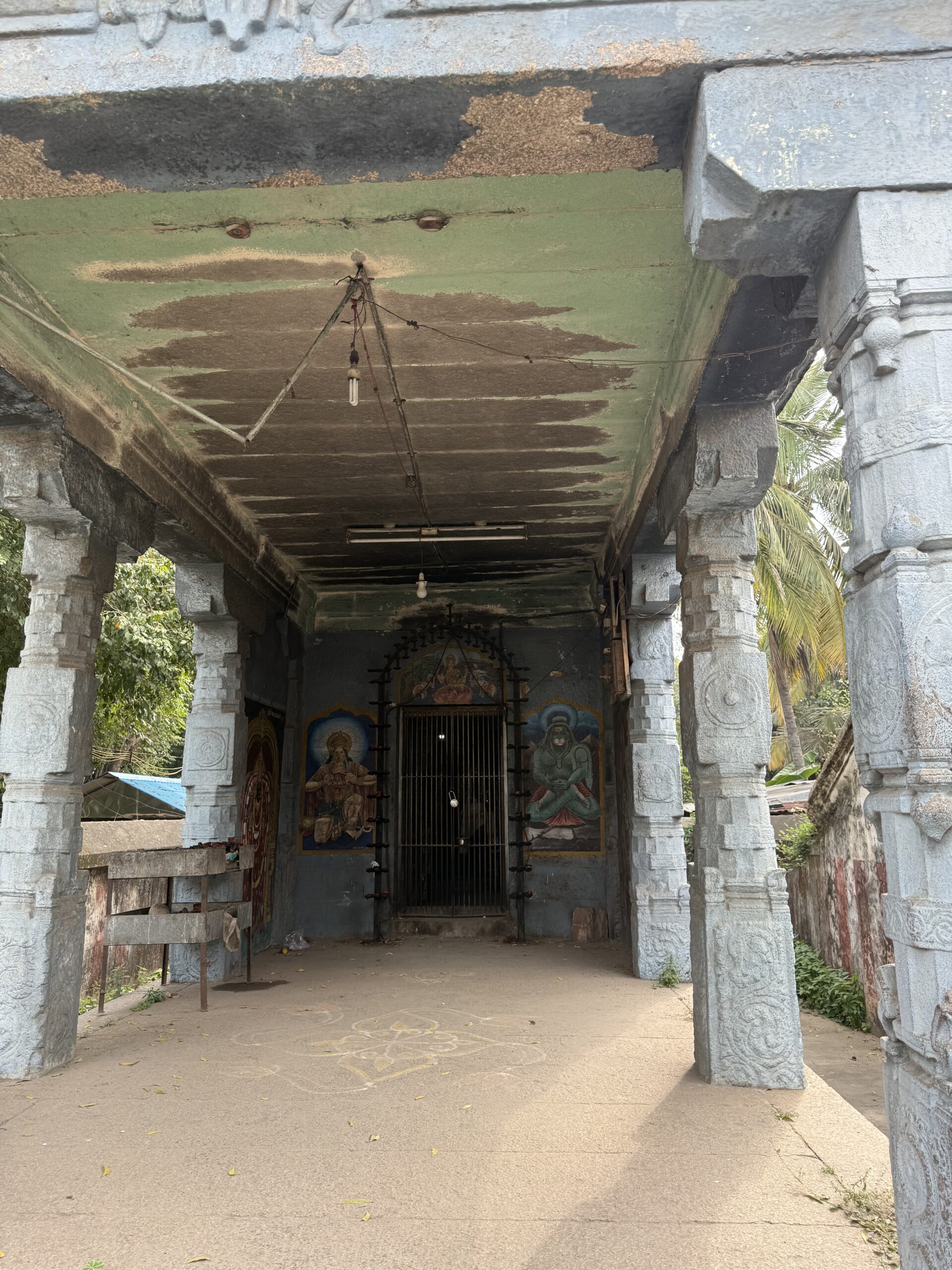
Añjaneya (Hanumān)
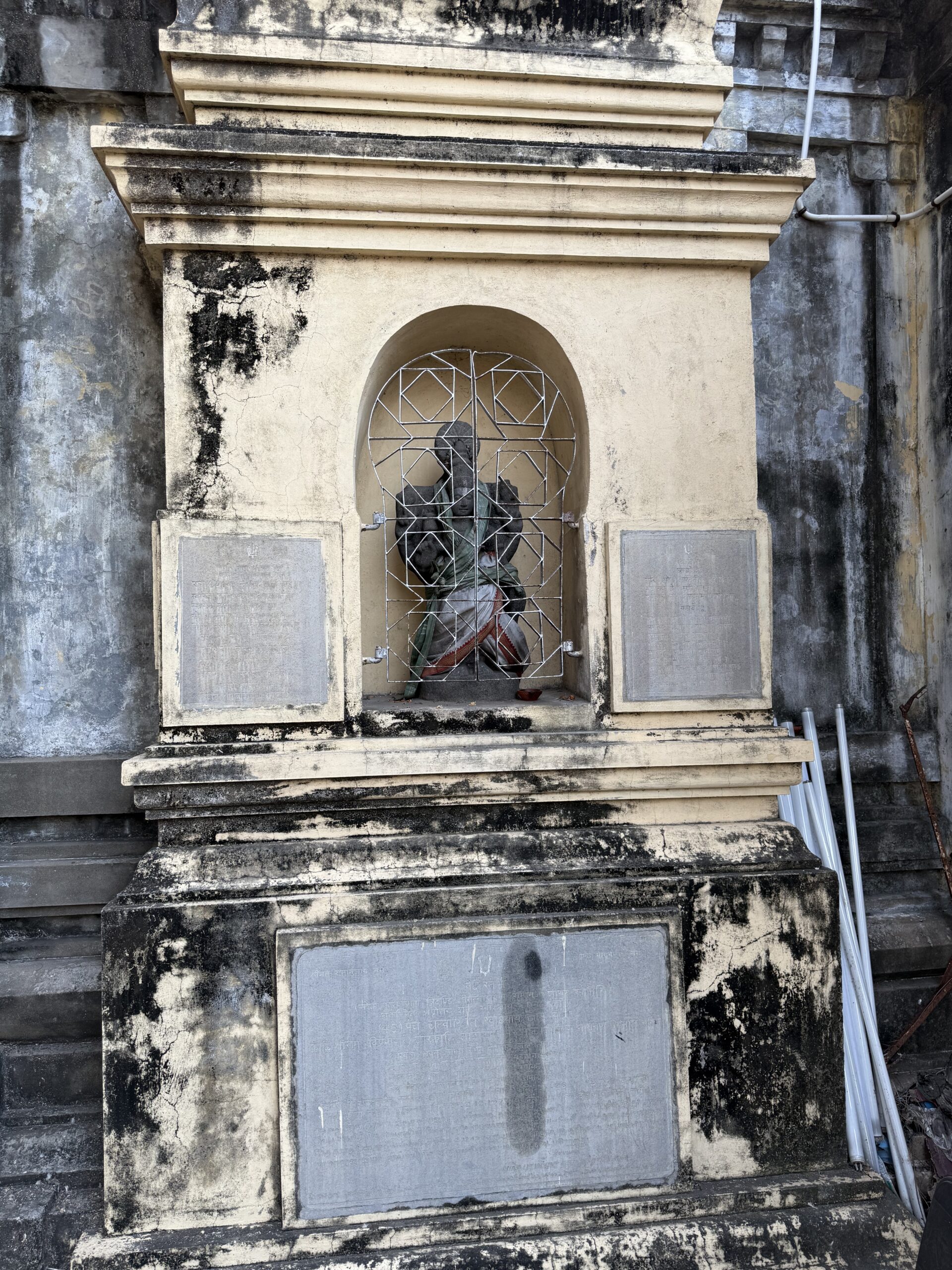
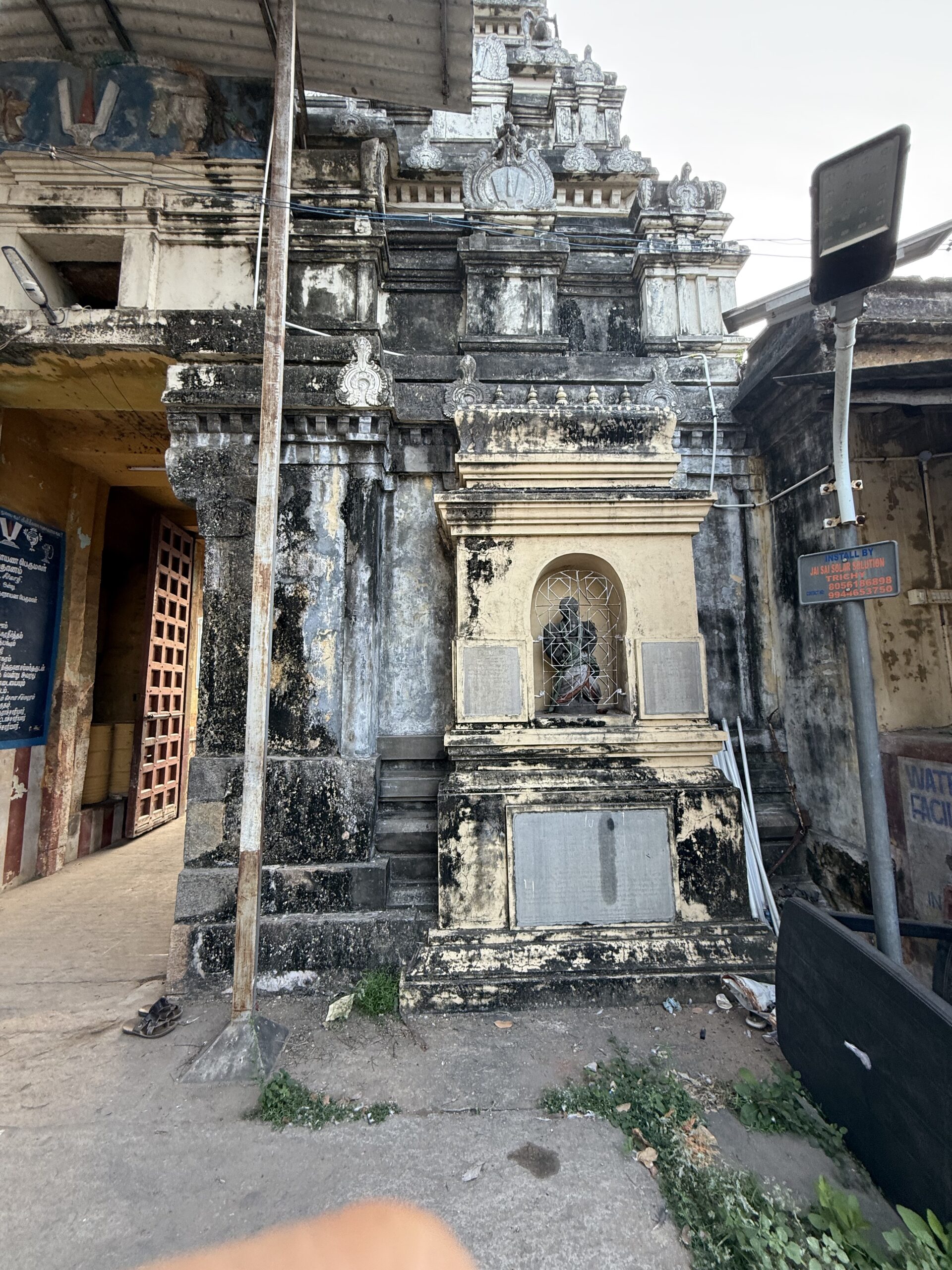
Near the entrance within the wall of prakāram.
Key Elements of Restoration
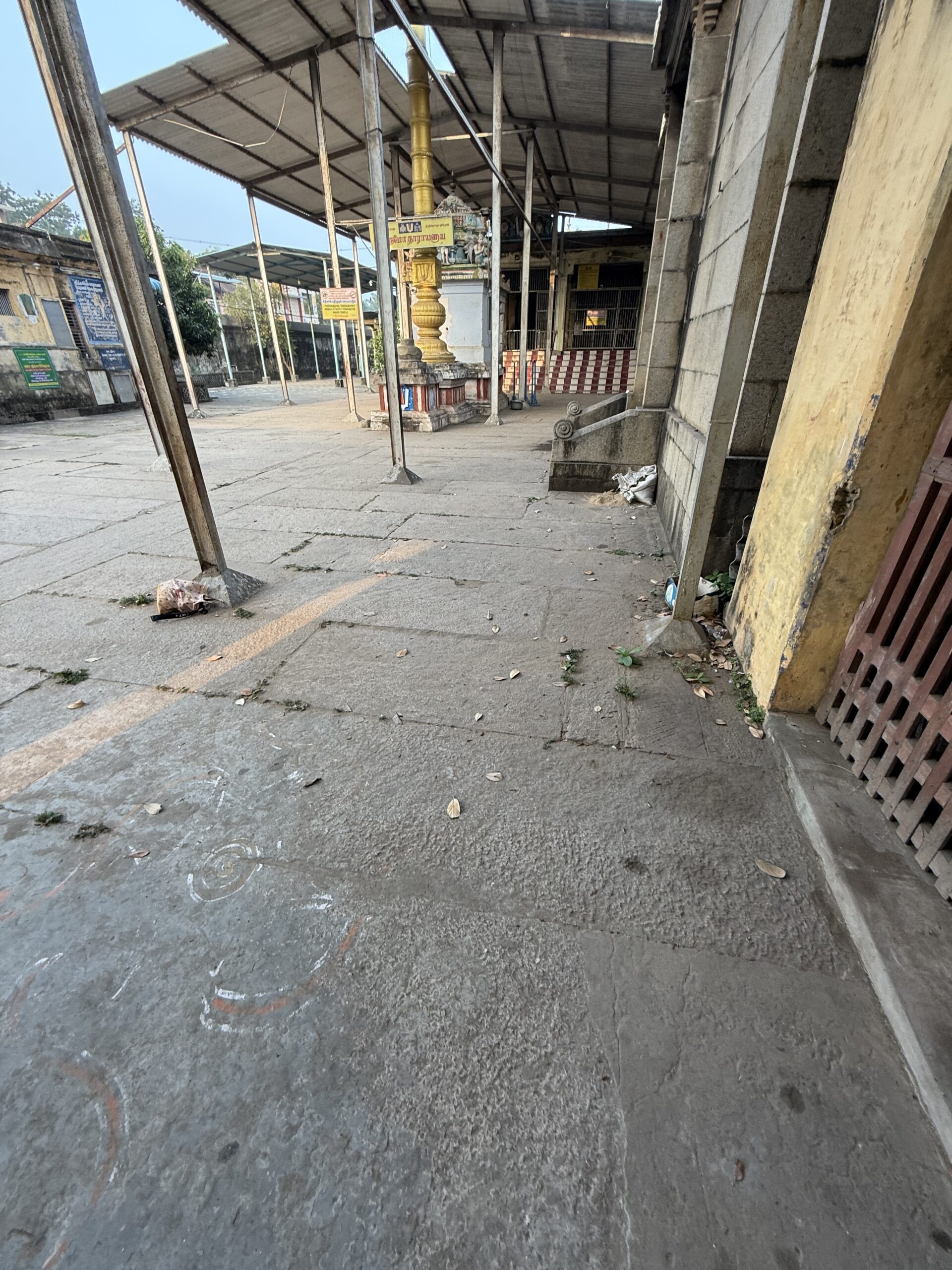
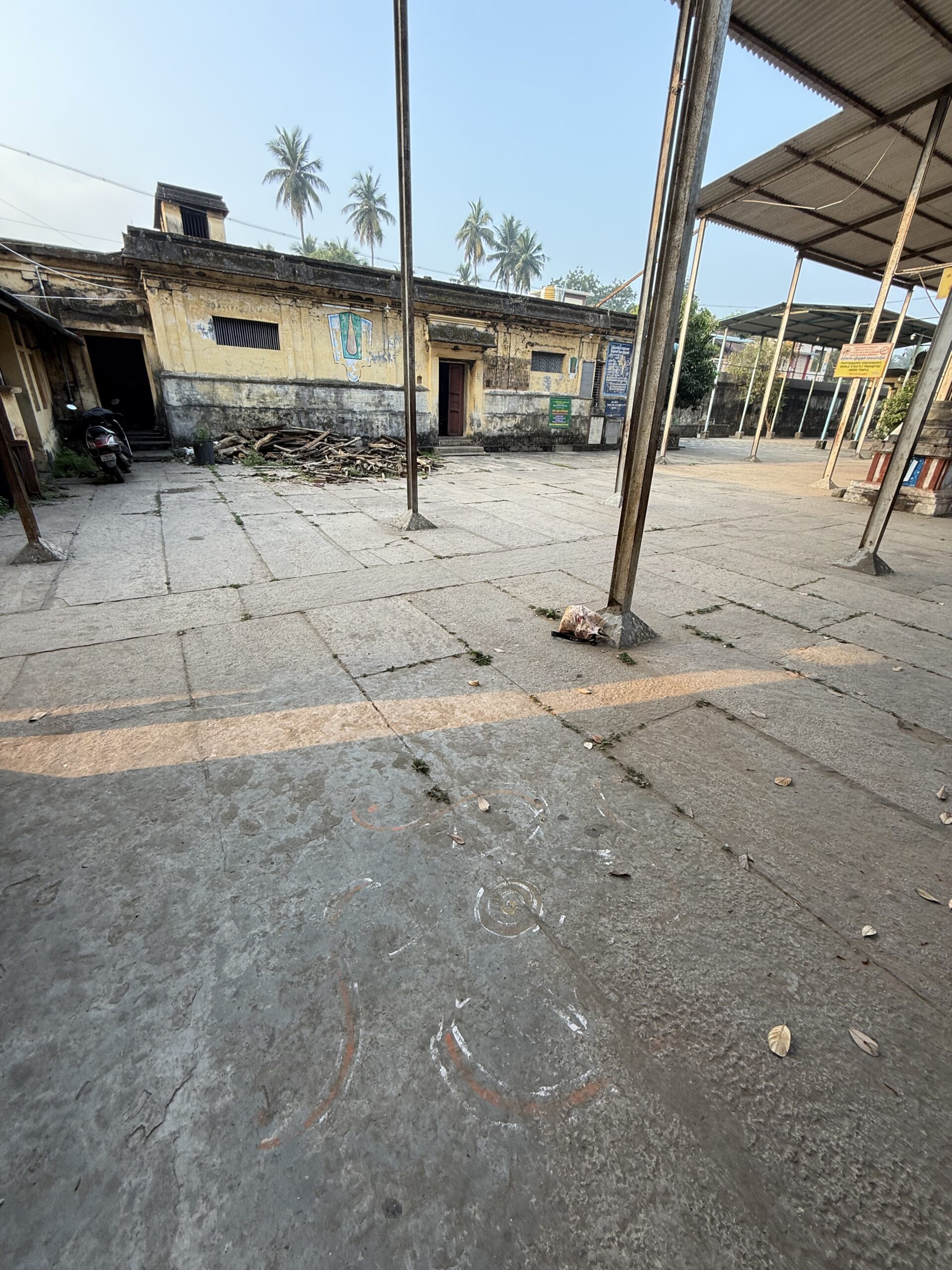
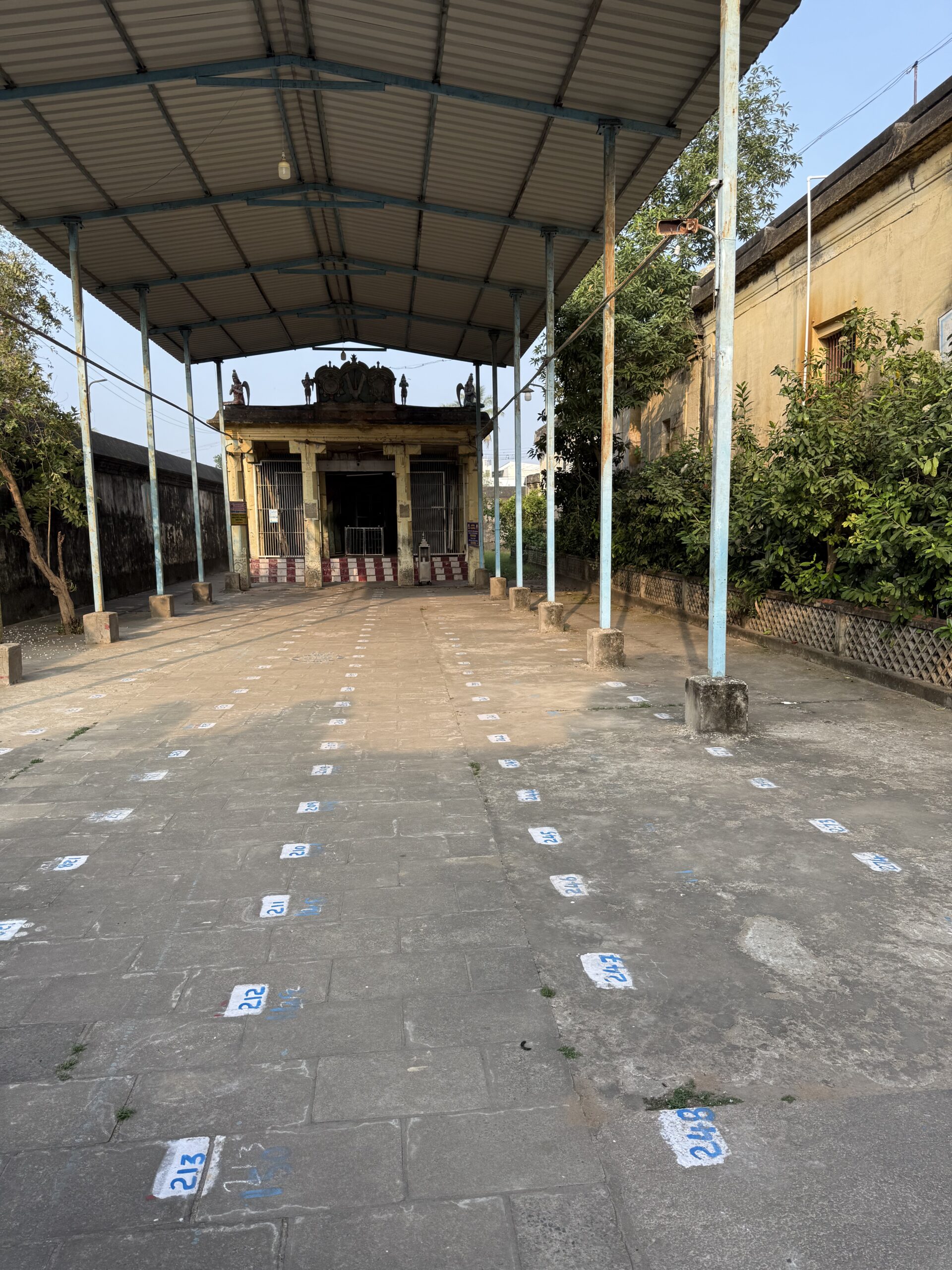
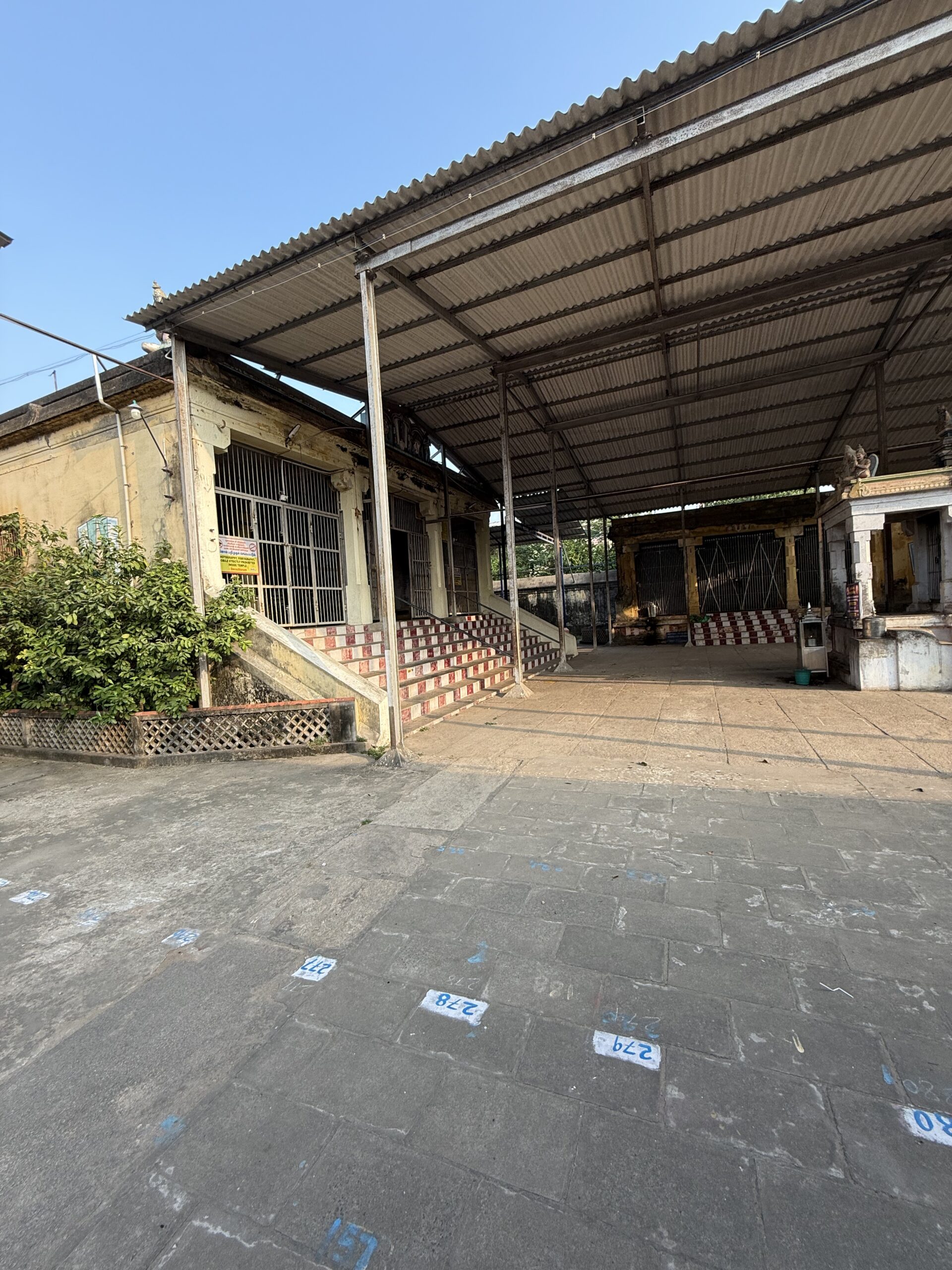
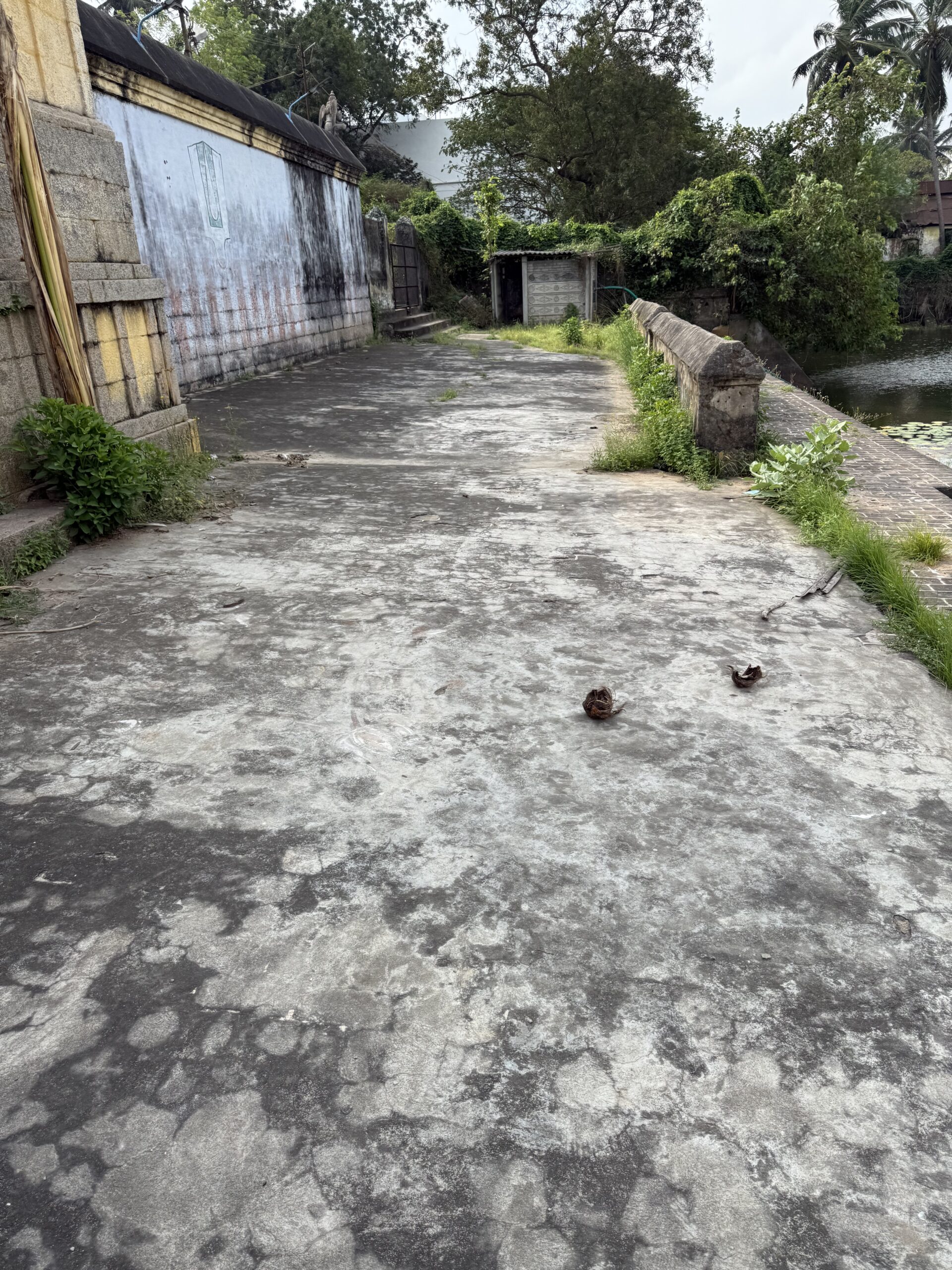
External flooring
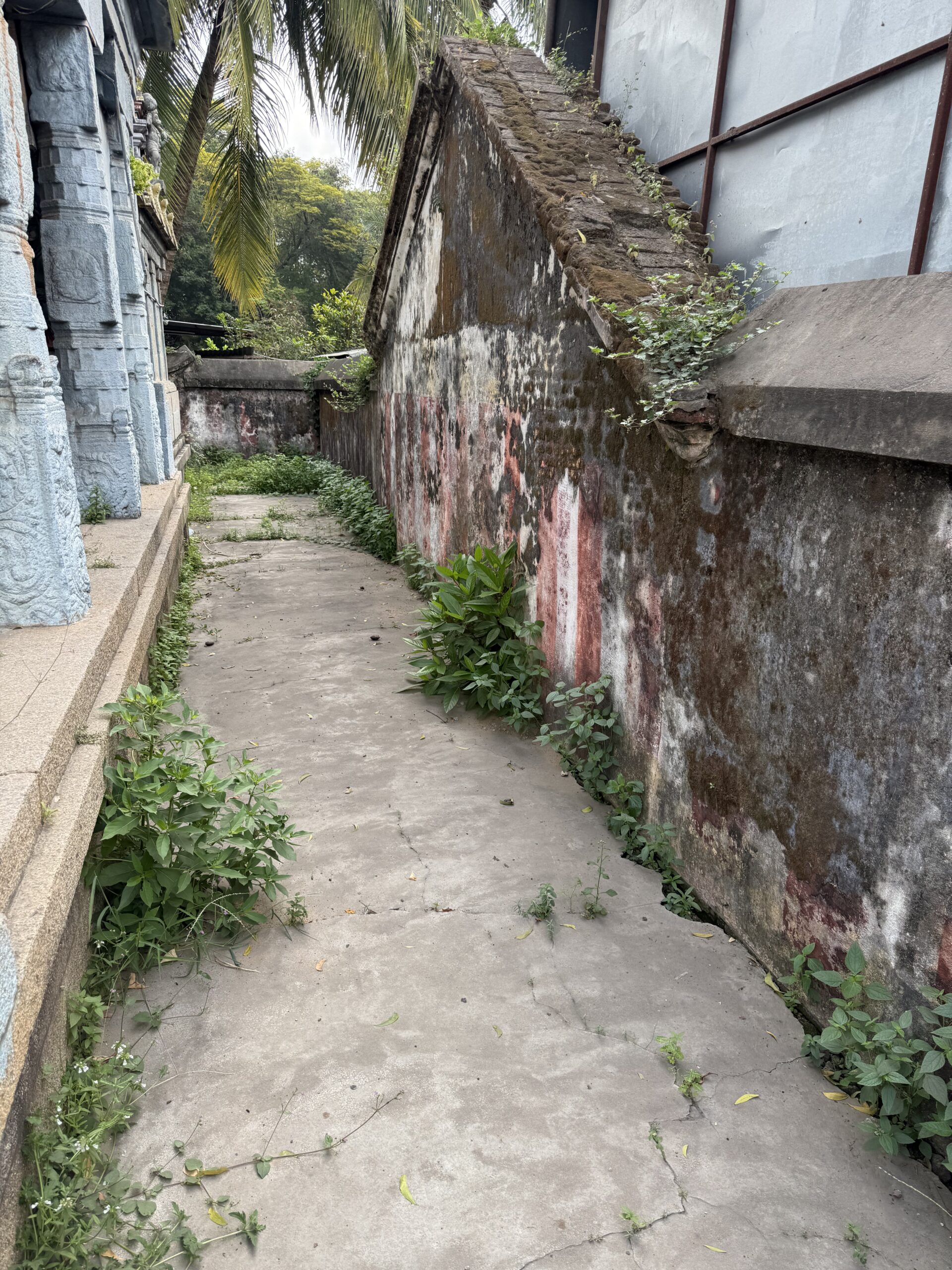
- Removal of existing flooring which is a combination of cement mortar floor, concrete and stone floor with different stones
- Removal of the existing flooring and prepare propose base course for laying of stone flooring (Granite) cut to sizes as required (3 x 2’ / 4 x 2’)
- Stones to be procured with different thickness ranging between 2 and 3 inches from suppliers with finish having a combination of honed finish, flamed and hammered depending on location and usage
- Surface preparation and laying the stones to minimal slope for natural draining towards the drains followed by pointing of floor joints using cement mortar
- Designing and constructing proper rain water discharge drains to collection point / theppakulam as appropriate
Refurbishment of building
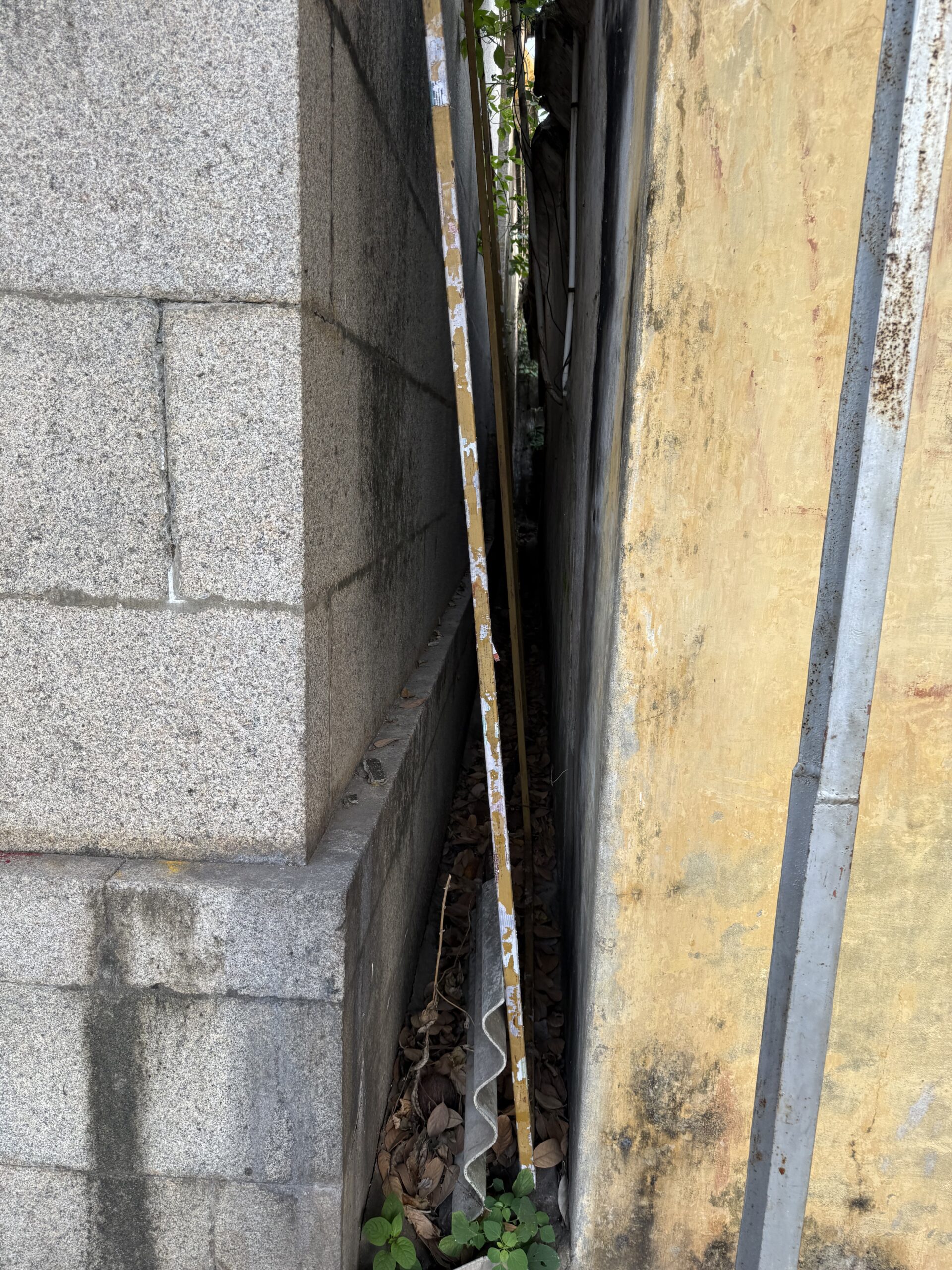
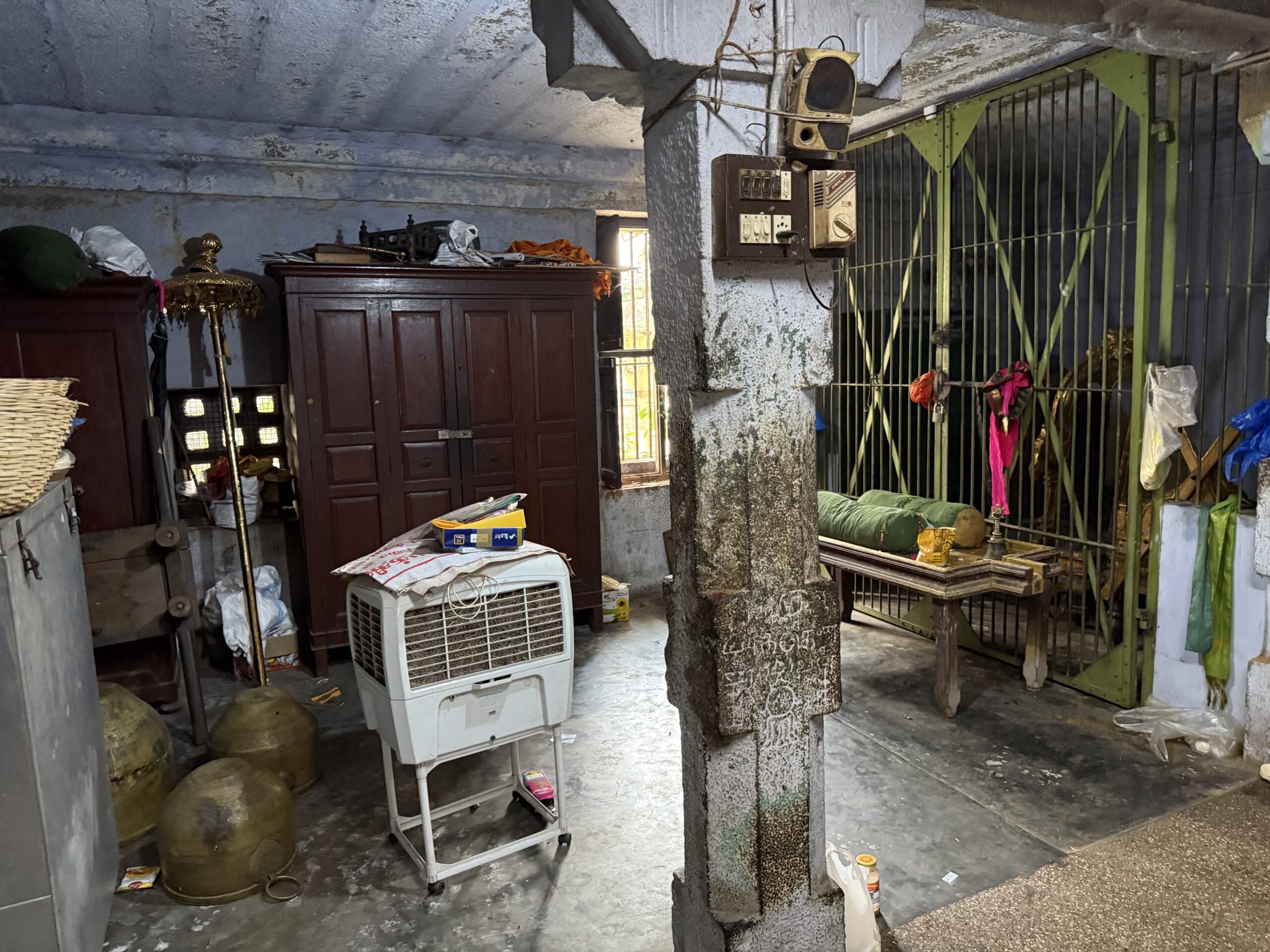
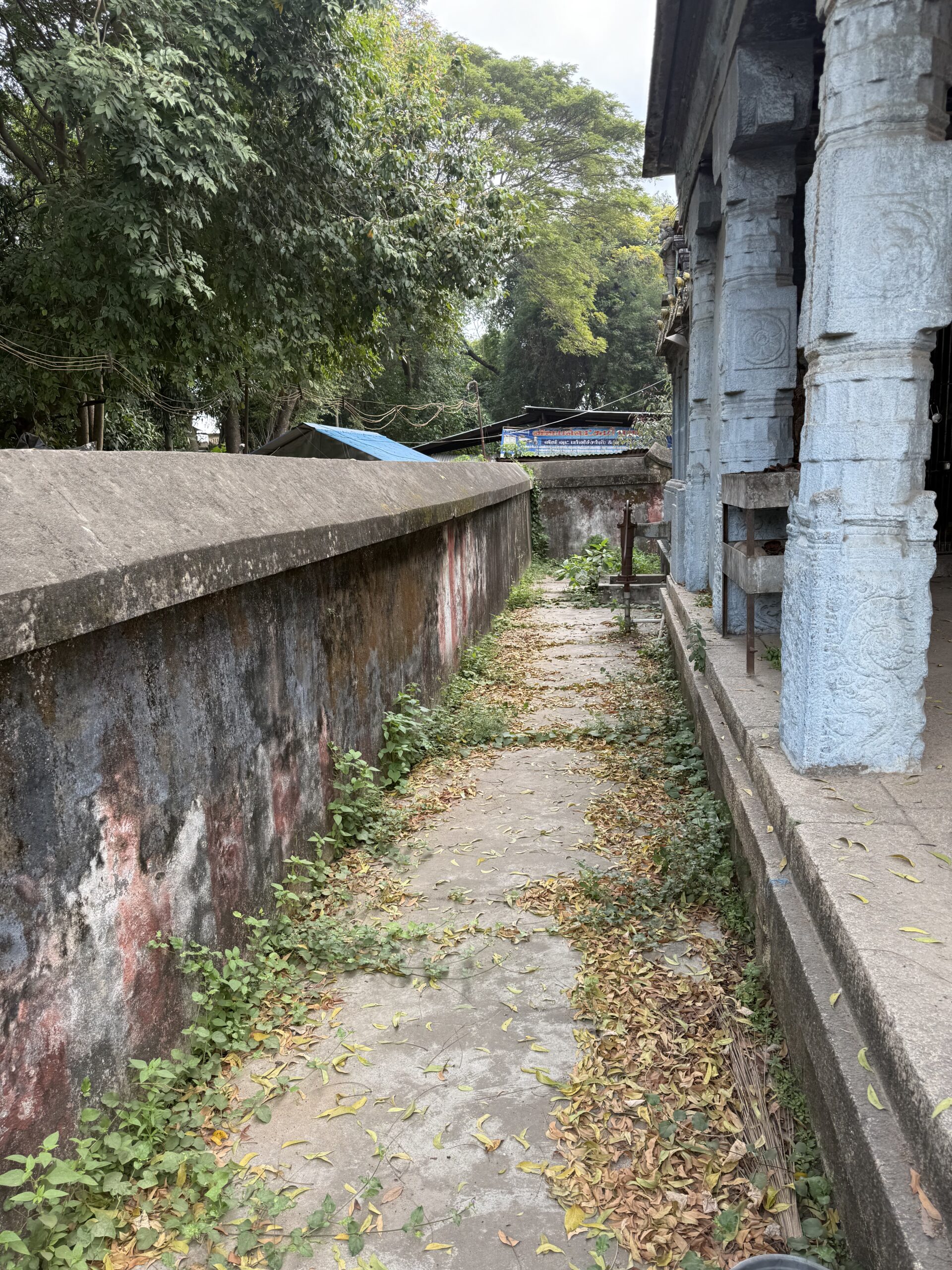
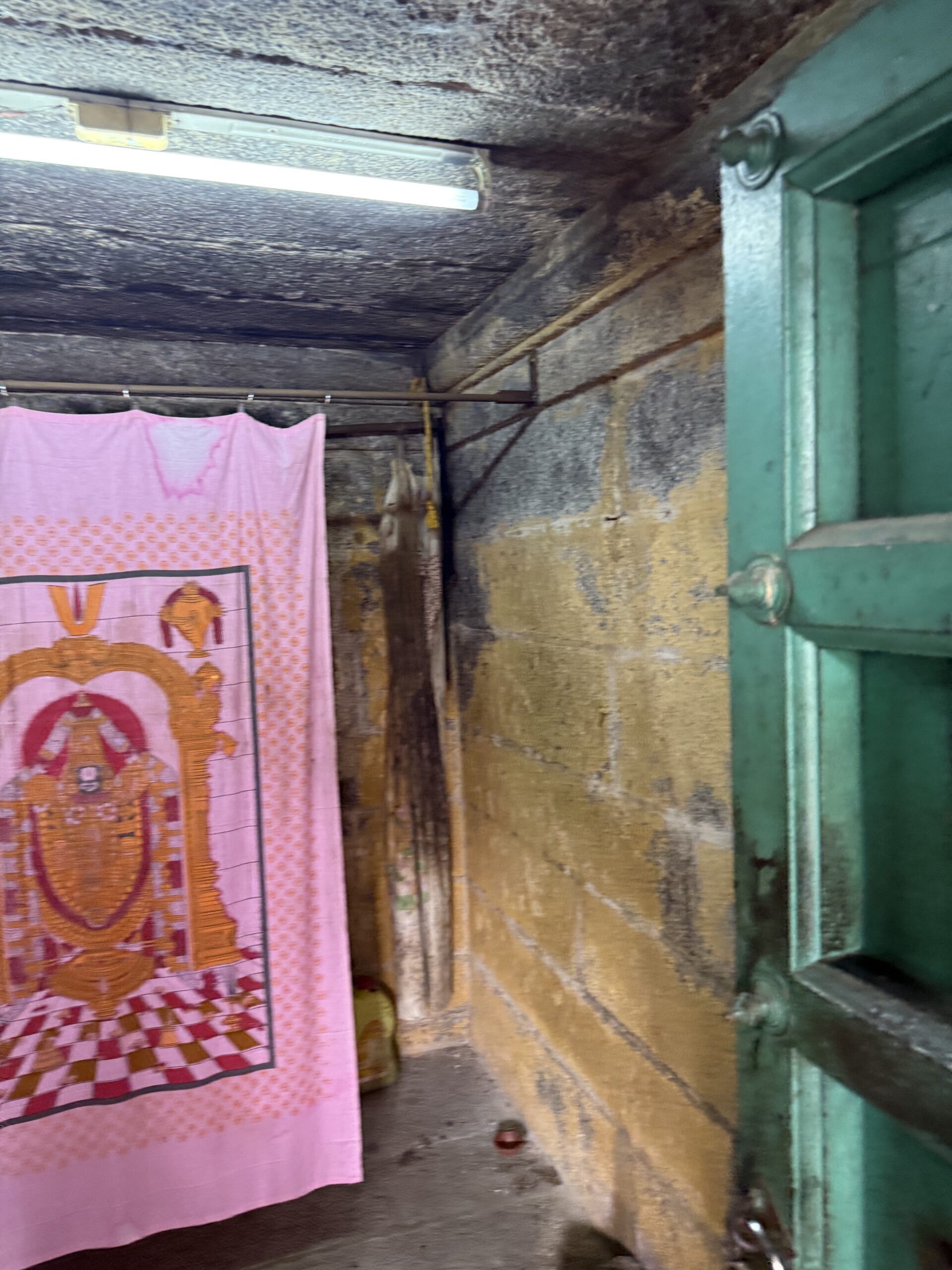
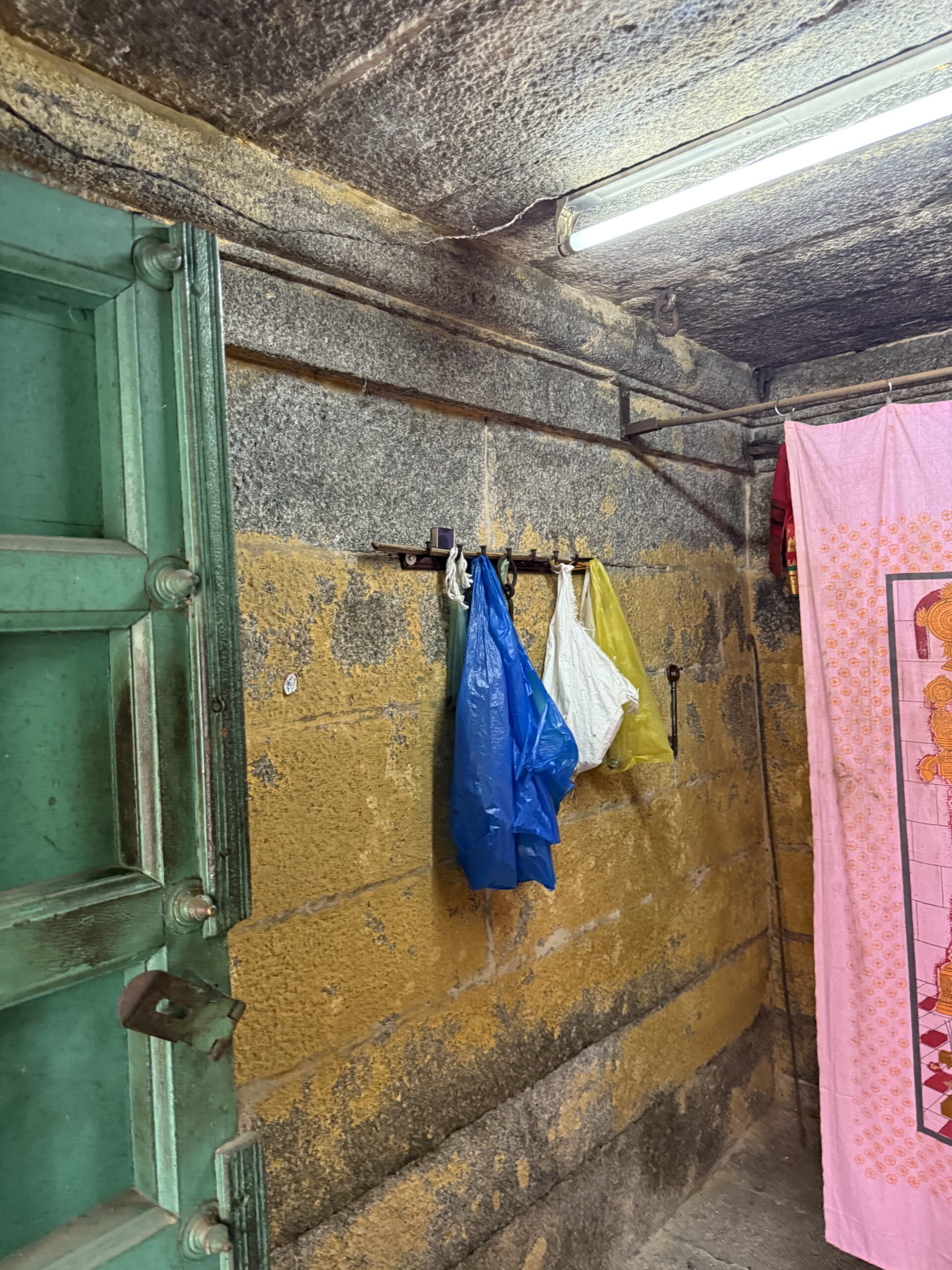
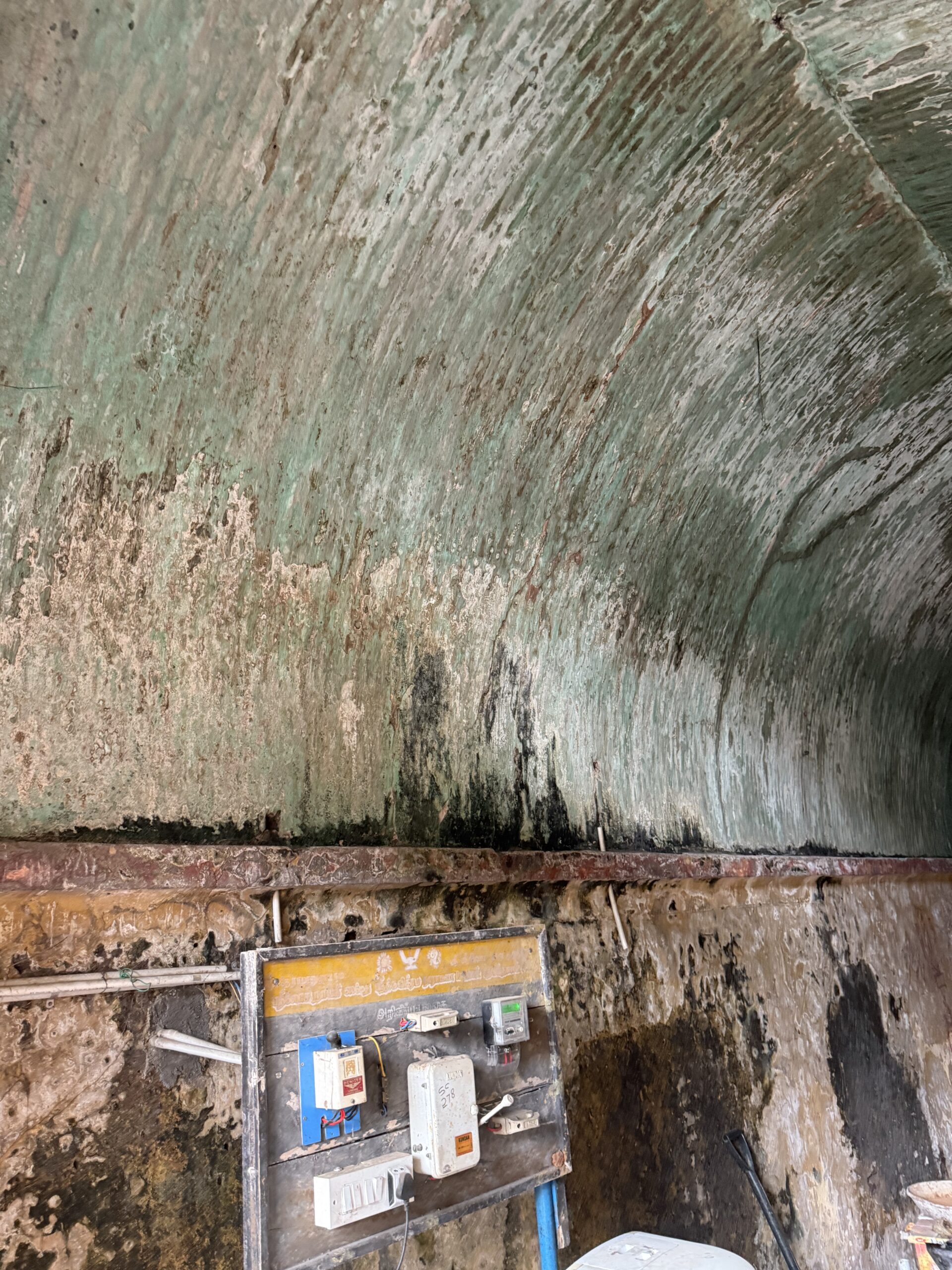
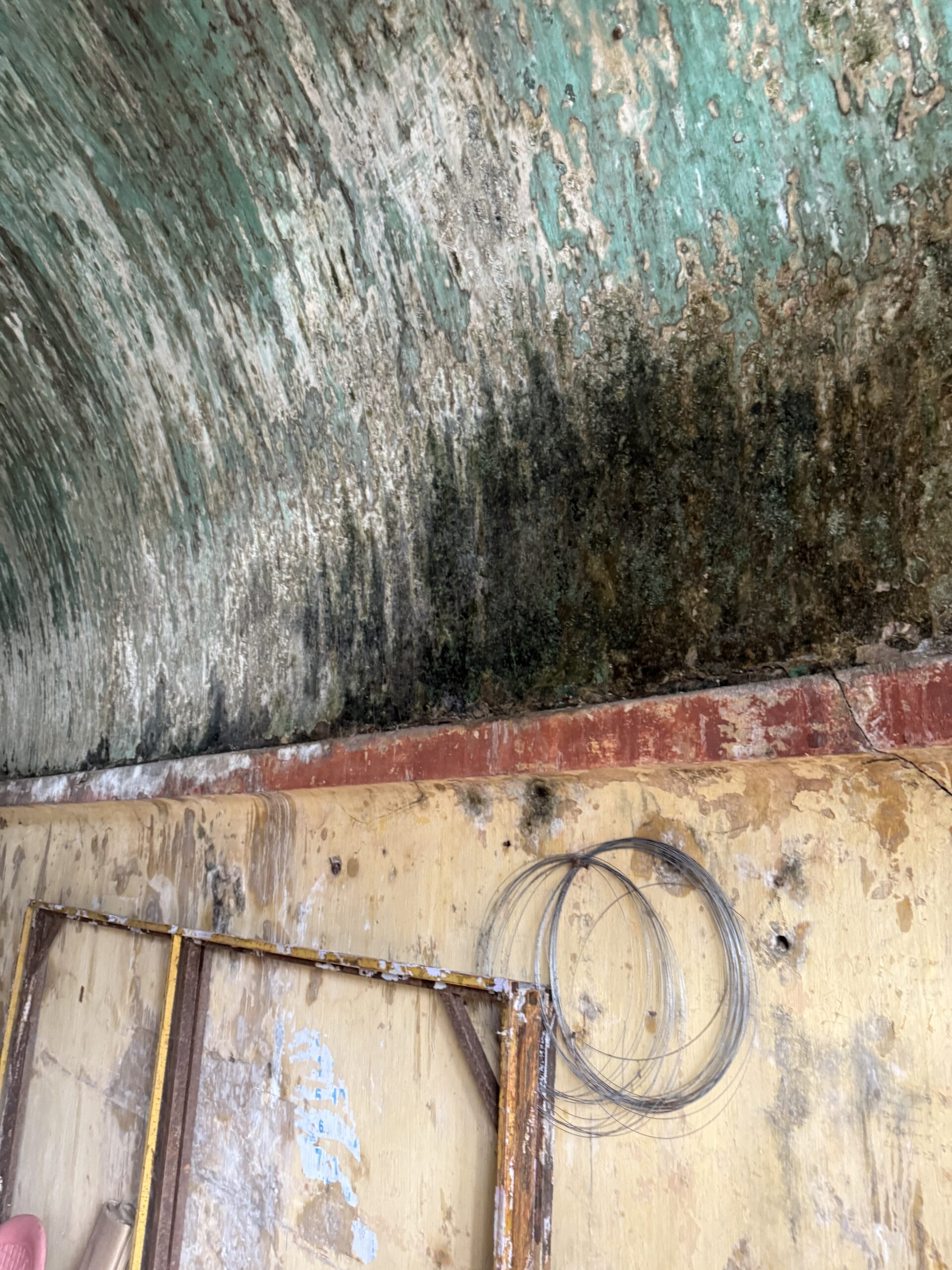
- Existing stone structure is damaged because of vegetation, algae growth. This needs to be removed carefully and proper sealing with lime mortar as stipulated by the guidelines of the HR&CE Department.
- Refurbishment of Sannidhi Vimanas.
- Brick masonry damaged that needs cleaning, cement mortar pointing to joints and plaster works followed by acrylic emulsion painting Pancha varna painting to be applied to external walls after proper scraping of loose material and surface preparation
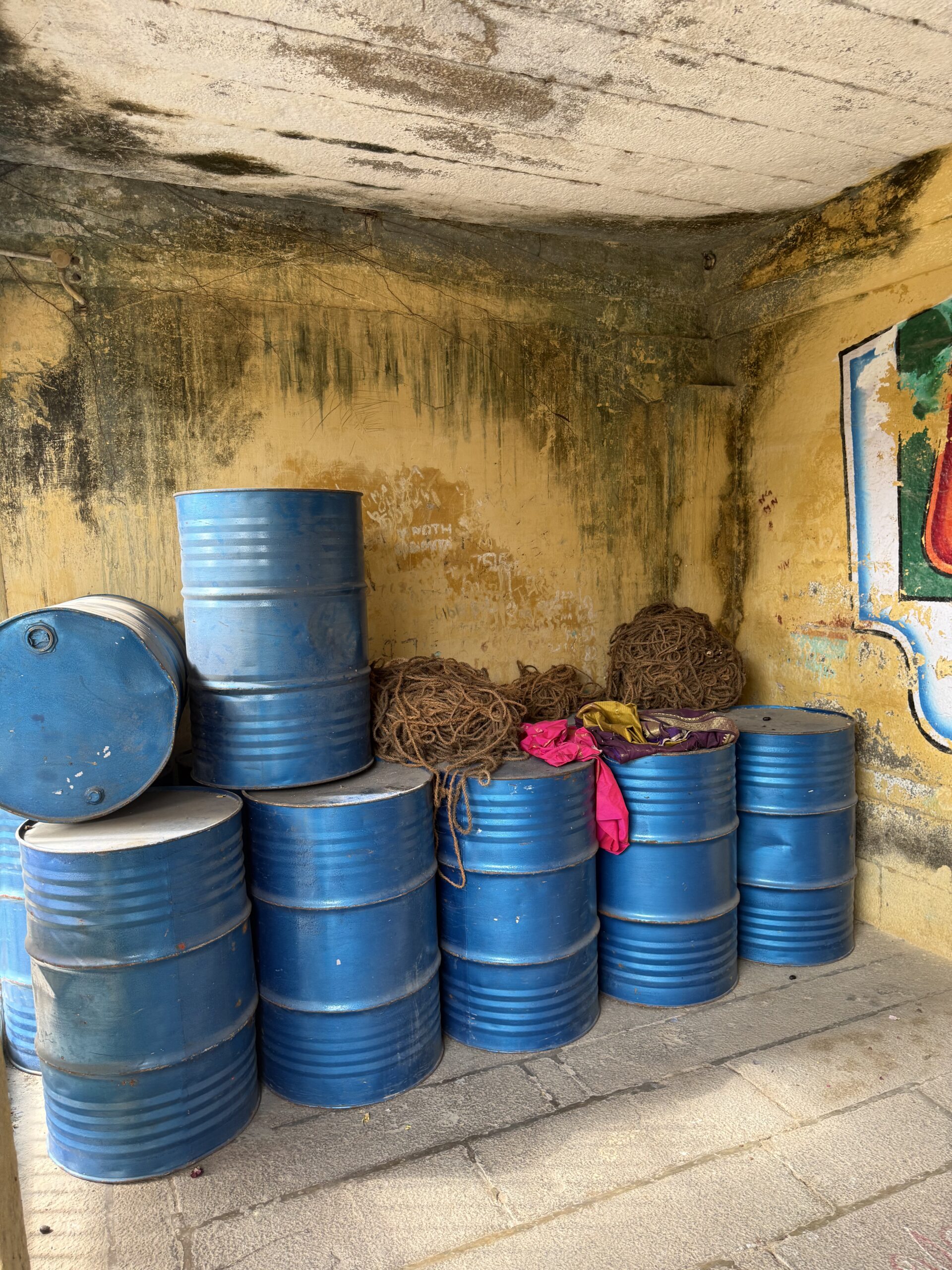
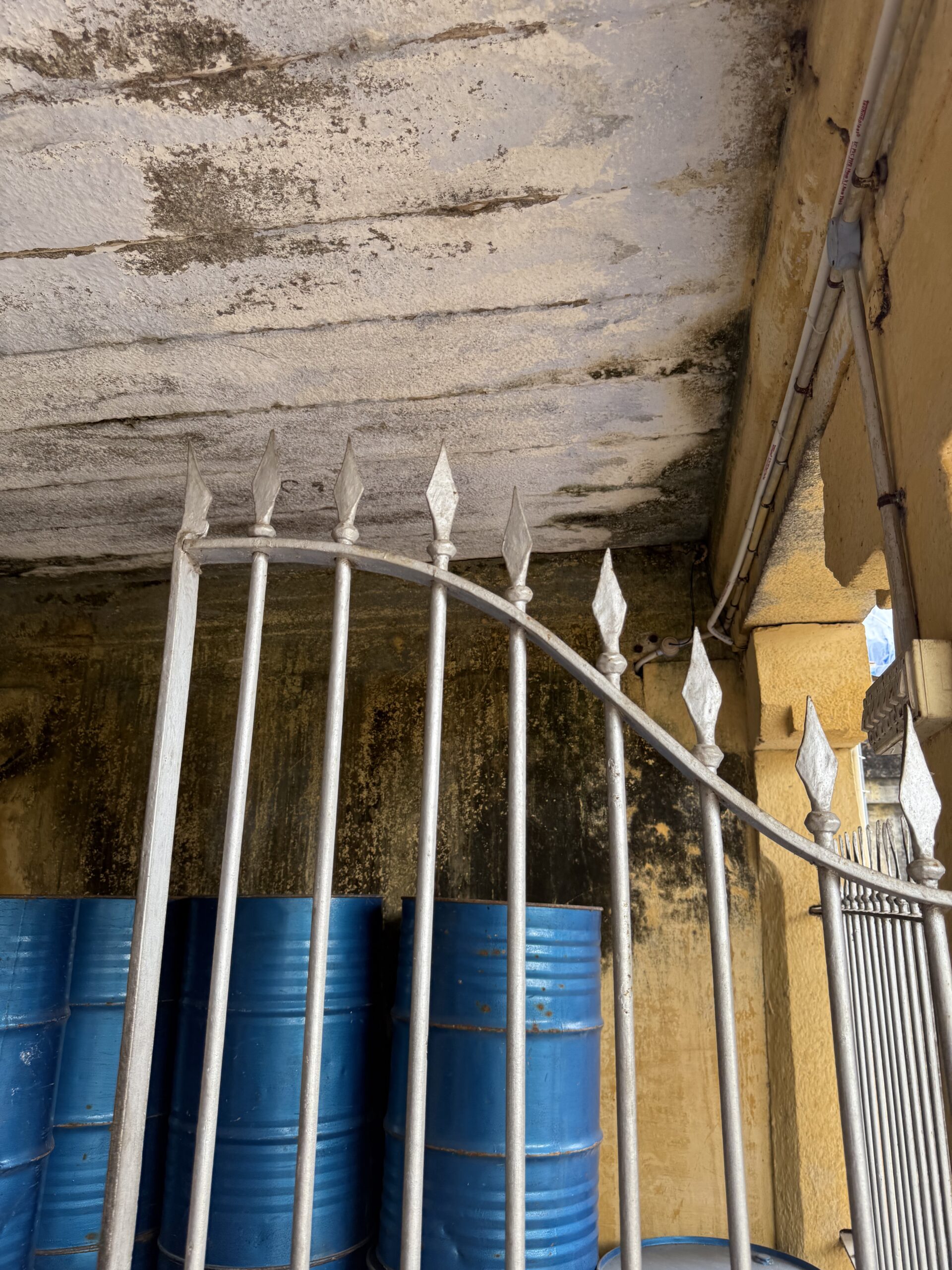
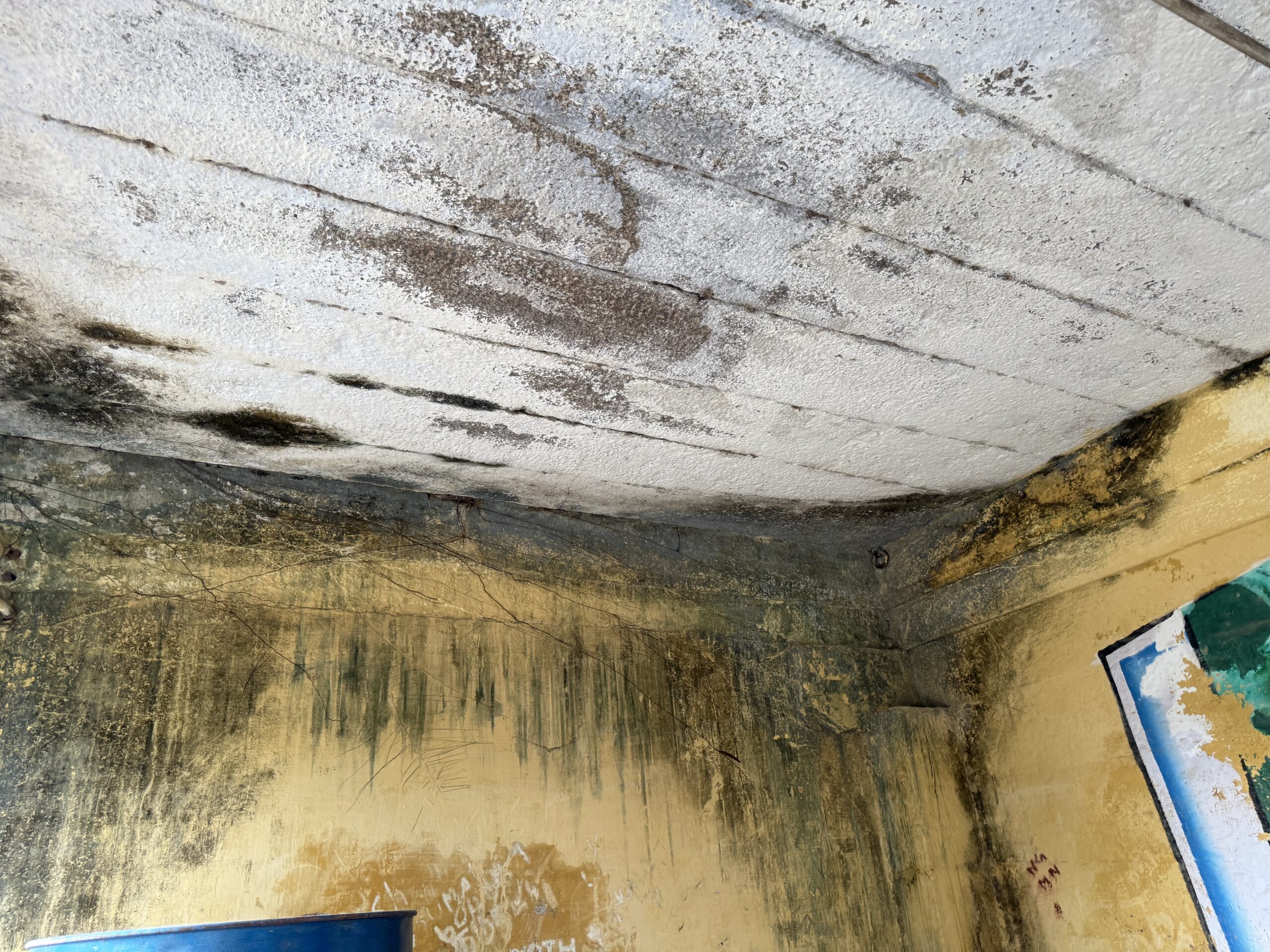
- Existing terrace water proofing is damaged in all buildings. This needs removal of the existing damaged weathering course. New weathering course to be carried out using brick jelly lime concrete and terracotta tile flooring with water proofing treatment as necessary
- Metal grille works as required for each Sannidhi
Saṅka Puṣkaraṇi
- Theppakulam platform construction with steps for seating, granite flooring in between temple and Theppakulam and its associatd works
Estimated Costs